Sea Level Monitoring
TSU/MAB Coastal Hazards Project
UNESCO-IOC Expert Meeting in Vanuatu on Tsunami Sources, Hazards, Risk and Uncertainties Associated with the Subduction Zones of the Region
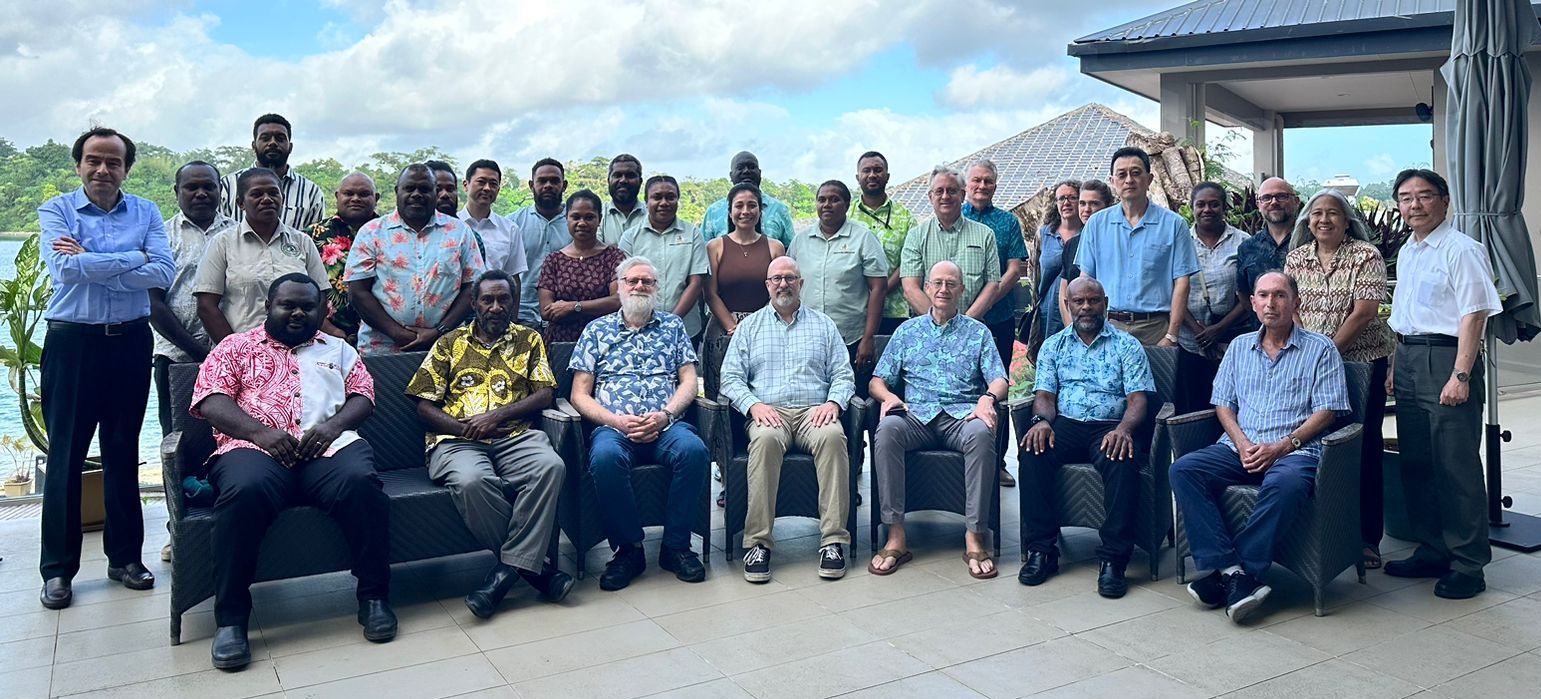
A hybrid UNESCO-IOC Expert Meeting on Tsunami Sources, Hazards, Risk and Uncertainties Associated with Vanuatu, San Cristobal and New Britain Subduction Zones took place in Port Vila, Vanuatu during 14-17 May 2024 in close coordination with the Vanuatu Meteorology and Geo-Hazard Department (VMGD), bringing together 23 experts (14 in-person/9 virtual) and 7 observers (6 in-person/1 virtual) from 10 Intergovernmental Coordination Group for the Pacific Tsunami Warning and Mitigation System (ICG/PTWS) Member States (Australia, France, Fiji, Japan, Indonesia, New Zealand, Papua New Guinea, Solomon Islands, USA and Vanuatu). The purpose of this Expert Meeting was to quantify earthquake sources that can generate dangerous tsunamis and to directly support community hazard assessments and evacuation planning that are part of the implementation of the Tsunami Ready Recognition Programme in the Pacific Islands Countries and Territories (PICTs).
During the meeting, experts reviewed the seismotectonics and historical earthquakes of the region, publicly available tectonic and source models such as compiled in Global Earthquake Model (GEM), evidence of historical tsunamis derived from paleotsunami studies and determined the source parameters of the maximum credible earthquakes in the region as an input to tsunami modelling. Additionally, a brief overview of the non-seismic sources, primarily focusing on volcanic sources, was also made with a view towards possible future Experts Meeting focusing on this aspect.
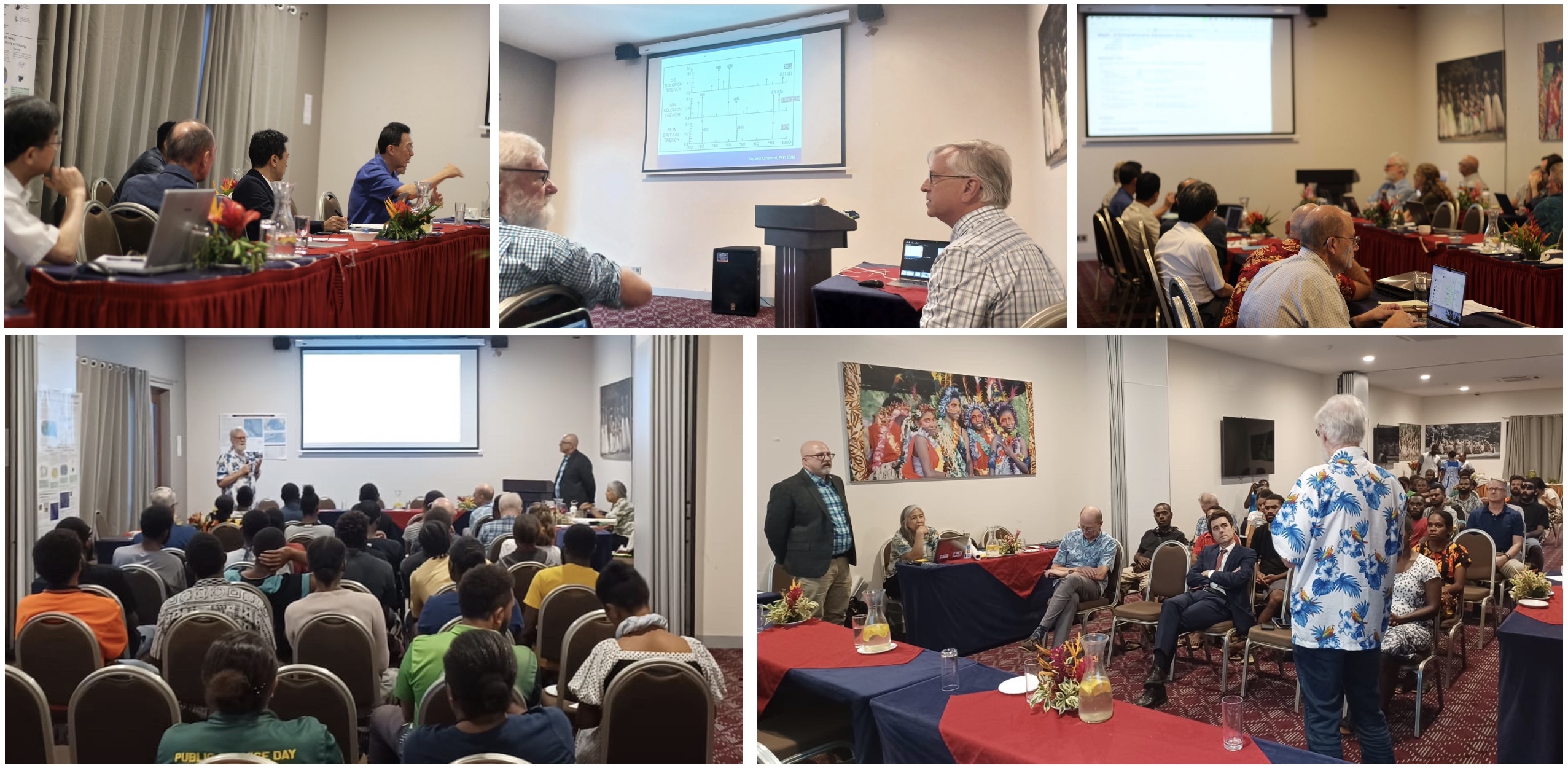
The Expert Meeting also provided an opportunity to hold a meeting focusing on the UNESCO/IOCs Tsunami Ready Recognition Programme (13-14 May 2024) and introduced the progress made in the Science Monitoring And Reliable Telecommunications (SMART) Subsea Cables initiative in the region (17 May 2024 afternoon), namely to share and review science status and progress pertaining to the Vanuatu-New Caledonia region and relevant to the SMART TAMTAM cable system, connecting scientists with the subsea telecom industry and government representatives to create local synergies to make sure the end user will be able to have free and open SMART actionable data when the SMART TAMTAM Cable System is first turned after its expected deployment late 2025/early 2026. Around 30 students of the newly established National University of Vanuatu have also participated in the SMART dedicated part of the meeting, providing them with a unique opportunity to interact with the experts.
About the Tsunami Programme
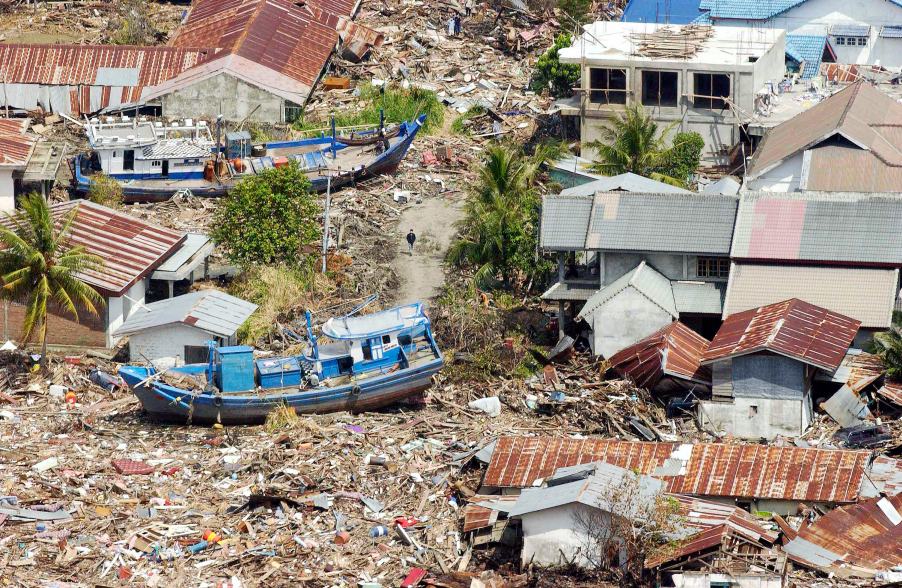
The Indonesian coast, between Banda Aceh and Meulaboh, after the earthquake and the tsunami of 26 December 2004. Photo by Evan Schneider © UN Photo
UNESCO supports Member States in improving capabilities for tsunami risk assessment, implementing early warning systems and enhancing preparedness of communities at risk. UNESCO works closely with national institutions and promotes inter-institutional and regional cooperation. Specialized regional centers provide tsunami information that, together with national analysis, is the basis of the warnings issued for the public. In addition, UNESCO promotes community-based approaches in the development of response plans and awareness campaigns which strongly involve education institutions and end-users.
Upcoming Events
7 August 2024
19 August 2024
19 - 30 August 2024
Chile