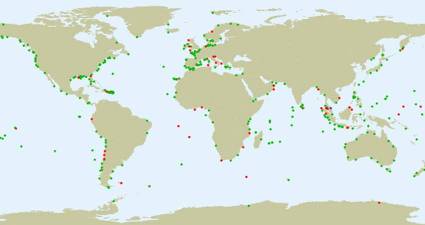
Sea Level Monitoring
TSU/MAB Coastal Hazards Project
ICG/IOTWS Working Group 3: Tsunami Awareness and Response
Terms-of-Reference
1. Promote good practice in capacity building for community resilience through preparedness and response activities.
2. Encourage mainstreaming of tsunami risk assessment, warning and mitigation systems into national development policy, plans, practice and legislation.
3. Encourage the integration of national tsunami programmes into the defined national platforms for disaster risk reduction and national disaster management.
4. Develop, enhance and encourage the adoption of tsunami-related guidelines, manuals and tools for downstream activities e.g. public information, education, training, communication processes, evacuation planning and drills, standard operating procedures and emergency management.
5. Assess national capacity and capability in tsunami awareness and response.
6. Liaise with other working groups within the ICG/IOTWS, and with working groups from the other ocean basins through TOWS WG, to coordinate tsunami awareness and response.
7. Under the direction of the Steering Group, carry out assessments of the IOTWS performance after each exercise and real tsunami event. Encourage and assist national assessments following real events.
The Group will be composed of members nominated by Member States, with inivted observes, with a chairperson and vice-chairperson to be elected.
About the Tsunami Programme
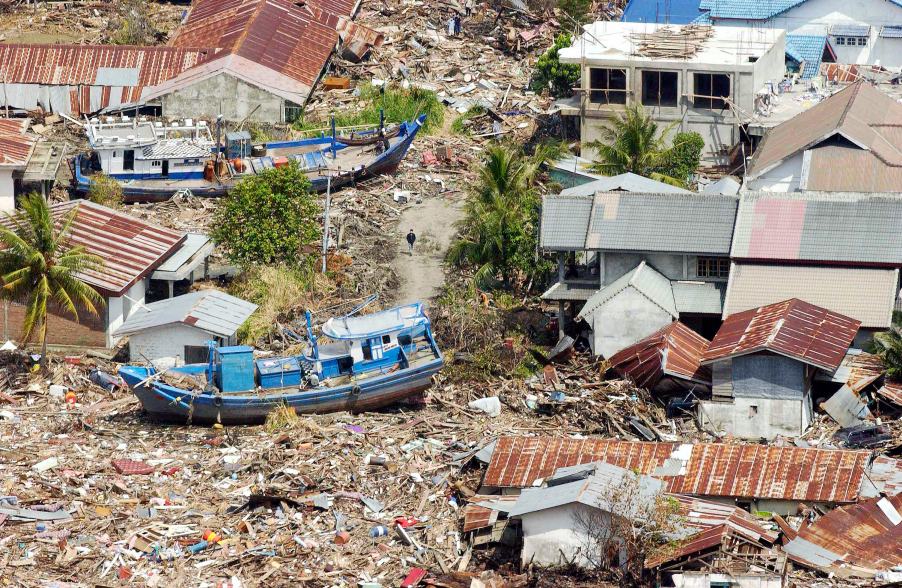
The Indonesian coast, between Banda Aceh and Meulaboh, after the earthquake and the tsunami of 26 December 2004. Photo by Evan Schneider © UN Photo
UNESCO supports Member States in improving capabilities for tsunami risk assessment, implementing early warning systems and enhancing preparedness of communities at risk. UNESCO works closely with national institutions and promotes inter-institutional and regional cooperation. Specialized regional centers provide tsunami information that, together with national analysis, is the basis of the warnings issued for the public. In addition, UNESCO promotes community-based approaches in the development of response plans and awareness campaigns which strongly involve education institutions and end-users.
Upcoming Events
7 August 2024
19 August 2024
19 - 30 August 2024
Chile