Sea Level Monitoring
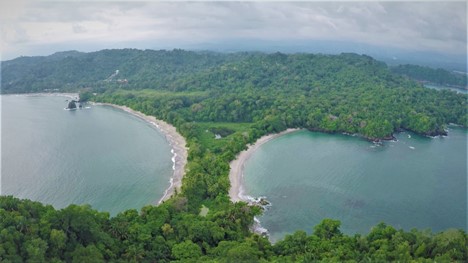
TSU/MAB Coastal Hazards Project
Summary Statement from the International Symposium on Lessons Learnt from the 2018 Tsunamis in Palu and Sunda Strait
Indonesia was hit by two destructive tsunamis in late 2018, which challenged traditional understanding of tsunami hazard, warning and response mechanisms. The first event was the Palu and Donggala tsunami of 28 September 2018, following the 7.5 magnitude earthquake in Central Sulawesi, that killed about 1,252 people. The second was the Sunda Strait tsunami of 22 December 2018, following an eruption and partial flank collapse of the Anak Krakatau volcano, that killed about 437 people.
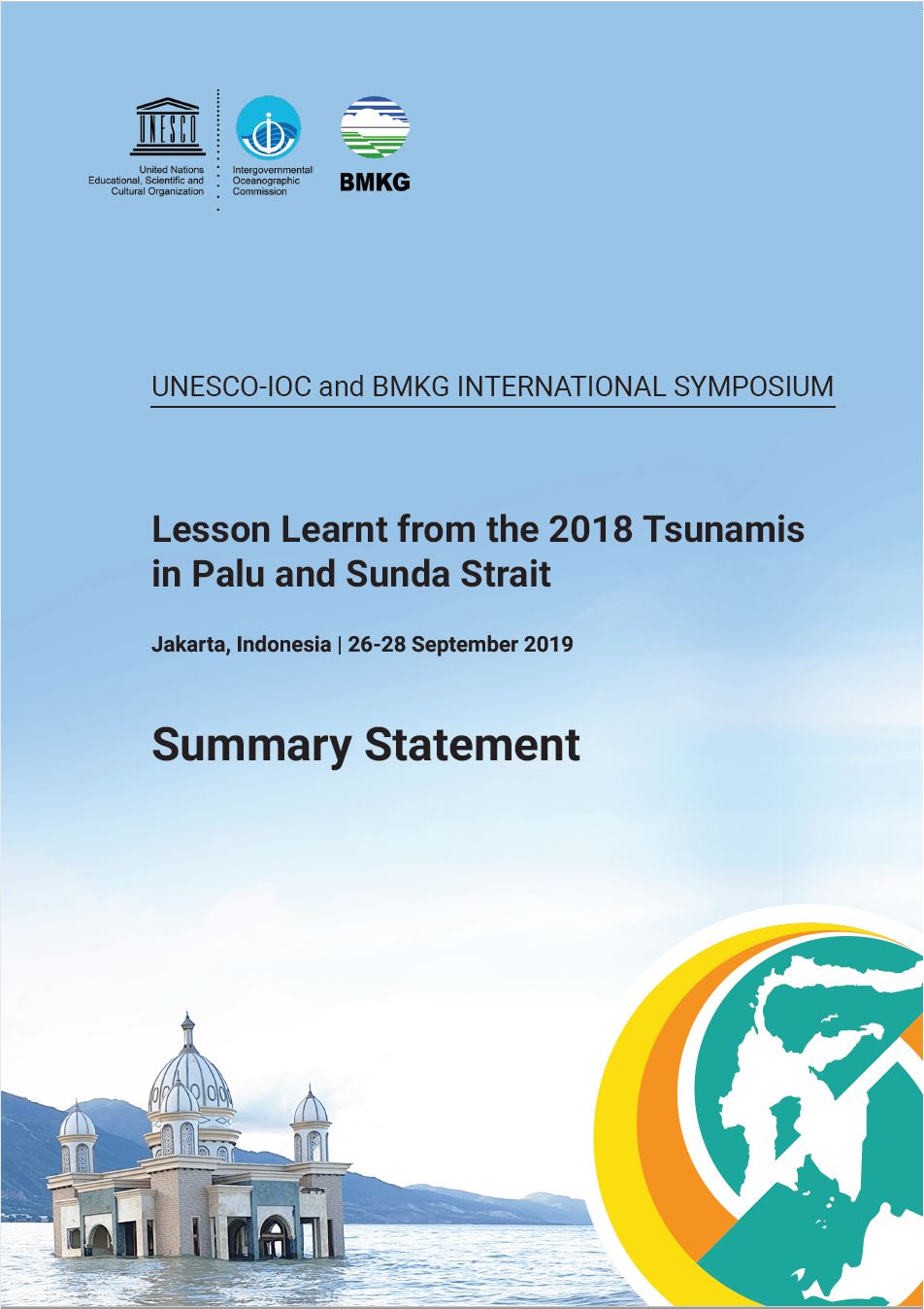 In commemoration of the one year anniversary of the Palu and Donggala tsunami, UNESCO’s Intergovernmental Oceanographic Commission (IOC) in collaboration with the Government of Indonesia through its Coordinating Ministry for Maritime Affairs (CMMA) and Agency for Meteorology, Climatology, and Geophysics (BMKG) organised an International Symposium on ”Lessons Learnt from the 2018 Tsunamis in Palu and Sunda Strait” at BMKG, Jakarta, Indonesia during 26-28 September 2019.
The Symposium highlighted that tsunami warning systems are always faced with the dilemma of time versus uncertainty. It is important to assess the possibilities and limitations of scientific knowledge and technology vis-à-vis the information needs of disaster managers, and make continuous improvements in both technical and social components of tsunami early warning systems.
To view the Summary Statement from the Symposium, please click on the image.