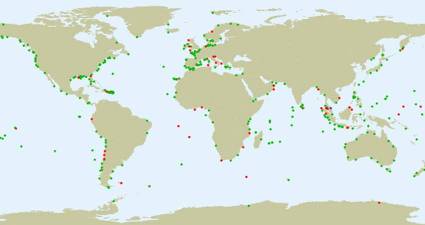
Sea Level Monitoring
TSU/MAB Coastal Hazards Project
FOR ARCHIVE - Caribe EWS - Task Team Future Goals and Performance Indicators
Chair: Mary Rengifo (Colombia, 2019-)
Vice-Chair: Wagner Rivera (Dominican Republic, 2019-)
|
Terms of Reference 1. Review and analyze the ICG/PTWS Framework Future Goals and Performance Monitoring of Tsunami Risk Reduction, Hazard Warning, and Mitigation, with a view to harmonize ICG/CARIBE-EWS structures with ICG/PTWS over the next two inter-sessional periods 2. Create a document that identifies quantitative performance and health indicators of an efficient system, in consideration of the situation of the Caribbean and adjacent regions 3. Align efforts with the ICG/CARIBE-EWS Implementation Plan (2018-2023) adopted through Recommendation ICG/CARIBE-EWS-XIII.8 4. Gather examples of specific indicators to establish the CARIBE-EWS indicators, and to find and recommend the methodology to collect the information needed to measure the indicators; considering the differences between the countries in the region using more specific and targeted questions 5. Present a progress report including the revised Implementation Plan (2018-2023) at the next session (ICG/CARIBE-EWS-XV) 6. The Chair and Vice-chair of the Task Team will work with the PTWS Task Team on Future Goals and Performance Monitoring to develop and bring the recommendations to TOWS-WG regarding the measurement of the performance indicators, health and efficiency to be considered by the Global Tsunami System in order to submit the recommendations to TOWS-WG in 2021. |
|
Membership: 1. Alison Brome, CTIC (Ex-Officio) 2. Bernardo Aliaga, CARIBE EWS Technical Secretary, UNESCO-IOC (Ex-Officio) |
About the Tsunami Programme
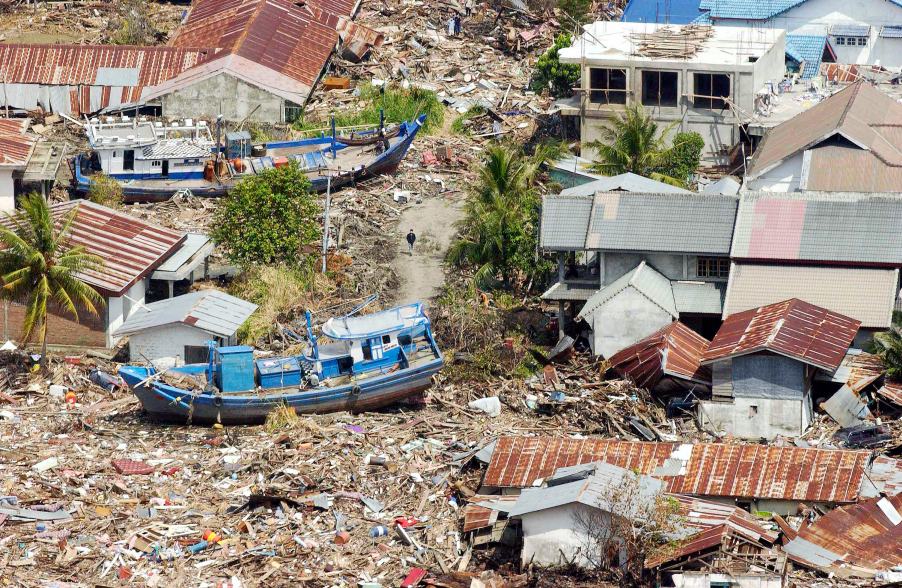
The Indonesian coast, between Banda Aceh and Meulaboh, after the earthquake and the tsunami of 26 December 2004. Photo by Evan Schneider © UN Photo
UNESCO supports Member States in improving capabilities for tsunami risk assessment, implementing early warning systems and enhancing preparedness of communities at risk. UNESCO works closely with national institutions and promotes inter-institutional and regional cooperation. Specialized regional centers provide tsunami information that, together with national analysis, is the basis of the warnings issued for the public. In addition, UNESCO promotes community-based approaches in the development of response plans and awareness campaigns which strongly involve education institutions and end-users.
Upcoming Events
7 August 2024
19 August 2024
19 - 30 August 2024
Chile