Sea Level Monitoring
TSU/MAB Coastal Hazards Project
The 10-Year Research, Development and Implementation Plan for the Ocean Decade Tsunami Programme High on the Agenda at the ICG/NEAMTWS Steering Committee
The Intergovernmental Coordination Group for the Tsunami Early Warning and Mitigation System in the North-Eastern Atlantic, the Mediterranean and Connected Seas (ICG/NEAMTWS) held its Steering Committee meeting online on the 8 and 11 April 2022. Key issues discussed included the progress in implementation of the joint IOC-UNESCO European Union Directorate-General for European Civil Protection and Humanitarian Aid Operations (DG ECHO), CoastWAVE Project, the ongoing work on sea-level related risk perception survey, the 10-Year Research, Development and Implementation Plan for the Ocean Decade Tsunami Programme, new impetus to update the ICG/NEAMTWS Operational User Guide, as well as ongoing efforts to organize a side event at the African Conference on Priority Setting & Partnership Development for the UN Decade of Ocean Science for Sustainable Development, among others.
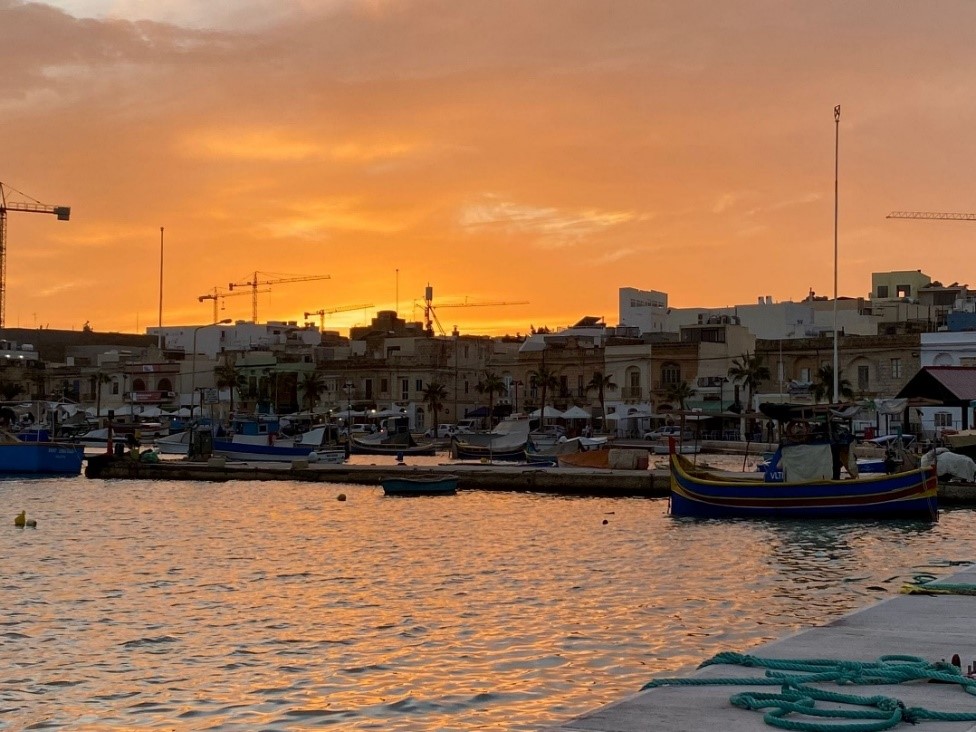
Marsaxlokk, Malta. One of the seven NEAM municipalities supported by the CoastWAVE Project.
Safe Ocean Lab – Satellite Activity: “100% of at-risk communities recognized Tsunami Ready”
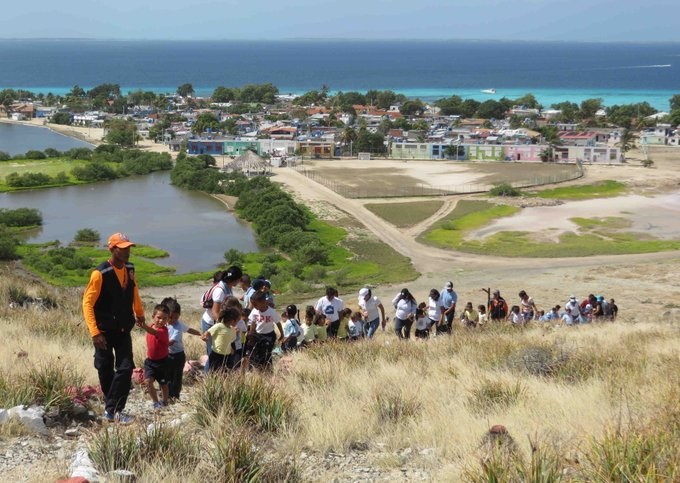
The ocean has tremendous power. It is capable of devastating coastal communities, ecosystems, and economies. The Safe Ocean Laboratory event addressed topics related to mitigation of and preparedness of communities to ocean hazards such as tsunamis, and the opportunity presented by the IOC Tsunami Ready programme.
A webinar showcasing Tsunami Ready communities across the globe, highlighting unique experiences of different community participants, and discussing challenges and opportunities of the journey was organized by the Tsunami Unit of UNESCO/IOC on 7 April 2022. The event contributed to the UN Ocean Decade Safe Ocean Laboratory as a satellite activity.
Tsunami Ready is a community performance-based programme based on a set of indicators, that facilitates tsunami preparedness as an active collaboration of the public, community leaders, local and national emergency management agencies. The programme includes identification of the local tsunami hazards, community evacuation based on natural and official warnings, and the development of standard operation procedures for tsunami response across all levels.
Since 2015, UNESCO/IOC in association with Member States, community stakeholders and partners has developed and worked to build up its Tsunami Ready programme, based on the U.S. experience. The first pilot communities were implemented in the Caribbean region. The programme has since gradually grown into a global programme, with 28 communities currently recognized as Tsunami Ready.
Further Challenges for Warnings of Tsunamis – A Satellite Activity for the UN Ocean Decade Safe Ocean Laboratory
Tsunamis are one of the most deadly and difficult natural hazards to warn for and to respond to. In addition to the most typical types of tsunamis generated by undersea earthquakes along subduction zones, there are what we term “non-seismic tsunamis” and “complex tsunamis”. These may be generated by landslides and submarine landslides generated by volcanic eruptions or earthquakes not necessarily associated with subduction zones.
A webinar addressing the challenges for warnings of non-seismic and complex tsunamis was organized by the UNESCO/IOC Secretariat for the Intergovernmental Coordination Group for the Indian Ocean Tsunami Warning and Mitigation System (ICG/IOTWMS) and Indian Ocean Tsunami Information Center (IOTIC) during 6-7 April 2022. The event contributed to the UN Ocean Decade Safe Ocean Laboratory as a satellite activity.
The webinar explored the current knowledge of non-seismic and complex tsunamis, the ability to monitor their generation and warn for their likely impacts to save lives, and pathways for improving future warnings. Session A, which focused on learning from recent tsunamis generated by non-seismic and complex sources, was attended by 207 participants from 43 countries. Session B, which focused on knowledge and gaps to warn for such tsunami events, was attended by 166 participants from 46 countries.
Videos of both sessions are available to view here.
Over 400.000 people test tsunami warning and preparedness protocols in the Caribbean
Over 400,000 citizens, experts and government officials took part on March 11th, 2022, in a tsunami response exercise across 32 Caribbean countries and 16 territories. The exercise sought to evaluate national and local tsunami response plans, increase tsunami preparedness, and improve coordination throughout the region. This exercise included two simulated scenarios of an earthquake occurrence in the Western Muertos Trough, South of Dominican Republic and Panama. Titled CARIBE WAVE 22, the exercise simulated a widespread Tsunami Threat situation throughout the Caribbean, which required implementation of national and local tsunami response plans.
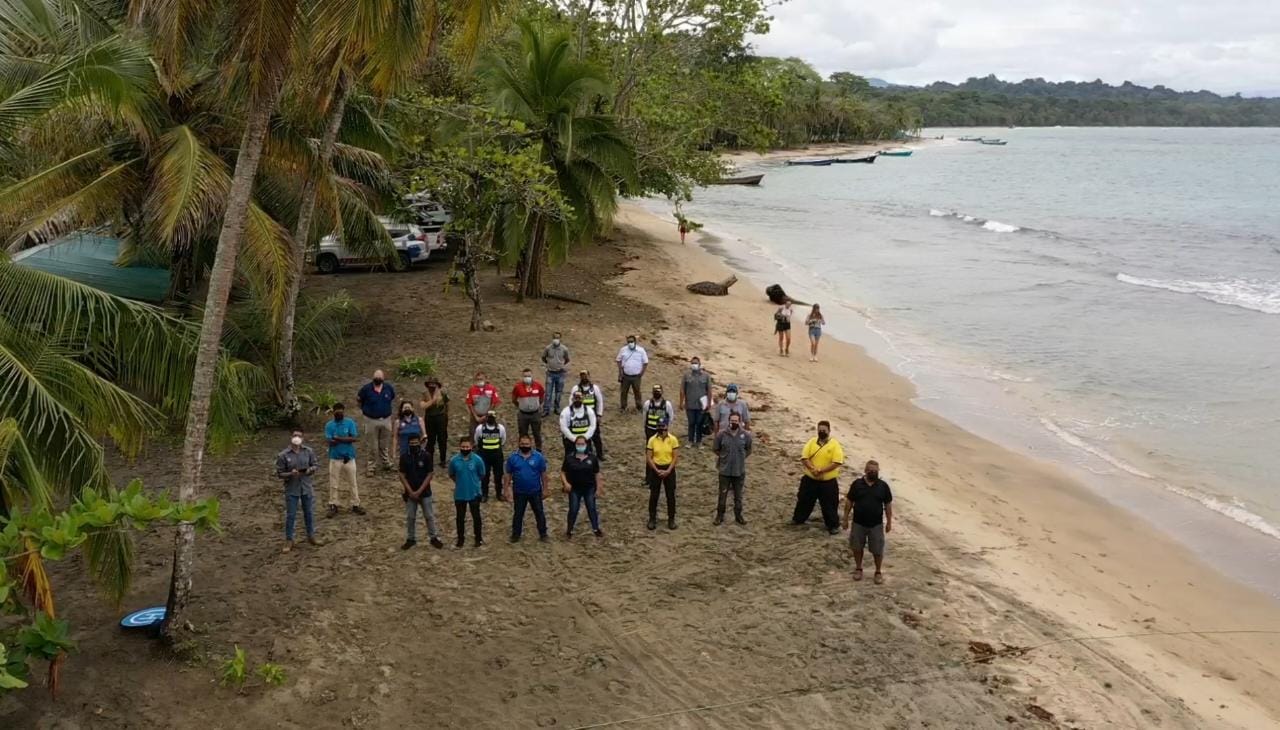
The exercise included public notification through sirens, emails, emergency alert systems, text messages, media outlets, radio, and social media. The total number of registered participants reached a historical record for CARIBE WAVE exercises at 406,069 people mobilized across the region, as recorded by the TsunamiZone platform. In addition to the communication tests, in different countries and communities the exercise took various forms including seminars, table top exercises, video/web conferencing, drills and rehearsals.
CoastWAVE Project Kick Off Workshop
The IOC UNESCO organized an online project kick-off workshop on ‘Strengthening the Resilience of Coastal Communities in the North-East Atlantic, Mediterranean Region to the Impact of Tsunamis and Other Sea Level-Related Coastal Hazard on 17 and 20 December 2021. The 2.5-year project is financially supported by the European Union Directorate-General for European Civil Protection and Humanitarian Aid Operations (DG ECHO).
 The project aims to improve understanding of tsunami and sea-level related risks, develop better communication strategies, enhance real-time detection and monitoring capacities, improve alert and warning capacity. The project aims to implement at least seven Tsunami Ready recognized communities by 2023 in the seven selected countries: Cyprus, Egypt, Greece, Malta, Morocco, Spain and Turkey. Dr Denis Chang Seng, Programme Specialist, and Technical Secretary of IOC ICG/NEAMTWS highlighted that the key objectives of the workshop were to officially launch the new project, introduce country project partners and technical support countries, and establish a better understanding of the national and local context. The project is now named ‘CoastWAVE Project’. Mr Bernardo Aliaga, Head of Tsunami Unit (a.i) expressed his gratitude for the renewal of fruitful cooperation between IOC UNESCO and the EU ECHO in the Mediterranean region concerning tsunami early warning and mitigation system. Dr Vladimir Ryabinin, the Executive Secretary of IOC in his opening remarks thanked EU DG ECHO and the Joint Research Centre (JRC) for strong cooperation and collaboration with IOC UNESCO. He said the project is timely and fits the development of the Tsunami Programme. The Decade of Ocean Science for Sustainable Development provides an opportunity to co-design and work with the tsunami community in the Mediterranean region. Mr Peter Billing, EU DG ECHO underlined the excellent long-standing cooperation with UNESCO. The new project aligns with the new ECHO approach on Disaster Risk Reduction on reinforcing local preparedness and education to reduce coastal hazard impacts. He stressed that it is an opportune time to take advantage of lessons learned and share experiences, as well as take benefit of the new IOC UNESCO Tsunami Ready Community programme, a tool to reinforce local preparedness and resilience. Dr Nikos Kalligeris, the Tsunami National Contact and project focal point of Greece, delivered an opening remark prepared by the ICG/NEAMTWS Chair Prof Maria Ana Baptista. The new project initiative is paramount to NEAMTWS, especially considering the rare, but high impact of tsunami events due to high population exposure and tourism activities in the Mediterranean region.
More Articles...
- Seventeenth Session of the ICG/NEAMTWS : Ten Tsunami Ready Recognized Communities by 2023 as a Contribution to Making 100% of Communities at Risk of Tsunami Prepared for and Resilient to Tsunamis
- Strengthening Tsunami Warning through Regional Collaboration in the North West Indian Ocean
- Indian Ocean Member States and Steering Group report on Progress, Challenges and Gaps in the lead-up to the 13th Session of the ICG/IOTWMS
- Indian Ocean Region Commemorates World Tsunami Awareness Day 2021
About the Tsunami Programme
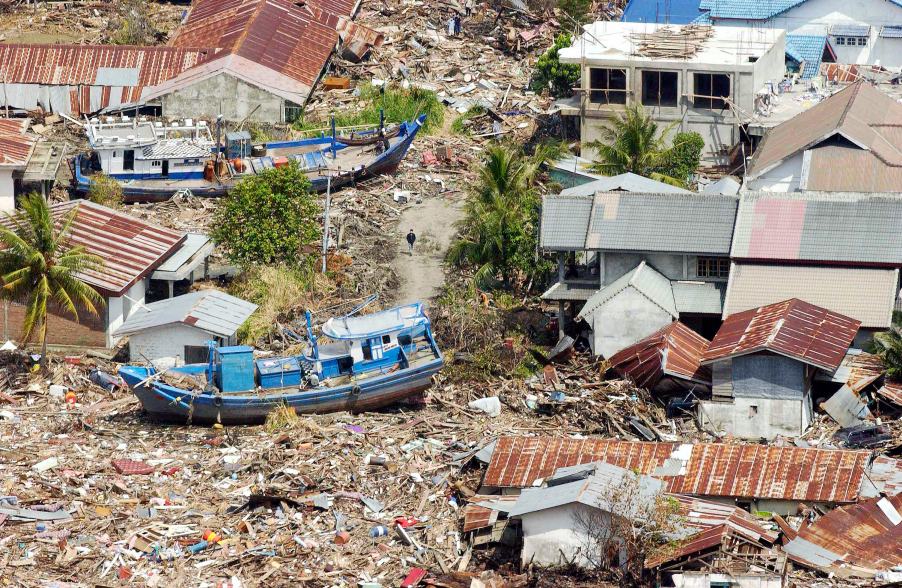
The Indonesian coast, between Banda Aceh and Meulaboh, after the earthquake and the tsunami of 26 December 2004. Photo by Evan Schneider © UN Photo
UNESCO supports Member States in improving capabilities for tsunami risk assessment, implementing early warning systems and enhancing preparedness of communities at risk. UNESCO works closely with national institutions and promotes inter-institutional and regional cooperation. Specialized regional centers provide tsunami information that, together with national analysis, is the basis of the warnings issued for the public. In addition, UNESCO promotes community-based approaches in the development of response plans and awareness campaigns which strongly involve education institutions and end-users.
Upcoming Events
7 August 2024
19 August 2024
19 - 30 August 2024
Chile