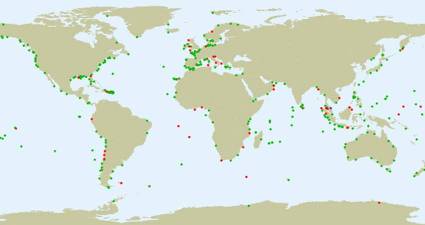
Sea Level Monitoring
TSU/MAB Coastal Hazards Project
FOR ARCHIVE - CARIBE EWS - WG3: Tsunami Related Services
Chair: Emilio Talavera, INETER (Nicaragua, 2018-)
Vice-Chair: Chip McCreery, (PTWC, USA, 2016-) - (Technology and communications platform for alerts)
Vice-Chair: Elizabeth Vanacore (PRSN, USA, 2018-) -(Protocols for end to end communication and dissemination of warnings)
|
Working Group Three: Tsunami Related Services Purpose: To examine current and developing capacities in each country of the region and advise the ICG about the definition and composition of early warnings and tsunami products and the methods and best practices for effective procedures for end to end communication and dissemination of early warnings and tsunami products. Functions: 1. Explore and document the capabilities for dissemination of existing guidance and alerts in the countries of the region. 2. Identify the difficulties and challenges existing in the region for effective “end to end” communication and dissemination of early warnings. 3. Establish strategies for the development and implementation of methods and technologies to strengthen the interaction with the media and dissemination of early warnings in the countries of the region. 4. Evaluate communication tests and tsunami exercises, in order to identify weaknesses and make recommendations to help strengthen these delivery systems. 5. Create communication protocol and standardized information identifying the minimum acceptable levels for communication and dissemination of tsunami early warning in all countries for approval by the IGC. 6. Provide feedback to the Pacific Tsunami Warning Center (PTWC), as the CARIBE-EWS TSP, to help make its tsunami products for the CARIBE-EWS more understandable, actionable, and otherwise effective. 7. Serve as a reviewing and approving body for proposed changes to PTWC products for the CARIBE-EWS, or determine that the proposed changes warrant going to the ICG for review and approval. The membership shall include 1 Representative from the Tsunami Service Provider (Pacific Tsunami Warning Center) and 1 Representative from WMO/RA IV-Hurricane Committee to facilitate coordination of the common issues such as building a regional EWS, preparing for coastal inundation, and use of the GTS and EMWIN |
|
Membership: 1. Jose Fra, Vice Ministerio de Gestion de Riesgo y Proteccion Civil, Venezuela 2. Max Reyal, METEOFRANCE, France 3. Jean Noel de Grace, METEOFRANCE, France 4. Gisela Baez, PRSN, Puerto Rico, USA 5. Charles McCreery, PTWC, US - (Pacific Tsunami Warning Center Representative) 6. Rosario Alfaro, UCAR, NWS, United States 7. Antonio Aguilar, Funvisis, Venezuela (Chair) 8. Eric Mackie, ODPM, Trinidad and Tobago 9. Shelly Bradshaw, ODPM, Trinidad and Tobago 10. Wagner Rivera, ONAMET, Dominican Republic 11. Edwin Olivares, COE, Dominican Republic 12. Albert Martis or Designee (WMO/RAIV Hurricane Committee Representative) 13. Wilder Alvarez Investigador DIMAR - SUBDEMAR, Colombia 14. S3 Sadit Lantandret Investigador DIMAR - ASIMPO, Colombia 15. Mr Renee Evelyn, Prime Minister’s Office, Barbados 16. Anthony Murillo, SINAMOT, Costa Rica 17. Emilio Talavera 18. Elizabeth Vanacore |
El programa sobre tsunamis
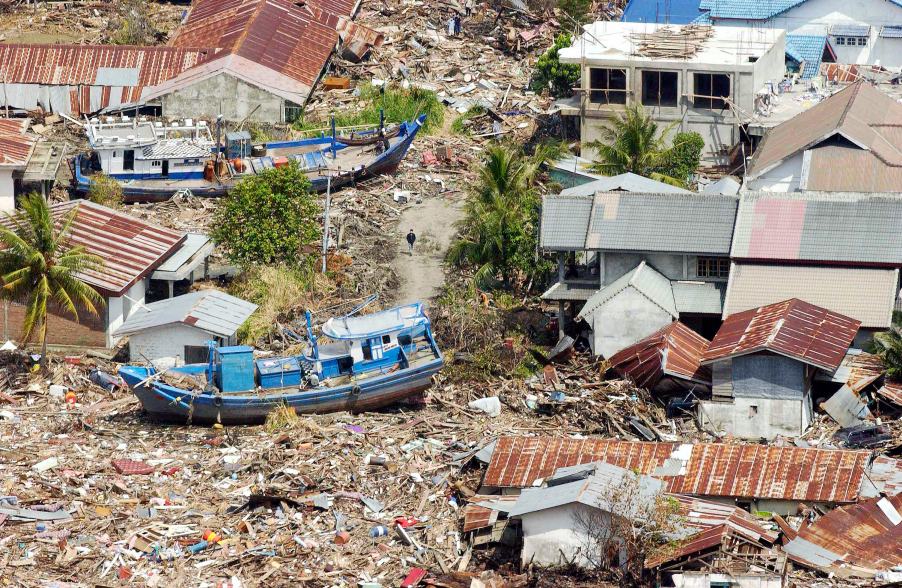
La costa de Indonesia, entre Banda Aceh y Meulaboh, tras el seísmo y tsunami del 26 de diciembre de 2004. Fotografía de Evan Schneider © Foto de Naciones Unidas
La UNESCO presta apoyo a los Estados Miembros con el fin de mejorar sus capacidades de evaluación de riesgos de tsunami, implantar sistemas de alerta temprana y mejorar la preparación de las comunidades amenazadas. La UNESCO colabora estrechamente con instituciones nacionales, y promueve la cooperación interinstitucional y regional. Los centros regionales especializados proporcionan información sobre los tsunamis que, conjuntamente con los análisis efectuados a nivel nacional, sirven para elaborar las alertas al público. Además, la UNESCO promueve metodologías comunitarias mediante el desarrollo de planes de respuesta y campañas de sensibilización, en las que participan en buena medida instituciones docentes y usuarios finales.
Upcoming Events
5 - 9 August 2024
Male
7 August 2024
19 August 2024
19 - 30 August 2024
Chile