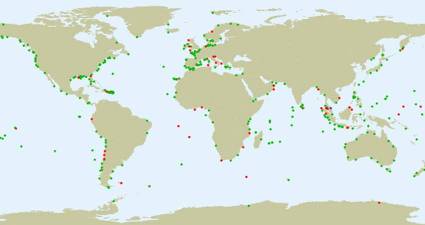
Sea Level Monitoring
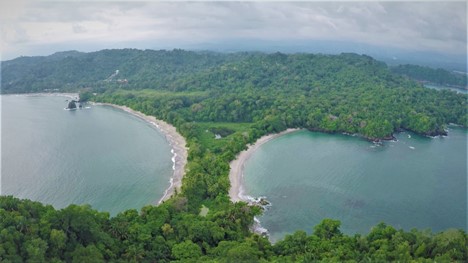
TSU/MAB Coastal Hazards Project
CARIBE WAVE 24 successfully conducted on 21 March 2024
The thirteenth annual Regional Tsunami Exercise of the UNESCO/IOC Intergovernmental Coordination Group for Tsunamis and Other Coastal Hazards for the Caribbean and Adjacent Regions (ICG/CARIBE-EWS), CARIBE WAVE 24, is conducted on the 21st of March 2024 at 1500 UTC to assist tsunami preparedness efforts throughout the Caribbean and adjacent regions. More than 700.000 people registered in the TsunamiZone.
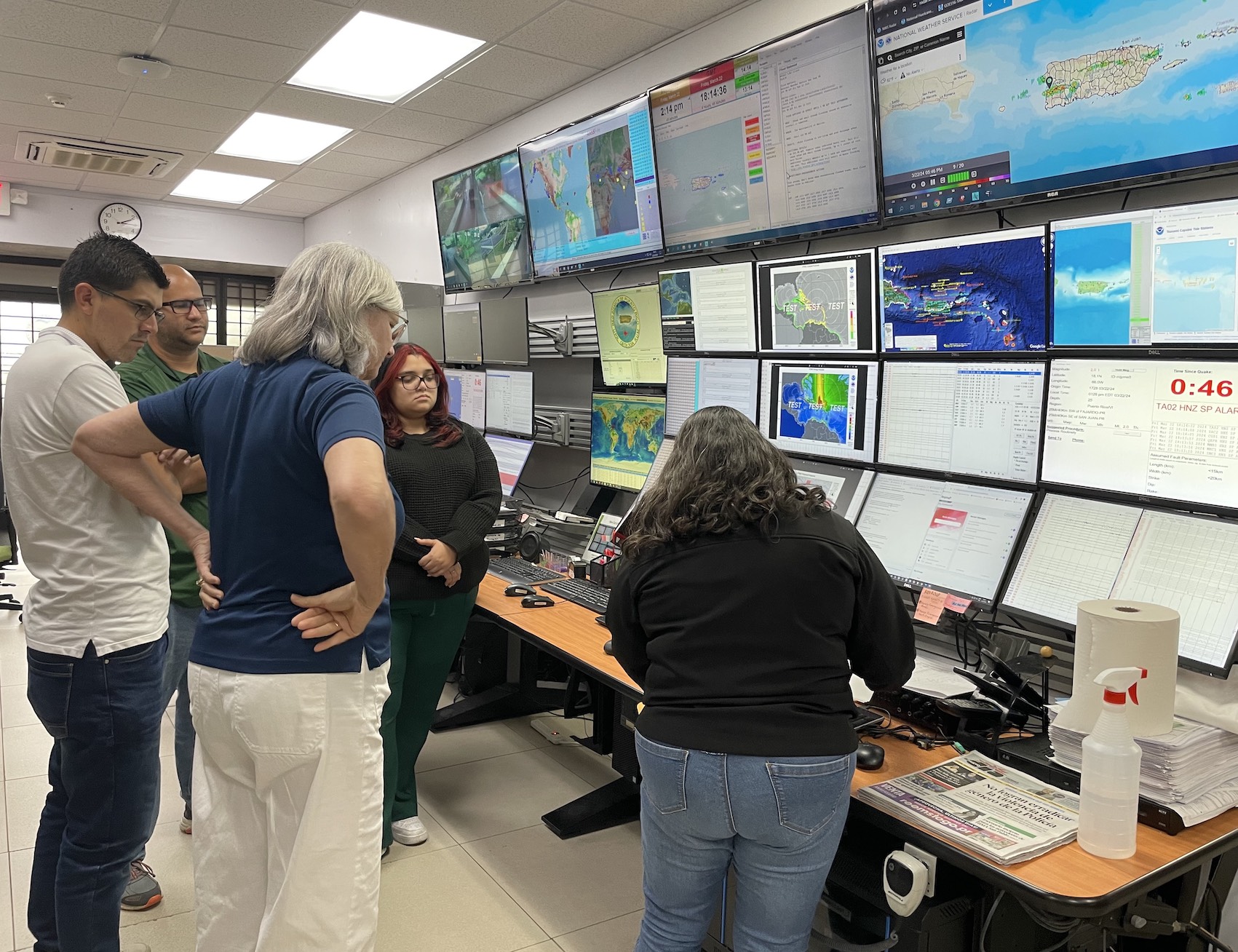
Christa von Hillebrandt-Andrade, Manager of the International Tsunami Information Center Caribbean Office (ITIC-CAR), discussing the PTWC tsunami products for the Puerto Rico Trench scenario with the analysts of the Puerto Rico Seismic Network (Credit: Kimberly Maisonet Gonzalez, ITIC-CAR contractor)
CARIBE WAVE Exercises strongly support the objectives of the Sendai Framework for Disaster Risk Reduction target (g) and Early Warnings for All initiative. CARIBE WAVE 24 was coordinated together with the U.S. National Oceanic and Atmospheric Administration (NOAA) and the Caribbean regional emergency management stakeholders CEPREDENAC (Coordination Centre for the Prevention of Natural Disasters in Central America), CDEMA (Caribbean Disaster Emergency Management Agency), and EMIZA (Etat-Major Interministériel de la Zone de Défense et de Sécurité Antilles) as well at the Central America Tsunami Advisory Center (CATAC) of Nicaragua with the purpose of assisting tsunami preparedness efforts in the Caribbean.
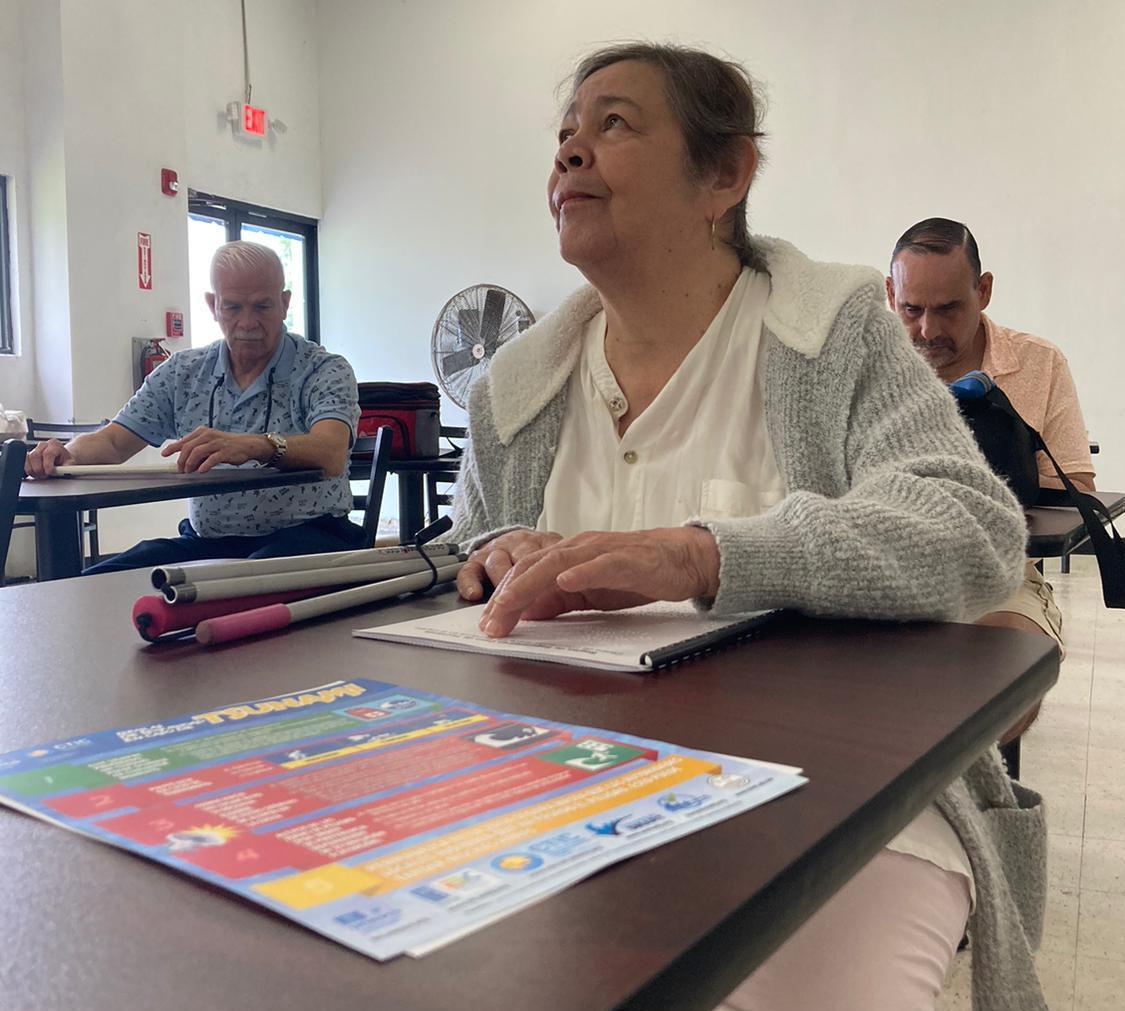
Ivette Lopez, sewing machine operator of Industries for the Blind Corporation in Cabo Rojo, Puerto Rico, a textile industry, whose majority of employees are with a visual impairment. As part of CARIBE WAVE 24 exercise, employees like Ms. Lopez were given an orientation on Tsunamis and received the Safety Rules flyer in Braille (credit: Glorymar Gomez Perez, Contractor of the International Tsunami Information Center Caribbean Office).
Further information related to CARIBE WAVE 24 can be found here.
Le programme relatif aux tsunamis – ce qu’il est
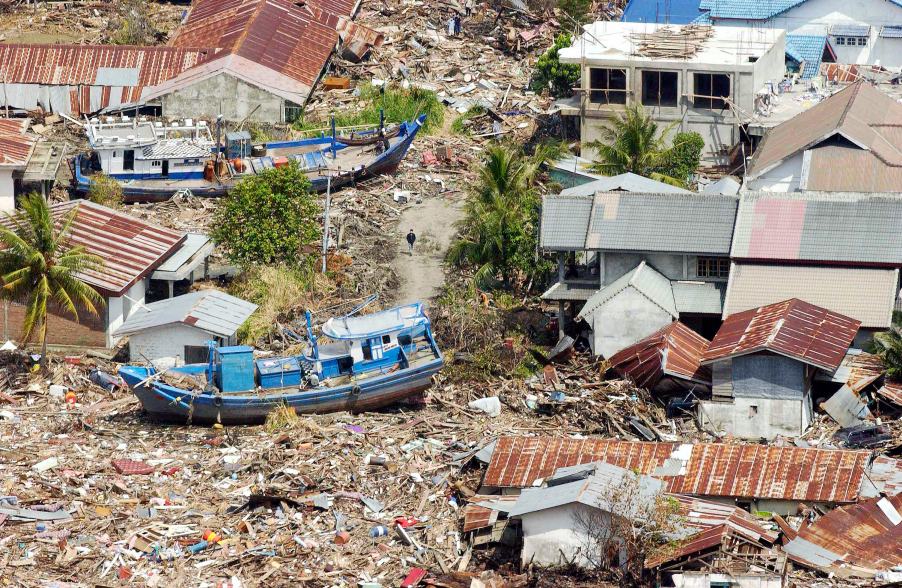
La côte indonésienne, entre Banda Aceh et Meulaboh, au lendemain du tremblement de terre et du tsunami du 26 décembre 2004. Photo Evan Schneider © UN Photo
L’UNESCO aide les États membres à renforcer leur capacité d’évaluation du risque de tsunami, à mettre en œuvre des systèmes d’alerte rapide aux tsunamis et à mieux préparer les populations exposées. Elle travaille étroitement avec les organismes nationaux et favorise la coopération
interorganismes et régionale. Des centres régionaux spécialisés fournissent une information relative aux tsunamis, laquelle, assortie d’une analyse nationale, constitue la base des alertes publiques. En outre, l’UNESCO encourage des démarches fondées sur les populations, à la base, par le biais de l’élaboration de plans d’intervention et de campagnes de sensibilisation qui impliquent fortement les établissements éducatifs et l’utilisateur final.
Upcoming Events
7 August 2024
19 August 2024
19 - 30 August 2024
Chile