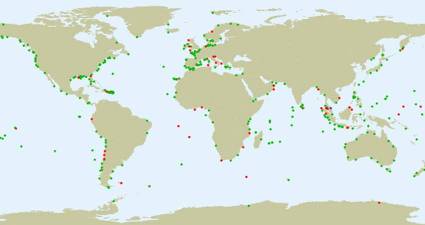
Sea Level Monitoring
TSU/MAB Coastal Hazards Project
The Pacific Tsunami and Warning System Steering Committee meets in Hawai‘i
The Steering Committee for the Pacific Tsunami and Warning System (PTWS) and its various working groups met in Honolulu, Hawaii, USA from 4th to 8th June to discuss progress of work assignments and activities since the 27th Session of the Intergovernmental Coordination Group (ICG) for PTWS held in Tahiti, French Polynesia in March 2017, and to plan for the next ICG Session in 2019.

The meetings were attended by the chairs and co-chairs of PTWS working groups and its task teams, as well as a number of national representatives including heads of tsunami warning centres and disaster management offices from the Republic of Fiji, Solomon Islands and Tonga,
The three PTWS technical working groups – WG 1 – Understanding Tsunami Risk, WG 2 – Tsunami Detection, Warning and Dissemination, and WG 3 – Disaster Management, Preparedness and Reduction, met on 4th and 5th June followed by a meeting of the Regional Working Group on Tsunami Warning and Mitigation in the Pacific Islands Countries & Territories (PICTs) on 6th June. Reports of these meetings along with reports received from other regional WGs and their task teams were presented to the PTWS Steering Committee that met on 7th and 8th June. The outcomes and reports of the meetings are available from the UNESCO - Intergovernmental Oceanographic Commission (IOC) website. It was very encouraging to see Pacific Island Countries and Territories (PICTs) very actively participating and contributing to PTWS programmes and activities, both at regional and Pacific levels.
(Note taken from the UNESCO Office for Pacific States Newsletter April-June 2018, contact: Ms Yi SHi Esta dirección de correo electrónico está siendo protegida contra los robots de spam. Necesita tener JavaScript habilitado para poder verlo. )
El programa sobre tsunamis
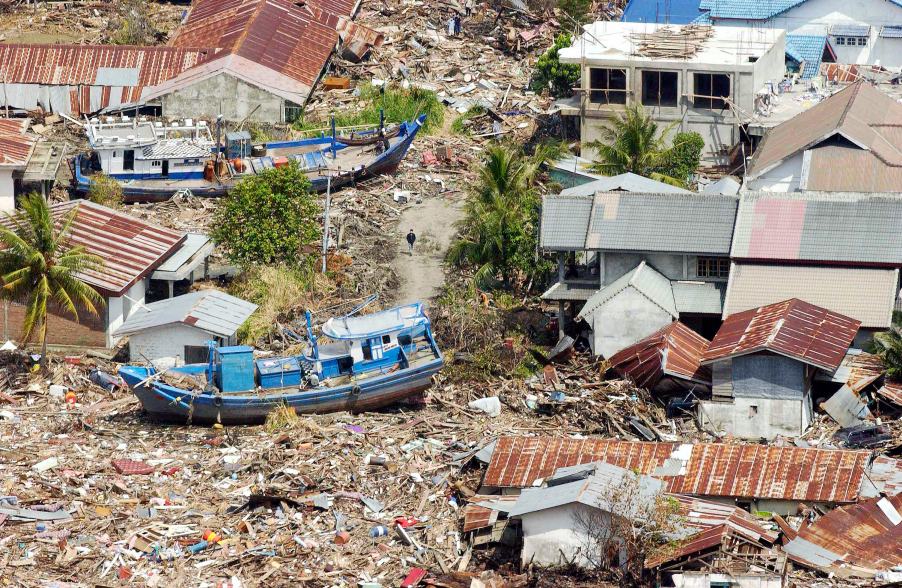
La costa de Indonesia, entre Banda Aceh y Meulaboh, tras el seísmo y tsunami del 26 de diciembre de 2004. Fotografía de Evan Schneider © Foto de Naciones Unidas
La UNESCO presta apoyo a los Estados Miembros con el fin de mejorar sus capacidades de evaluación de riesgos de tsunami, implantar sistemas de alerta temprana y mejorar la preparación de las comunidades amenazadas. La UNESCO colabora estrechamente con instituciones nacionales, y promueve la cooperación interinstitucional y regional. Los centros regionales especializados proporcionan información sobre los tsunamis que, conjuntamente con los análisis efectuados a nivel nacional, sirven para elaborar las alertas al público. Además, la UNESCO promueve metodologías comunitarias mediante el desarrollo de planes de respuesta y campañas de sensibilización, en las que participan en buena medida instituciones docentes y usuarios finales.
Upcoming Events
5 - 9 August 2024
Male
7 August 2024
19 August 2024
19 - 30 August 2024
Chile