Sea Level Monitoring
TSU/MAB Coastal Hazards Project
Workshops on Post-IOWave14 Exercise Assessment and Standard Operating Procedures for Tsunami Warning and Emergency Response for India Ocean Countries
ICG/IOTWMS regional training workshops on post-IOWave14 exercise assessment and standard operating procedures (SOPs) were held in Hyderabad, India, 6-10 November 2015, hosted by the Government of India through the Indian Centre for Ocean Information Services (INCOIS). The workshops were attended by twenty-five participants from ten countries, namely: India, Indonesia, Islamic Republic of Iran, Kenya, Malaysia, Maldives, Mauritius, Myanmar, Seychelles and Tanzania. The workshops were conducted by a team of seven trainers from Australia, India, Indonesia, the Indian Ocean Tsunami Information Center and IOC UNESCO.
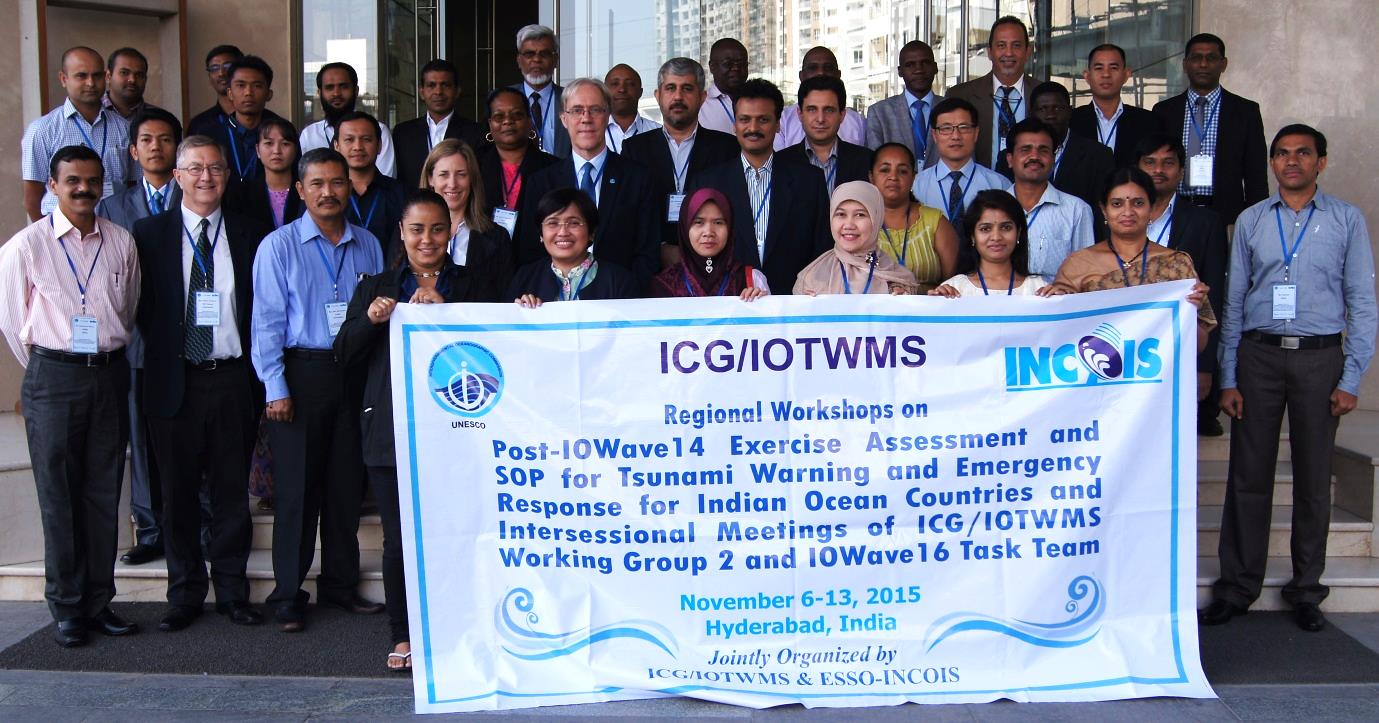
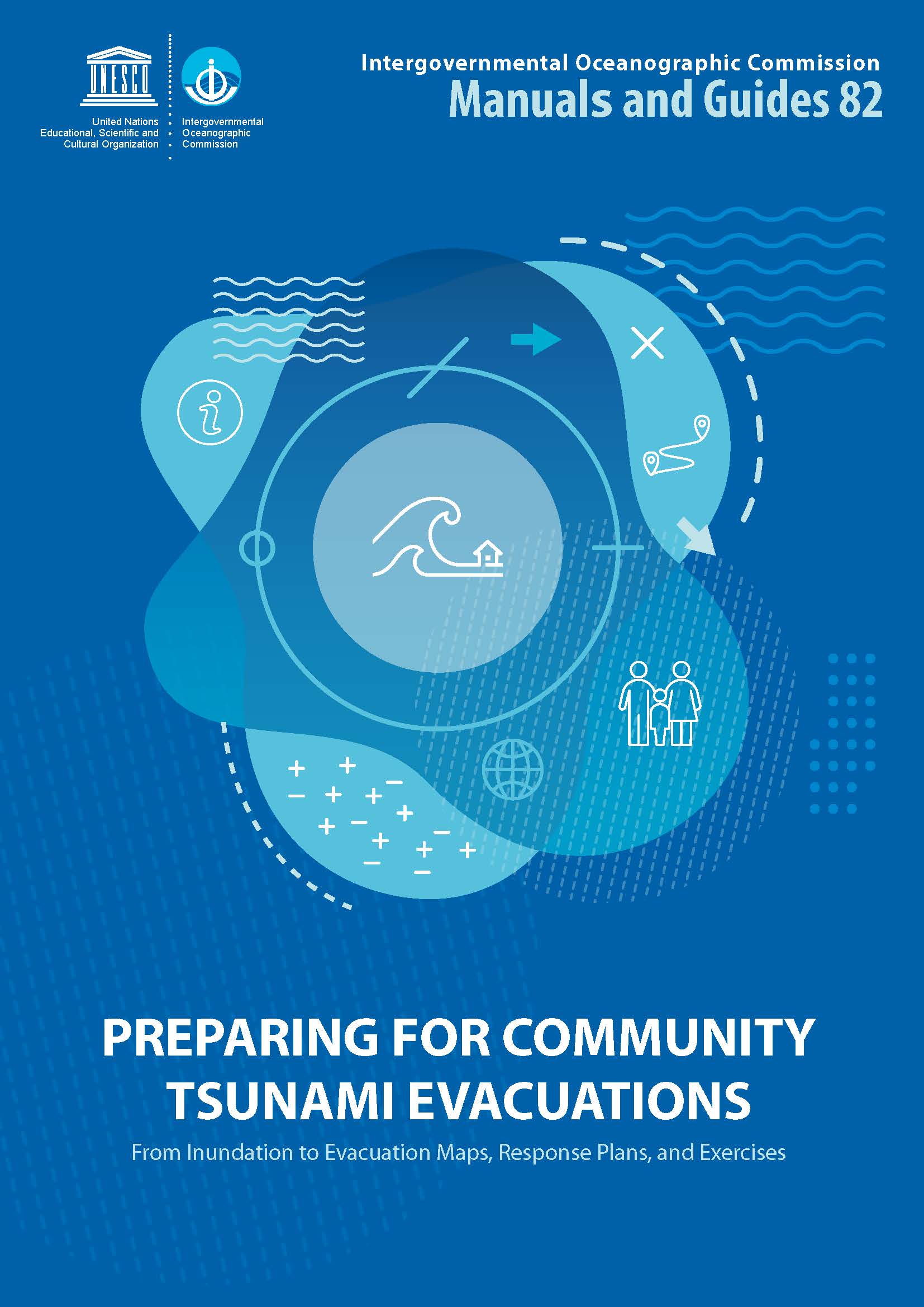
The workshops targeted Indian Ocean countries that intend to participate down to community level including public evacuations in the IOWave16 exercise, which is scheduled for September 2016. The main objective of the workshops was to develop and integrate SOPs between National Tsunami Warning Centres (NTWCs), National Disaster Management Organisations (NDMOs) and Local Disaster Management Organisations (LDMOs).
The workshop programme included lecture sessions, breakout group work, a tabletop simulation exercise and a site visit to INCOIS, one of the three ICG/IOTWMS Regional Service Providers. Lectures and training material were based on manuals and templates developed by IOC UNESCO in collaboration with the NOAA International Tsunami Information Centre (ITIC) since 2008.
The workshops were followed by ICG/IOTWMS intersessional meetings of its Working Group 2 on Tsunami Detection, Warning and Dissemination and the IOWave16 Task Team on 12-13 November 2015.
Revised Guidelines on Tsunami Risk Assessment and Mitigation for the Indian Ocean
The revised Guidelines on “Tsunami Risk Assessment and Mitigation for the Indian Ocean; knowing your tsunami risk – and what to do about it” have been published by IOC UNESCO. The Guidelines are the 2nd edition of IOC Manuals and Guides No. 52, which was first published in 2009. They have been compiled by an international group of tsunami experts with the benefit of new published and unpublished information.
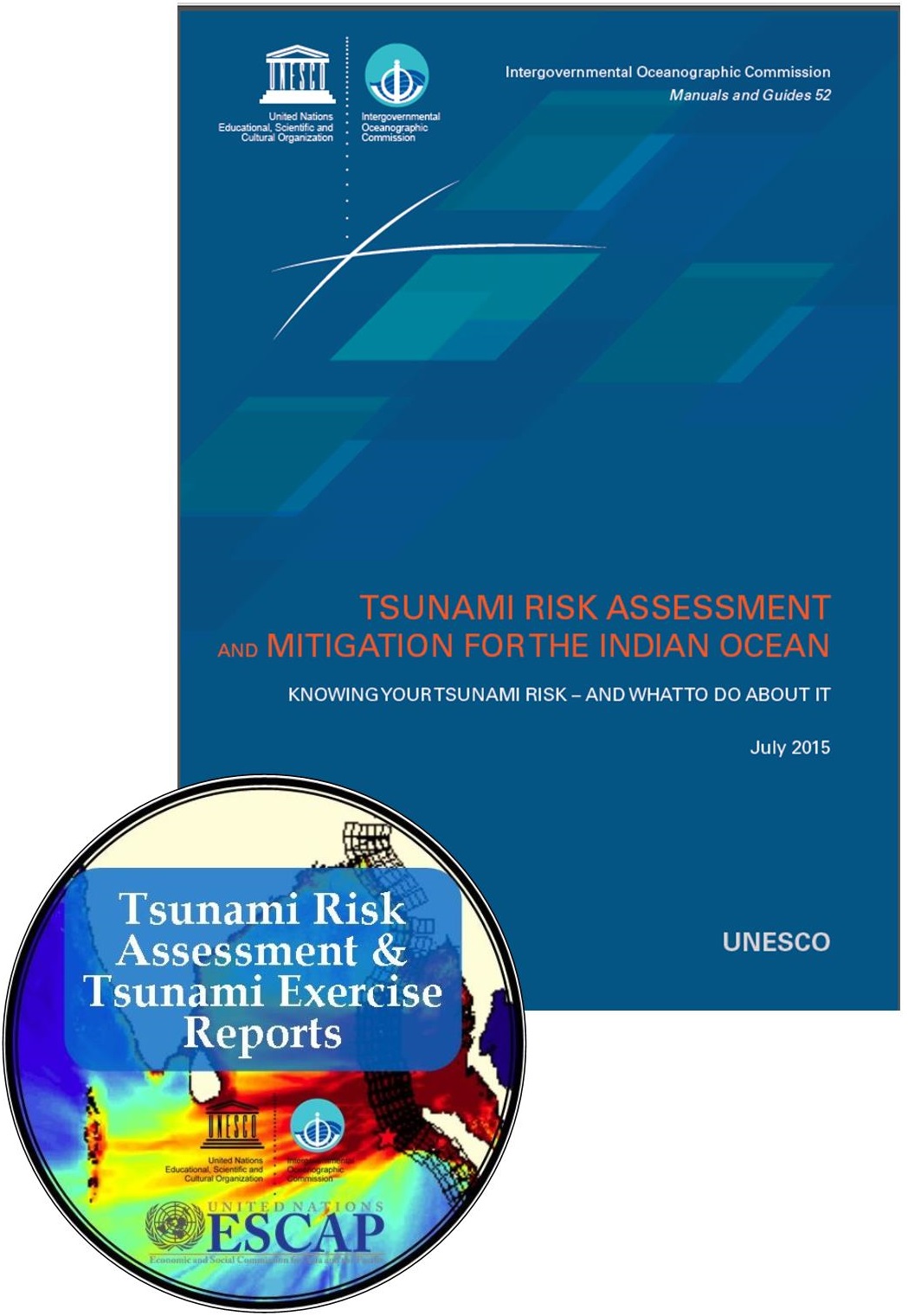
The Guidelines have been prepared as an activity of ICG/IOTMWS Working Group 1 on Tsunami Risk, Community Awareness and Preparedness as part of a project entitled: “Enhancing Tsunami Risk Assessment and Management, Strengthening Policy Support and Developing Guidelines for Tsunami Exercises in Indian Ocean Countries” for which IOC UNESCO secured funding from the UNESCAP Multi-Donor Trust Fund for Tsunami, Disaster and Climate Preparedness in India Ocean and South East Asia Countries. Reports from this project, including the revised Guidelines, are available for download at: http://www.ioc-tsunami.org/trate_reports.
New material includes a chapter reviewing the current and recent initiatives in institutional risk assessment and management with in a disaster risk reduction (DRR) framework and a chapter addressing the rationale and key steps to be followed in the sequence of risk assessment and risk reduction procedures. There is a new chapter on case studies, which provides summary accounts of strengths and weaknesses in the delivery of early warning for the major tsunami events in the Indian Ocean and Pacific Ocean regions since the beginning of 2004. Additionally, there is a new chapter on tools and/or methods associated with tsunami propagation models, post-event surveys, integrating inundation models into land use planning, risk-based land use planning, and community-based disaster risk management.
Tsunami Warning and Mitigation System Factsheets
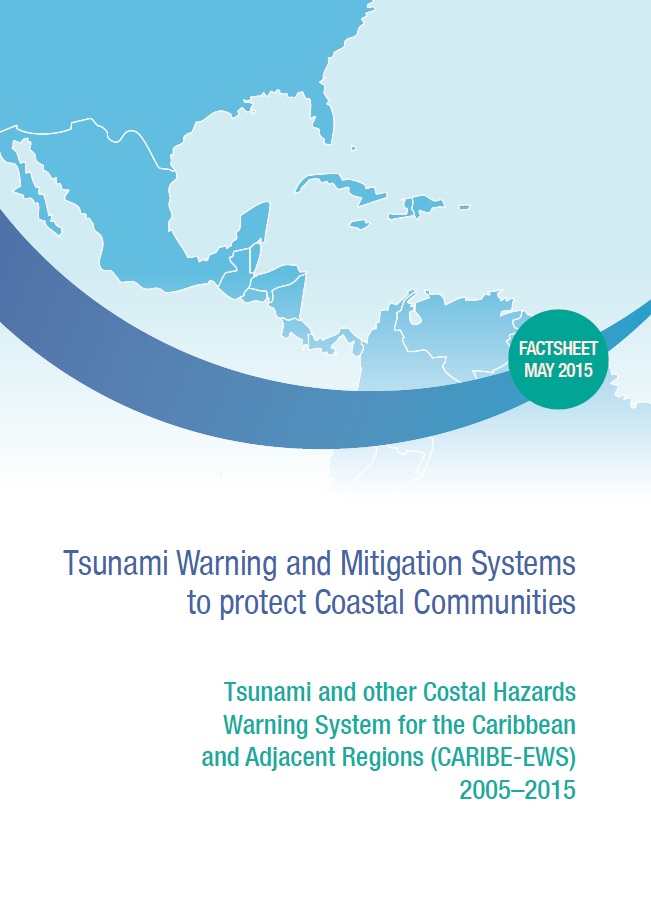
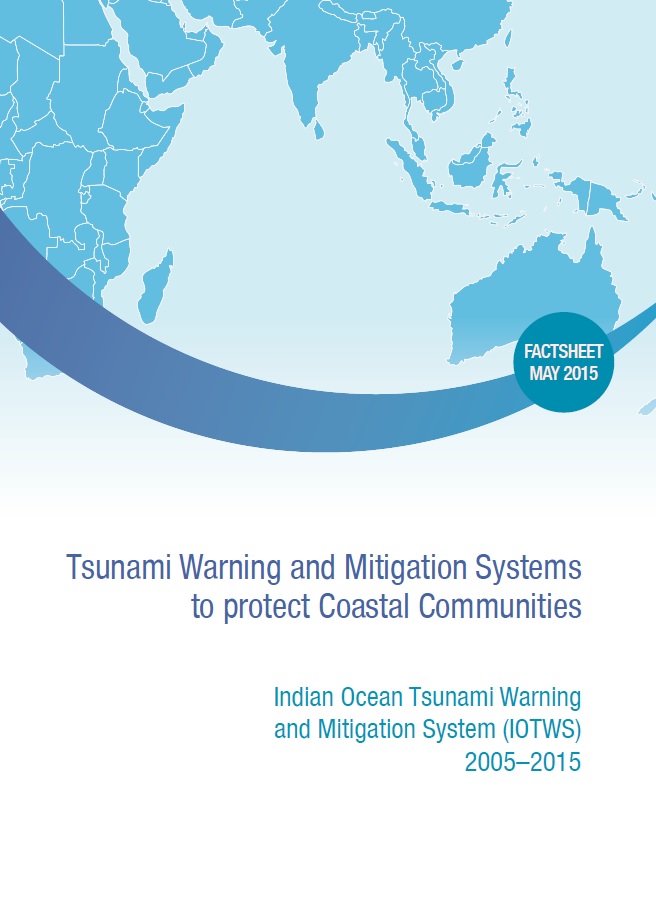
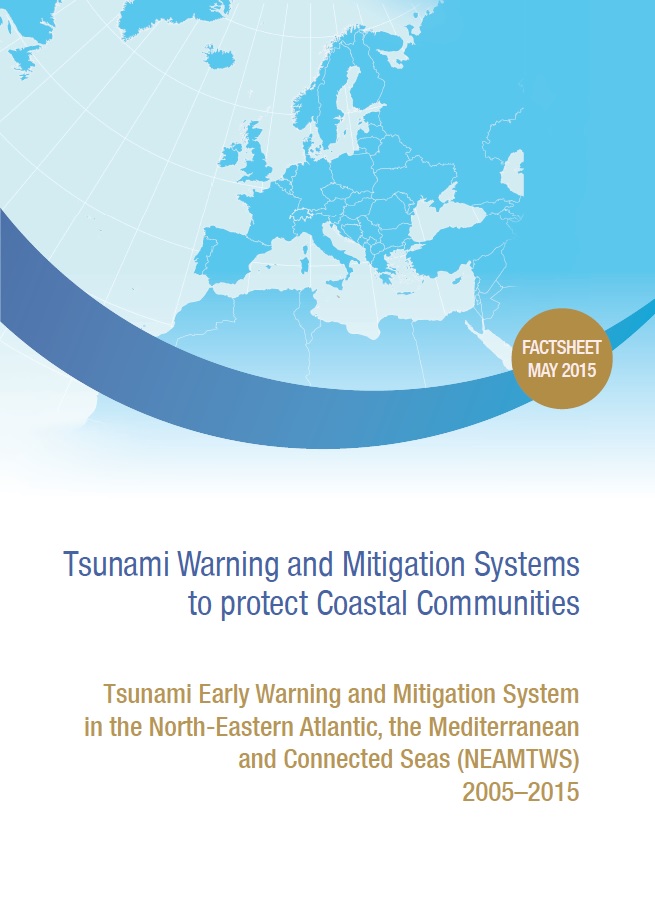
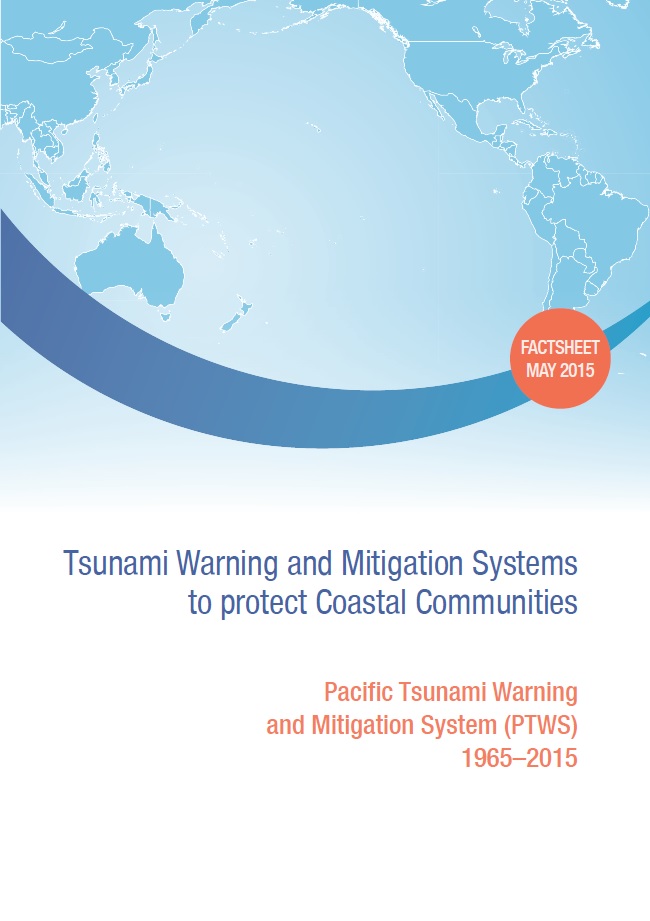
This year (2015) marks the 50th anniversary of the Pacific Tsunami Warning and Mitigation System (PTWS) and the 10th anniversaries of the Caribbean (CARIBE-EWS), Indian Ocean (IOTWS), and North-eastern Atlantic and Mediterranean (NEAMTWS) Tsunami Warning and Mitigation Systems. The latter three systems were established in response to the catastrophic Indian Ocean Tsunami of 26 December 2004, which resulted in the loss of over 230,000 lives and the displacement of over 1.6 million people around the Indian Ocean. In order to capture the current state of these systems and recognise the advancements in end-to-end tsunami warning over the last decade, IOC-UNESCO has published factsheets on the CARIBE-EWS, IOTWS, NEAMTWS, and PTWS.
The factsheets detail the substantial advancements there have been in the four systems since they were established, including the deployment status of earthquake and sea-level networks, the active investments of Member States in establising National Tsunami Warning Centres, and their participation in the coordination of meetings and exercises.The factsheets provide information on the membership, terms of reference, funding and governance of the systems, and details of the detection and monitoring networks, earthquake source zones monitored and summaries of the bulletins issued by the Tsunami Service Providers for each region.
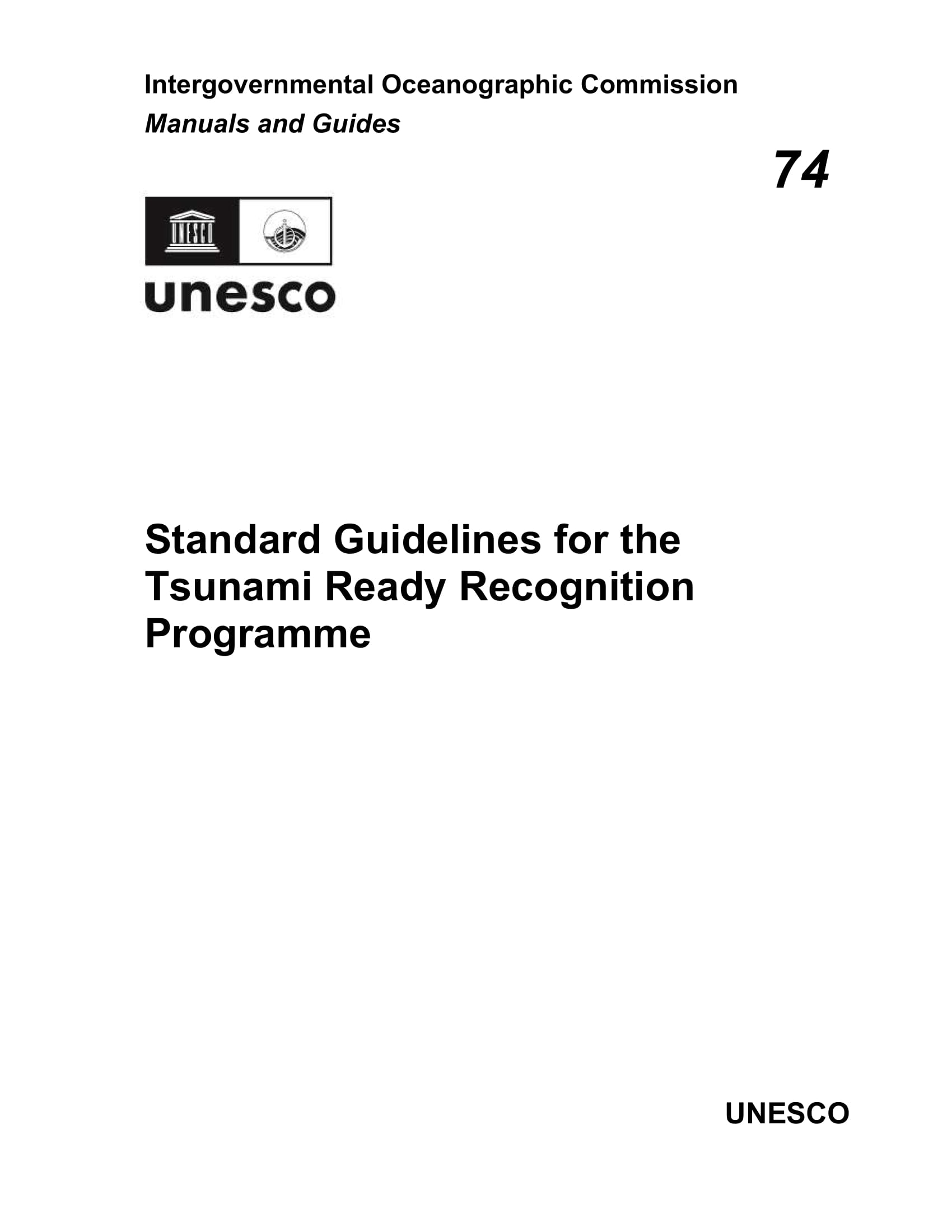
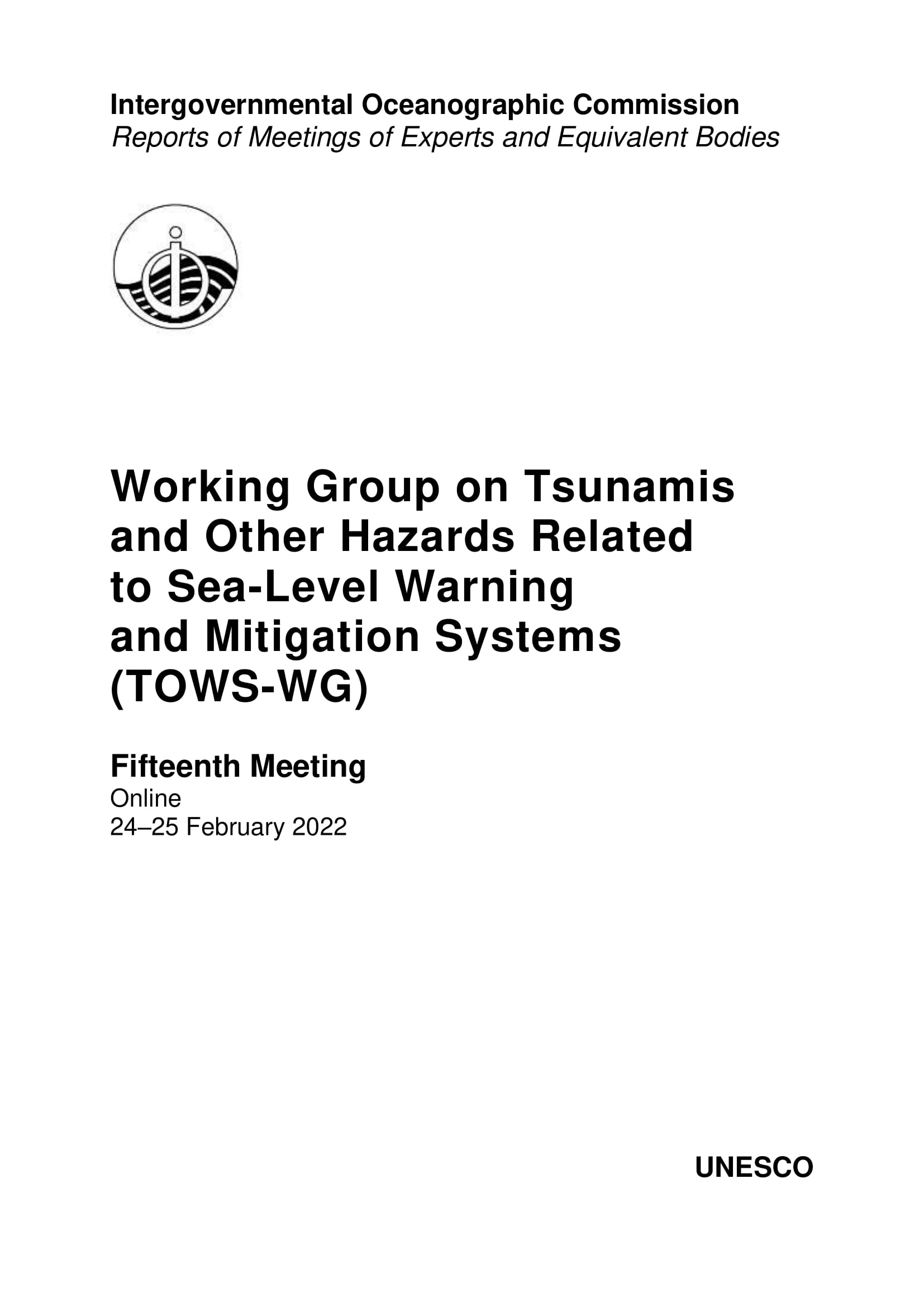
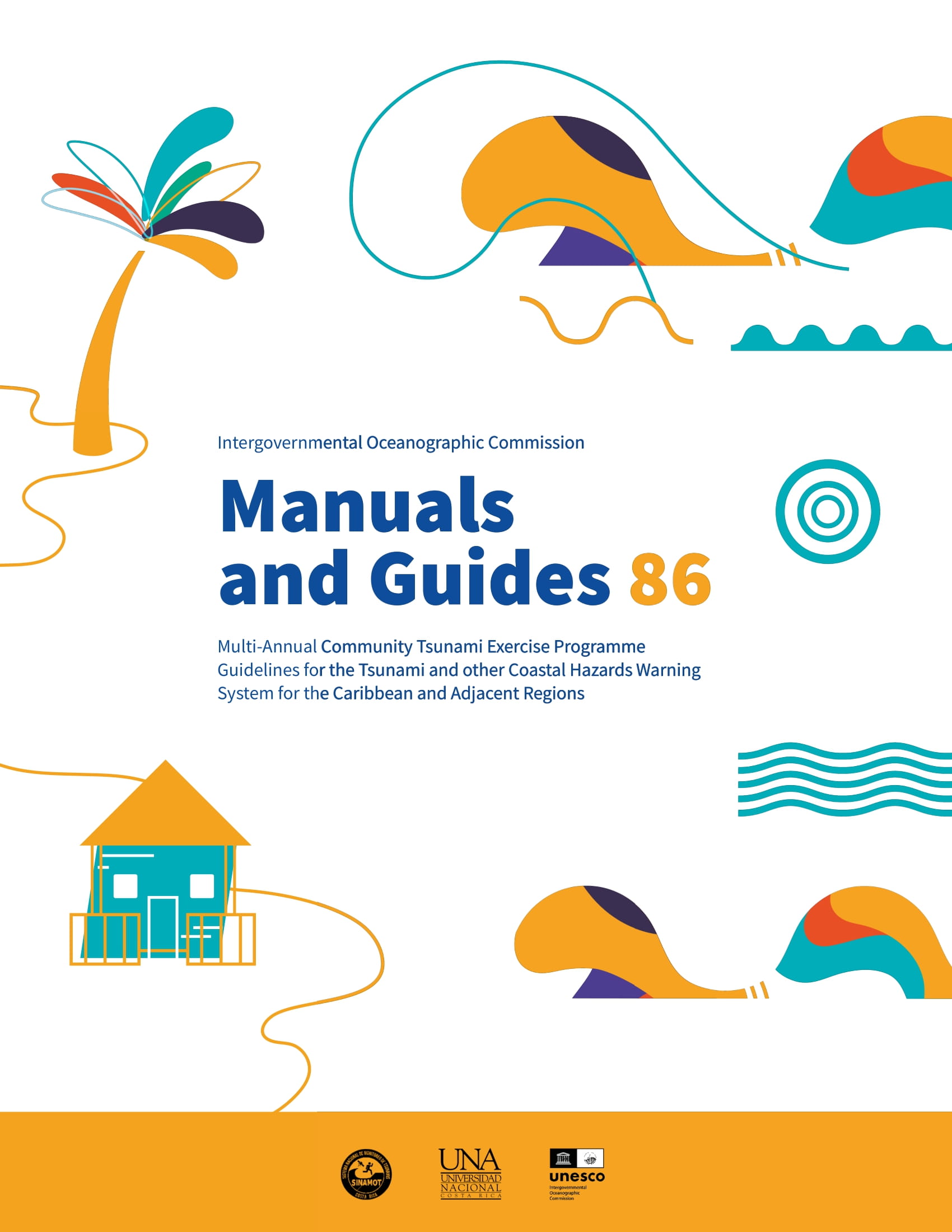
To view the factsheets click on the images below.
CARIBE-EWS IOTWS NEAMTWS PTWS
Successful cooperation on disaster risk reduction (2010-2015) between the European Commission’s Humanitarian aid and Civil Protection department (ECHO) and UNESCO

Cooperation between UNESCO and the European Commission’s Humanitarian aid and Civil Protection department (ECHO) has developed significantly since UNESCO started to apply for calls under the disaster preparedness ECHO programme (DIPECHO) and under prevention and preparedness programme (Civil Protection), which targets vulnerable communities living in the main disaster-prone regions of the world.
The UNESCO Regional Bureau for Education in Latin America and the Caribbean based in Santiago de Chile has successfully carried out several initiatives, starting with the project “Adaptive learning Mechanisms for the prevention and response to tsunami in vulnerable communities in Chile, Colombia, Ecuador and Peru” (2009-2010) under the 5th DIPECHO Action Plan for South America. That initiative also involved UNESCO’s Intergovernmental Oceanographic Commission (IOC) as well as local, national and regional partners.
The main goal of this project was to raise awareness and promote education for disaster risk reduction and participation in prevention and response to tsunamis and earthquakes. In addition, the project aimed to improve regional and inter-institutional cooperation and coordination in preparation for tsunamis, including integrating a risk-management approach into the education sector.
International Conference: "The Indian Ocean Tsunami Warning and Mitigation System 10 years after the Indian Ocean Tsunami: Achievements, Challenges, Remaining Gaps and Policy Perspectives"
The Indian Ocean Tsunami on 26th December 2004 resulted in the loss of over 230,000 lives including over 2,500 foreign tourists, and the displacement of over 1.6 million people around the Indian Ocean, with estimated economic losses of $14 billion. The catastrophe brought renewed focus on the need for a regional tsunami warning system in the Indian Ocean. Following the disaster, the Intergovernmental Oceanographic Commission (IOC) of UNESCO was given the mandate to develop and implement an Indian Ocean Tsunami Warning and Mitigation System (IOTWS). An Intergovernmental Coordination Group (ICG) for the IOTWS was established by the IOC Assembly in July 2005.
To commemorate the 10th anniversary of the Indian Ocean Tsunami, IOC UNESCO and the Indonesian Agency for Meteorology for Climatology and Geophysics (BMKG) are sponsoring and organising a conference to recognise the achievements of the last 10 years, to highlight work that still needs to be done, and to seek re-commitment to continued investment in the IOTWS. The conference will be held at the BMKG Auditorium in Jakarta, Indonesia, 24-25 November 2014 and will offer high level perspectives from invited speakers and panel discussions from decision makers and scientists. The 2nd announcement for the conference provides further details of the conference programme.
The conference is open attendance and there is no registration fee. Registration can be completed online at: www.ioc-unesco.org/IOTconference2014. For further information please contact Mr Tony Elliott, Head of ICG/IOTWS Secretariat, at: Этот адрес электронной почты защищен от спам-ботов. У вас должен быть включен JavaScript для просмотра..
Community drill exercise for tsunami in the district of Petit Anse-Cap Haitian, Haiti
The first community drill exercise in case of tsunami in Haiti was conducted in the district of Petite Anse in Cap Haitian on July 17, 2014. At 9: 00 AM the members of the "Community Response Teams - EICs" in Petite Anse, started mobilizing the population to the assembly point where about 600 people were educated on tsunami risk.
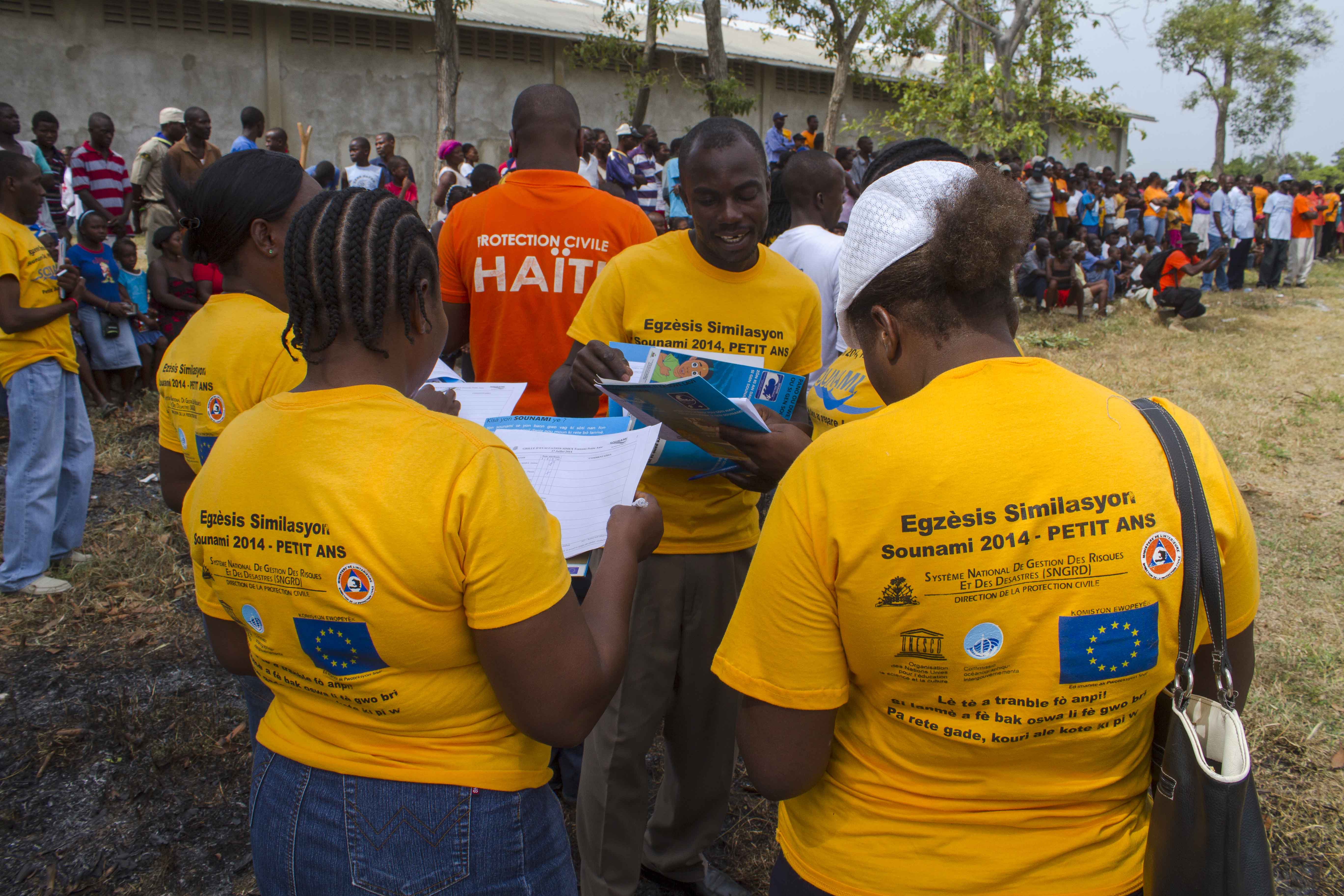
218 volunteers (Scouts, Rangers, Red Cross) were involved in securing the evacuation axes and 55 staff on medical safety. Public safety (crowd movement and traffic) was taken by the police (National Haiti, UNPOL and MINUSTAH Police) who deployed 142 staff.
The Director of Civil Protection, Mrs. Marie Alta Jean Baptiste, congratulated the institutions involved in the organization, for the excellent safety tools deployed and for mobilizing key actors working in the management of risks and disasters at Community level in the area of Petite Anse. This area is highly vulnerable to tsunami threat because it was urbanized by infilling of mangroves and building homes that do not meet basic standards of construction. The vulnerability of the population is exacerbated by the lack of knowledge of tsunami risk.
As part of the preparation of this simulation exercise, members of the local committee for risk and disaster management (CLGRD) in Petite Anse were trained on the tsunami threat and outreach door to door was conducted. This simulation is a significant public awareness exercise and provides a training opportunity for community actors to strengthen their organizational capacity and response in case of tsunami.
This activity was organized in the framework of the project "Consolidating Haitian capacities for tsunami early warning and preparedness" coordinated by the National System for Disaster Risk Management and UNESCO and funded by the Directorate General of Humanitarian Aid and Civil Protection of the European Commission (ECHO).
Еще статьи...
- Workshop on Standard Operating Procedures for Tsunami Warning and Emergency Response for Northern and Western Indian Ocean Countries
- Development and Strengthening of Tsunami Exercise Policies in Bangladesh, Myanmar and Timor Leste
- Brazil, Monaco, the European Union and St Vincent & the Grenadines contribute to strengthening the sea level observation network to monitor tsunamis and other coastal hazards in the Caribbean.
- Tsunami Standard Operating Procedures (SOP) training in the Caribbean
Подкатегории
-
Latest News
- Кол-во материалов:
- 83
-
Newsletter
- Кол-во материалов:
- 5
-
On focus
- Кол-во материалов:
- 5
-
IOTWS News
- Кол-во материалов:
- 1