Sea Level Monitoring
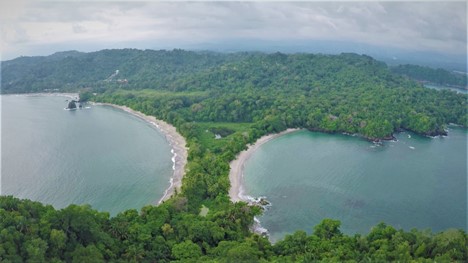
TSU/MAB Coastal Hazards Project
Tamarindo and Sámara, Costa Rica, had their Tsunami Ready recognition ceremony
On 27 August, Tamarindo and Sámara (Costa Rica) officially received the Tsunami Ready recognition by the President of the National Emergency Commission (CNE) Alexander Solís and Dr Silvia Chacón, Head of the SINAMOT Programme of Costa Rica's National University.
These communities completed the Tsunami Ready requirements set by the UNESCO Intergovernmental Oceanographic Commission on February 2021, joining Ostional and El Coco as Tsunami Ready communities in the Pacific coast of Costa Rica.
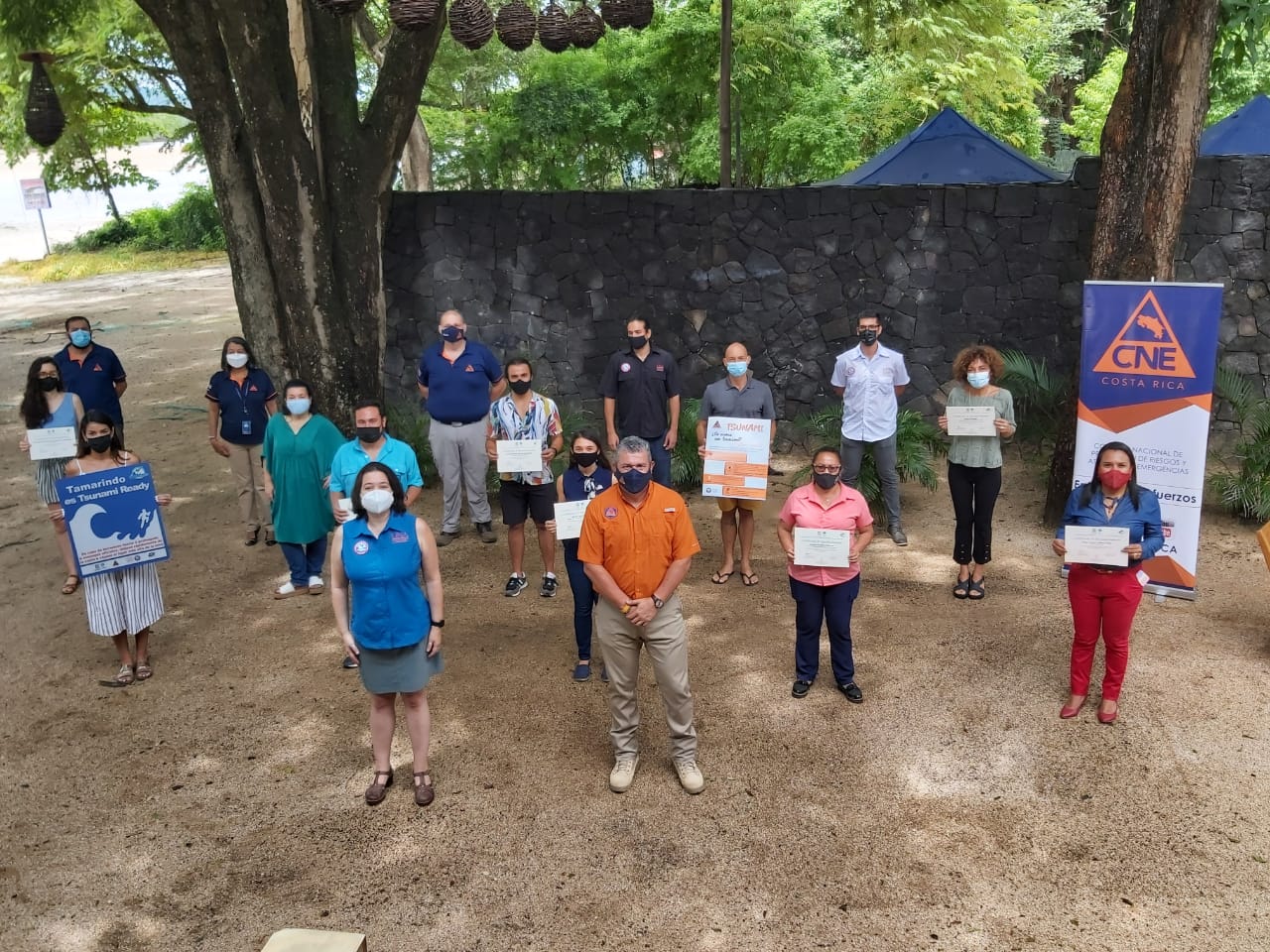
All communities share both the risk of tsunami hazard and tourism activities in connection with nature as the main economic driver.
Italy launches new sea level observation network to help enhance the detection, monitoring of tsunamis, and other sea level hazards in the Mediterranean Region
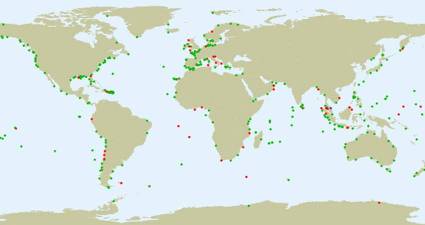
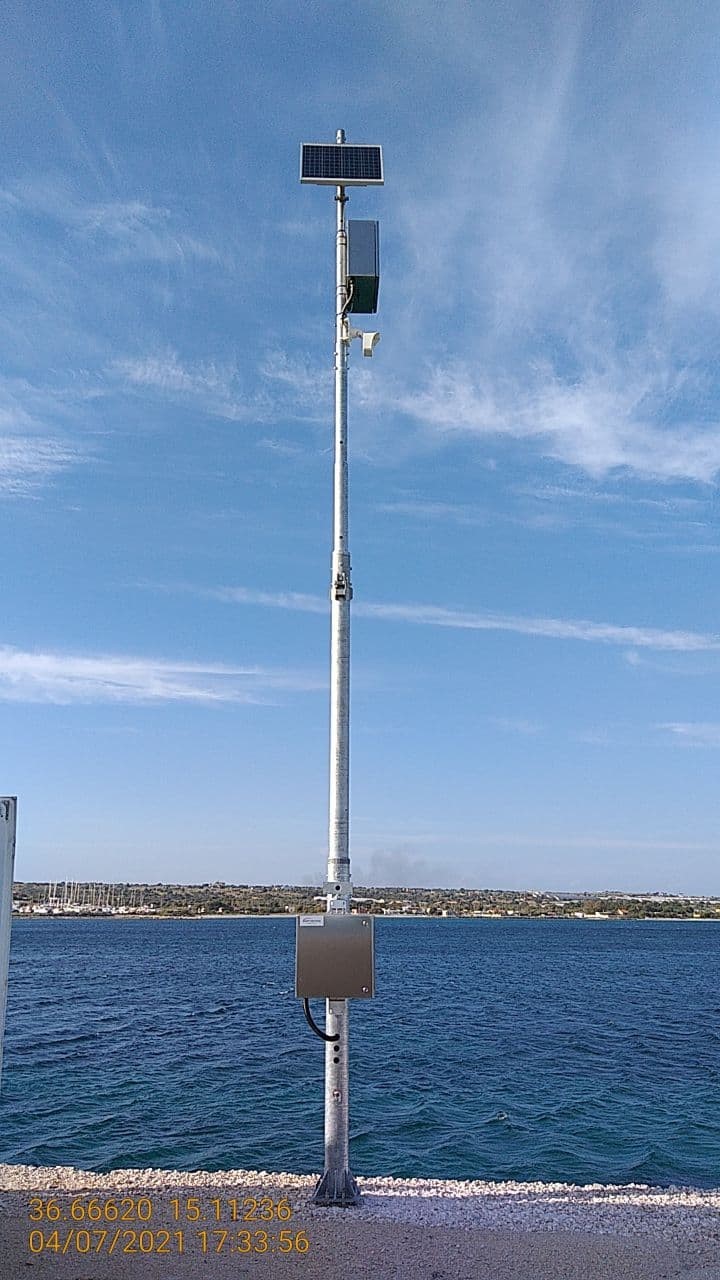
The National Institute for Environmental Protection and Research (ISPRA) launched in May 2021, within the SiAM- Italian National Alert System for Tsunamis framework, a program for enhancing the implementation of high precision and high-frequency long wave measurement network with the installation of six new stations for sea-level measurement able to withstand severe operating conditions. The new stations will support the monitoring of sea level and sea state at high precision and accuracy, thus enhancing the detection and monitoring of tsunamis and other sea-level related hazards in that particular region.
The new sea level tide gauge stations are located almost offshore in Cetraro Lido (Calabria), Capo Teulada (Sardinia), Portopalo di Capo Passero (Sicily), Roccella Jonica (Calabria) and on the small islands of Marettimo (Sicily) and Pantelleria (Sicily).
Innovative sea level gauge
Working Together Towards Community Tsunami Ready in the NEAM Region
The newly created Intergovernmental Coordination Group for the North-eastern Atlantic, the Mediterranean and Connected Seas Tsunami Warning and Mitigation System (ICG/NEAMTWS) Group on Tsunami Ready co-chaired by Areti Plessa (Greece) and Cecilia Valbonesi (Italy), held its second meeting on 30 June. France, Italy and Spain reported gradual but incremental progress in initiating pilot Tsunami Ready despite several challenges, namely navigating through burocratic, legal and institutional instruments and frameworks. In Greece, Lebanon, Spain and Turkey, increased engagement and connections are being established with other vital stakeholders, particularly civil protection agencies. Turkey and Israel are exploring the adoption of new technologies to disseminate tsunami alert messages to the public. There is common interest to further engage and better work together towards Community Tsunami Ready in the NEAM Region.
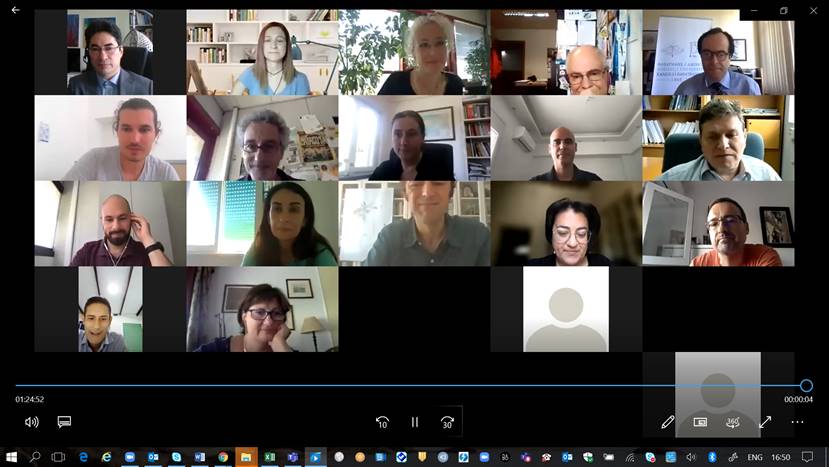
Second online meeting of the ICG/NEAMTWS Dedicated Group on Tsunami Ready (Group Picture).
Broadcasting Media as part of the Tsunami Warning Chain
In order to strengthen the engagement of media broadcasters in the tsunami early warning processes in the Makran region, a webinar was held on 17th June 2021 as a contribution towards the 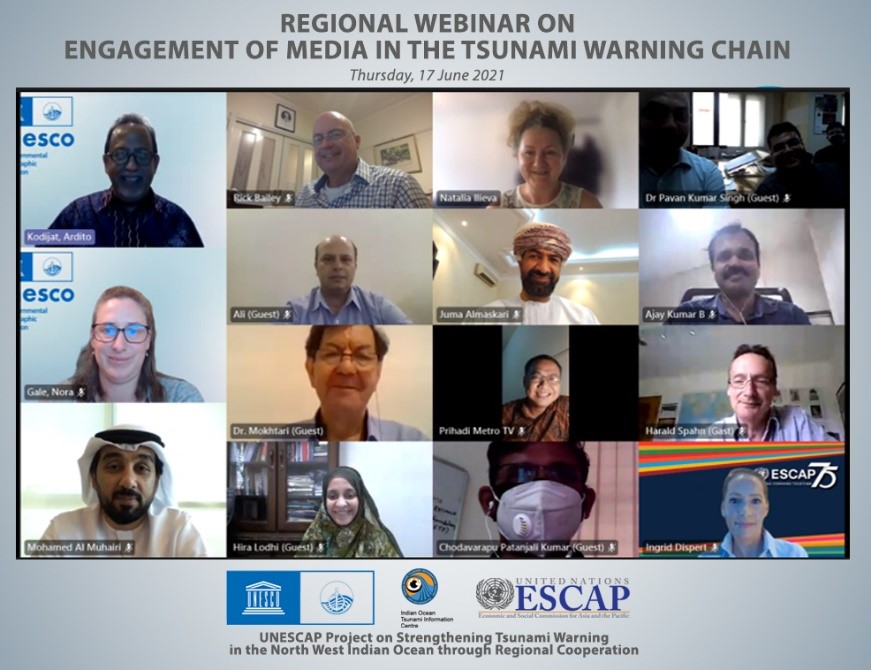 UNESCAP-funded project “Strengthening tsunami early warning in the North West Indian Ocean through regional cooperation” (TTF-29). The event was organized by Indian Ocean Tsunami Information Center (IOTIC), Secretariat of the Intergovernmental Coordination Group for Indian Ocean Tsunami Warning and Mitigation System (ICG/IOTWMS), and TTF-29 Project Team. In total 63 participants attended this event from Australia, Germany, Indonesia, India, Iran, Pakistan, Oman, United Arab Emirates (UAE) as well as the Asia-Pacific Broadcasting Union (ABU), UNESCAP and UNESCO.
Dr. Mohammad Mokhtari, Chair of the Subregional Working Group for the North West Indian Ocean, opened the webinar followed by Ms. Ingrid Dispert representing UNESCAP as the project donor, and Ms. Nora Gale of the ICG/IOTWMS Secretariat. Engagement of the media in the tsunami early warning processes in the Makran region was strengthened through discussion on the role of broadcasting media in the tsunami early warning chain and exchange of practical experiences from the region and beyond.
The Tsunami Snapshots: A New Spotlight on Regional and National Tsunami Warning and Mitigation Systems
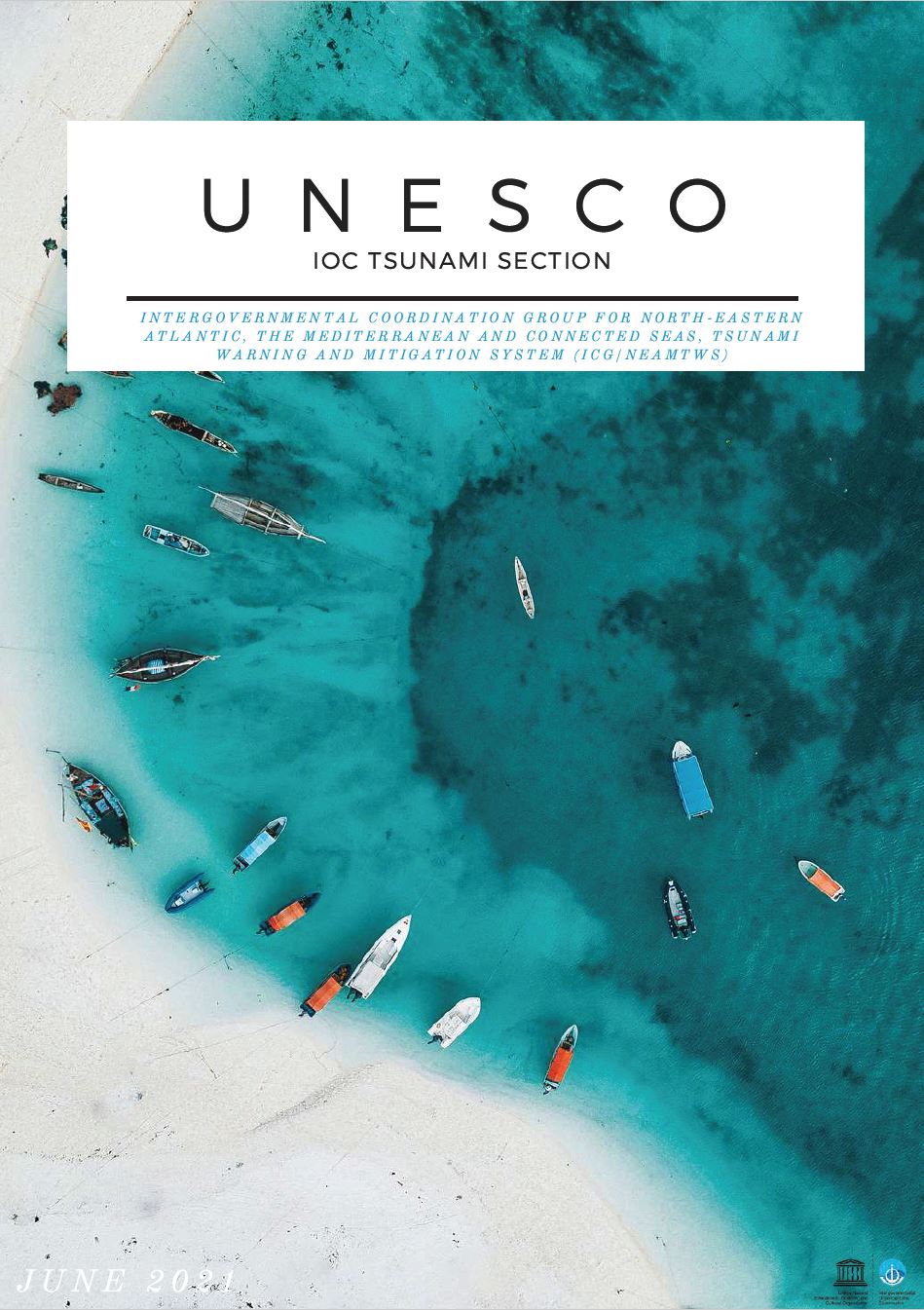 The new Tsunami Snapshots aim to bring the work of the IOC-UNESCO Regional Tsunami Early Warning and Mitigation Systems to a wider audience. This intiative takes place within the framework of the United Nations Decade of Ocean Science for Sustainable Development and its goal of a Safe Ocean.
The Snapshots will provide regular updates of our work, highlighting key achievements and opportunities, Tsunami Ready communities, and tsunami events, as well as information on Tsunami Service Providers and Tsunami Information Centers. There are four Snapshots, featuring activities in 1) the Caribbean sea and adjacent regions (ICG/CARIBE-EWS), 2) the Indian Ocean (ICG/IOTWMS), 3) North-Eastern Atlantic, the Mediterranean and connected seas (ICG/NEAMTWS) and 4) the Pacific Ocean (ICG/PTWS).
To download the Snapshots select the image on the right-hand-side.
More Articles...
- Emerging Pilot Tsunami Ready Initiatives: Italy’s Civil Protection Council of Ministers establishes the Italian National Tsunami Ready Board, a first in NEAM Region
- CARIBE WAVE exercise continues to promote tsunami preparedness even despite the ongoing pandemic situation
- Greek Tsunami Service Provider Announces the Deployment of New Tsunami Information Products
- Tamarindo and Sámara, Costa Rica, recognized Tsunami Ready
About the Tsunami Programme
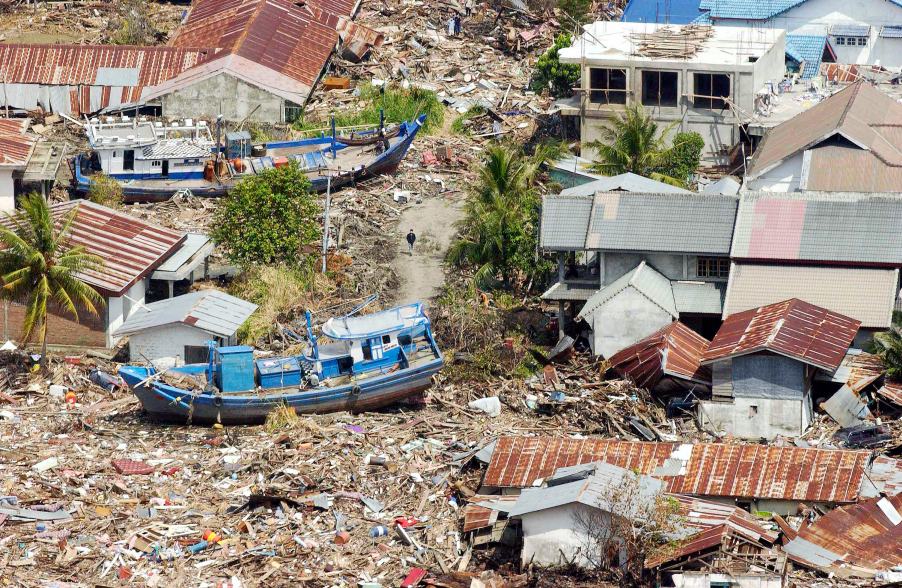
The Indonesian coast, between Banda Aceh and Meulaboh, after the earthquake and the tsunami of 26 December 2004. Photo by Evan Schneider © UN Photo
UNESCO supports Member States in improving capabilities for tsunami risk assessment, implementing early warning systems and enhancing preparedness of communities at risk. UNESCO works closely with national institutions and promotes inter-institutional and regional cooperation. Specialized regional centers provide tsunami information that, together with national analysis, is the basis of the warnings issued for the public. In addition, UNESCO promotes community-based approaches in the development of response plans and awareness campaigns which strongly involve education institutions and end-users.
Upcoming Events
7 August 2024
19 August 2024
19 - 30 August 2024
Chile