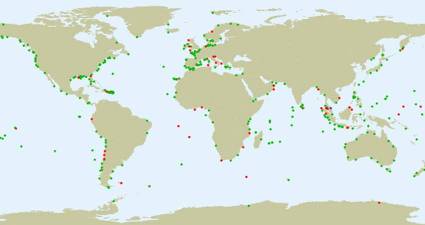
Sea Level Monitoring
TSU/MAB Coastal Hazards Project
ICG/IOTWS Working Group 3: Tsunami Awareness and Response
Terms-of-Reference
1. Promote good practice in capacity building for community resilience through preparedness and response activities.
2. Encourage mainstreaming of tsunami risk assessment, warning and mitigation systems into national development policy, plans, practice and legislation.
3. Encourage the integration of national tsunami programmes into the defined national platforms for disaster risk reduction and national disaster management.
4. Develop, enhance and encourage the adoption of tsunami-related guidelines, manuals and tools for downstream activities e.g. public information, education, training, communication processes, evacuation planning and drills, standard operating procedures and emergency management.
5. Assess national capacity and capability in tsunami awareness and response.
6. Liaise with other working groups within the ICG/IOTWS, and with working groups from the other ocean basins through TOWS WG, to coordinate tsunami awareness and response.
7. Under the direction of the Steering Group, carry out assessments of the IOTWS performance after each exercise and real tsunami event. Encourage and assist national assessments following real events.
The Group will be composed of members nominated by Member States, with inivted observes, with a chairperson and vice-chairperson to be elected.
Le programme relatif aux tsunamis – ce qu’il est
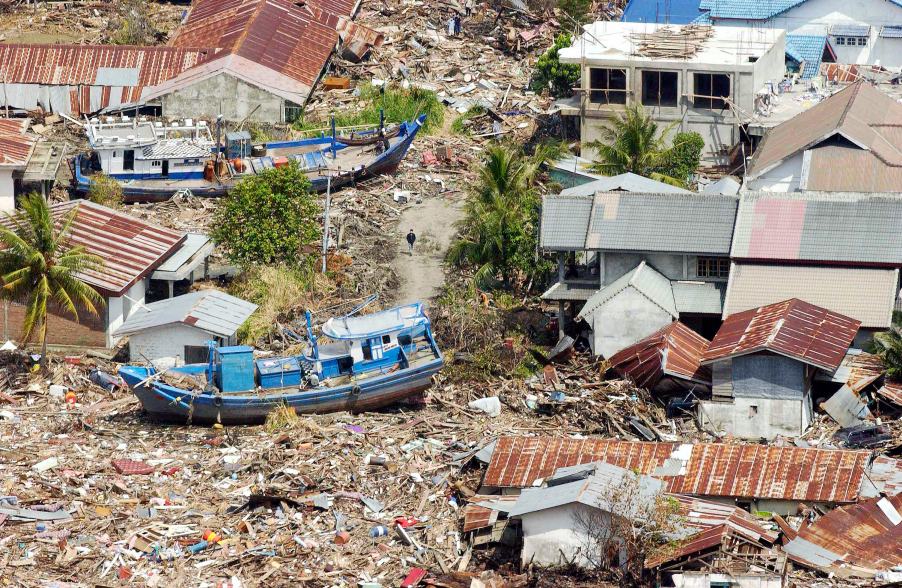
La côte indonésienne, entre Banda Aceh et Meulaboh, au lendemain du tremblement de terre et du tsunami du 26 décembre 2004. Photo Evan Schneider © UN Photo
L’UNESCO aide les États membres à renforcer leur capacité d’évaluation du risque de tsunami, à mettre en œuvre des systèmes d’alerte rapide aux tsunamis et à mieux préparer les populations exposées. Elle travaille étroitement avec les organismes nationaux et favorise la coopération
interorganismes et régionale. Des centres régionaux spécialisés fournissent une information relative aux tsunamis, laquelle, assortie d’une analyse nationale, constitue la base des alertes publiques. En outre, l’UNESCO encourage des démarches fondées sur les populations, à la base, par le biais de l’élaboration de plans d’intervention et de campagnes de sensibilisation qui impliquent fortement les établissements éducatifs et l’utilisateur final.
Upcoming Events
7 August 2024
19 August 2024
19 - 30 August 2024
Chile