Sea Level Monitoring
TSU/MAB Coastal Hazards Project
ITIC – UNESCO Regional Training Workshop on Strengthening Tsunami Warning and Emergency Response Standard Operating Procedures (SOPs).
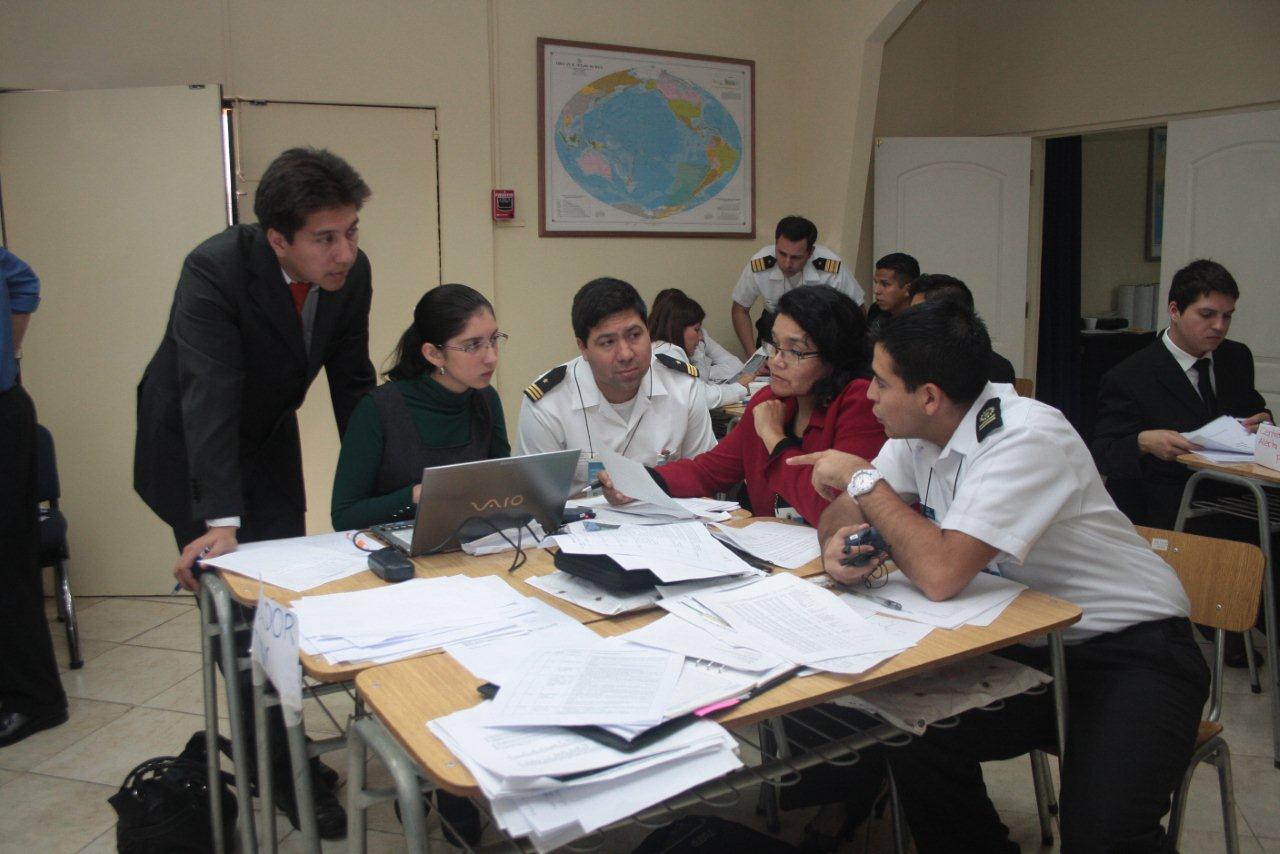
This highly successful training with +23 participants from all 4 South American East Coast Spanish speaking countries (Colombia, Ecuador, Peru and Chile), with funding support shared by UNESCO, USAID/OFDA, and NOAA, was hosted by the Chilean Navy’s Oceanographic and Hydrographic Service (SHOA), on 4 - 8 March 2013, in Valparaiso, Chile. This training is part of the work plan of the ICG/PTWS in view of the soon to start issuance of Enhanced PTWC Products. The ICG/PTWS tasked IOC and ITIC to develop trainings dedicated to SOP and Enhanced PTWC Products to make sure both Tsunami Warning Centers (TWCs) and Tsunami Emergency Responders (TER) at national level are prepared to understand and use the new products in the framework of their SOPs.
The Ministry of Education of Chile reproduces the educational modules: “Tsunami risk management in educational institutions”, developed by UNESCO for nursery, primary and secondary school education
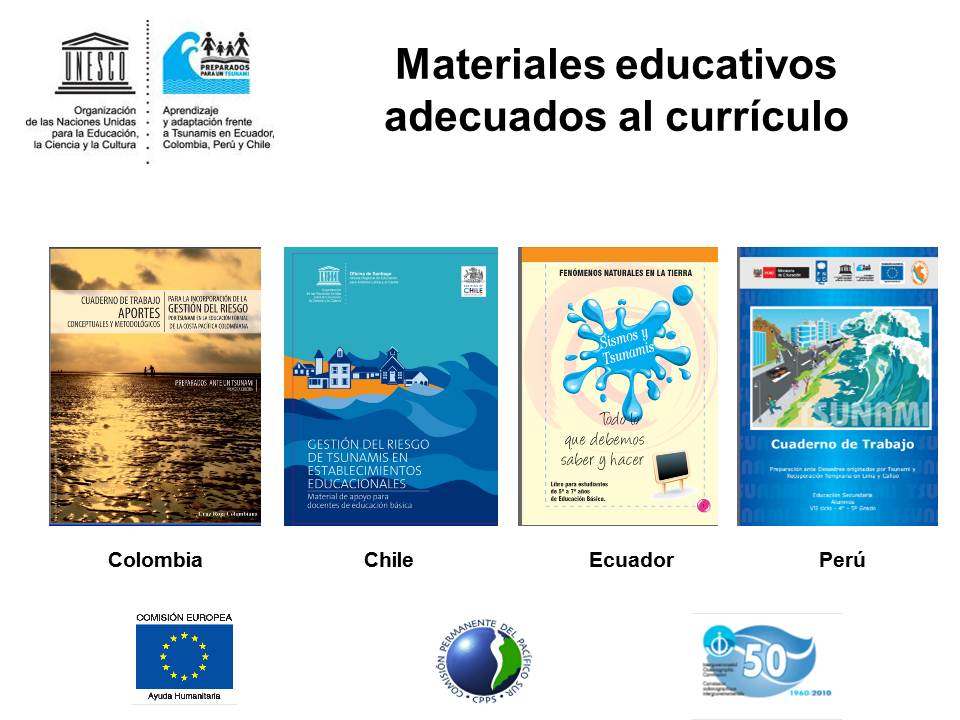
This year, the Ministry of Education of Chile will reproduce 3,000 copies of the above-mentioned modules for distribution in educational institutions in the country’s coastal areas. Similarly, the Chilean Red Cross and UNESCO will print a further 3,000 copies of these educational texts and will implement the project strategy in schools, in conjunction with the Ministry of Education and the National Emergency Office (ONEMI).
UNESCO is currently implementing the project “Strengthening the Regional Tsunami Early Warning System – preparations in Chile, Colombia, Ecuador and Peru”, under the DIPECHO VII Action Plan for South America, which provides follow-up and continuity to the DIPECHO VI Project and completes a phase of 36 months of support for tsunami preparedness in the above-mentioned four countries. These projects are implemented through the UNESCO Office in Santiago de Chile and the UNESCO Intergovernmental Oceanographic Commission (IOC).
Exercise Indian Ocean Wave 2011 heralds the commencement of Regional Tsunami Service Providers operations in the Indian Ocean
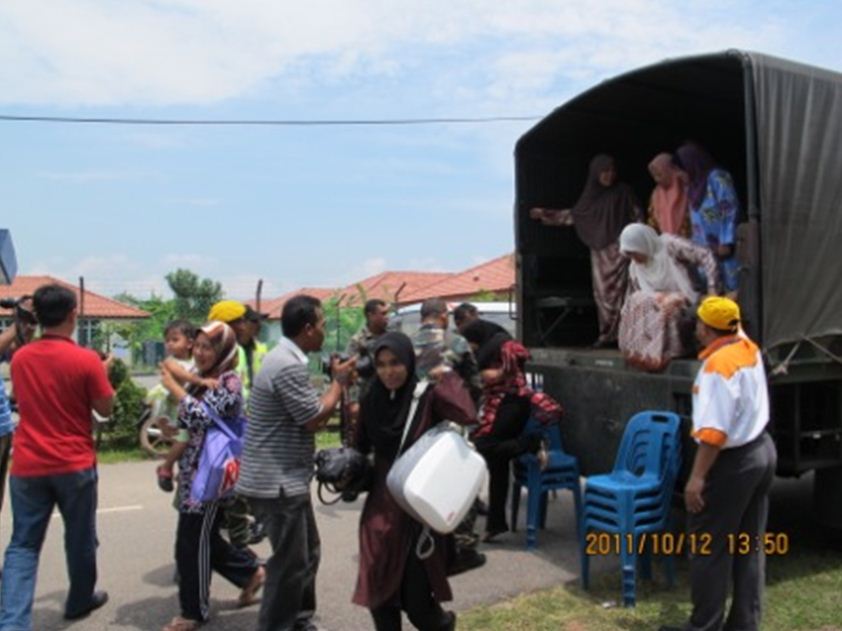
Twenty-three countries of the Indian Ocean rim participated successfully in an ocean-wide tsunami exercise on 12 October. At the same time the new regional advisory service provided by the Regional Tsunami Service Providers (RTSPs) of Australia, India and Indonesia became operational, ushering in a new era of regional cooperation for tsunami warning in the Indian Ocean.
The commencement of the RTSPs service in the Indian Ocean marks a significant milestone for the IOTWS and represents the culmination of six years of development and preparation since the Intergovernmental Coordination Group for the IOTWS decided to develop its own regional tsunami warning capability in December 2005.
UNESCO Director-General Irina Bokova marked the transition of responsibility for the tsunami warning system with a video address to the new RTSPs. “All this shows what can be done when States and societies join together to reach common goals,” said Irina Bokova. “This is a major step to protecting the lives and livelihoods of all coastal communities in the Indian Ocean.”
Exercise IOWave 11 re-enacted the 26 December 2004 great earthquake event, with a simulated 9.2 magnitude earthquake off the North West coast of Sumatra (Indonesia), followed by an ocean-wide tsunami. The new RTSPs of Australia, India and Indonesia together with the Regional Integrated Multi-Hazard Early Warning System (RIMES) and the Interim Advisory Service providers, Japan Meteorological agency (JMA) and Pacific Tsunami Warning Center (PTWC) between them issued a total of 82 bulletins to the National Tsunami Warning Centres (NTWCs) of the 23 participating countries.
Preliminary results indicate that all the participating NTWCs were able to receive timely messages from the RTSPs. Most countries conducted national exercises involving key emergency response agencies, with many conducting tabletop or functional exercises to test their tsunami warning and emergency response Standard Operating Procedures. Four countries (India, Kenya, Malaysia and Mauritius) reported conducting evacuation drills at coastal communities. In India, drills were conducted at 17 coastal villages in 3 provinces. All countries considered the exercise to be successful although several minor problems have been identified which will require corrective action.
Overall, Exercise IOWave 11 achieved its goal of evaluating the state of readiness of Indian Ocean Tsunami Warning and Mitigation System, its operational RTSPs, the NTWCs and National Disaster Management Organizations, in responding to a potentially destructive tsunami. The exercise has provided an opportunity for Indian Ocean countries to test their operational lines of communications, and to review their tsunami warning and emergency response Standard Operating Procedures. A full evaluation of the exercise will now be conducted and a report will be published by the end of November 2011.
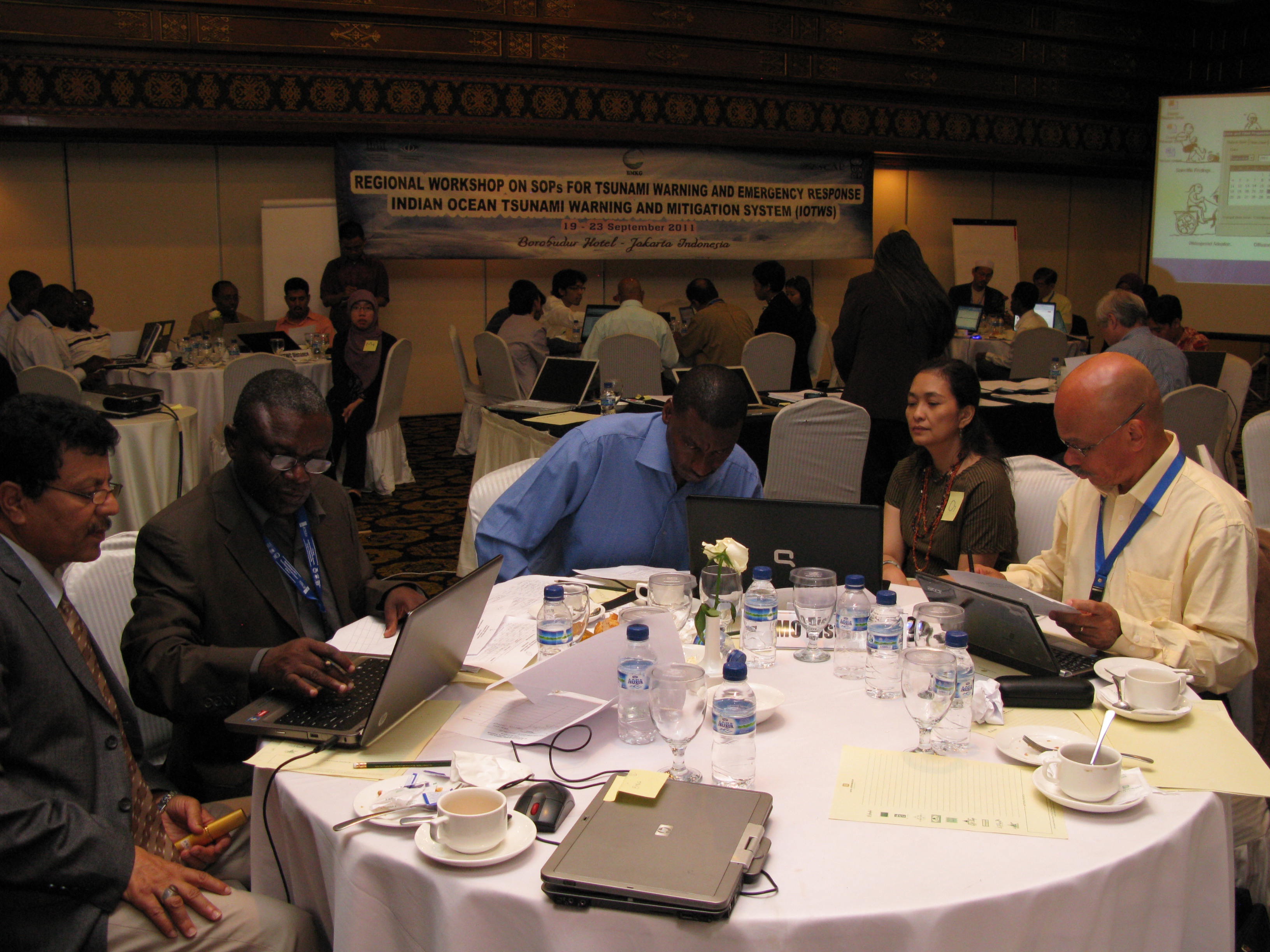
Regional Workshop on Standard Operating Procedures for Tsunami Warning and Emergency Response held in Jakarta
(i) to understand the roles and products of RTSPs;
(ii) to understand the impact of RTSP products and services on National Tsunami Warning Centre (NTWC) SOPs;
(iii) to identify potential gaps and possible challenges for NTWC and National Disaster Management Organisations (NDMO) SOPs;
(iv) to develop/adapt SOPs to interface with the media; and
(v) to prepare for the Indian Ocean Wave 2011 exercise.
The workshop was attended by 40 participants and trainers from 17 countries, with representatives from the RTSPs, NTWCs, NDMOs and media organisations. The participants were introduced to the new RTSP products and discussed their impact on national level SOPs. The role and responsibilities of the media in tsunami warning were also discussed. A tabletop exercise at the end of the workshop tested the participants knowledge of SOPs and provided them with an insight into the practical applications of the new RTSP products.
The workshop was co-sponsored by the Intergovernmental Oceanographic Commission of UNESCO and UNDP Asia Pacific Regional Centre and was hosted by the Indonesian Agency for Meteorology, Climatology and Geophysics (BMKG).
Project for strengthening Haitian capacities for tsunami early warning and preparedness funded by ECHO
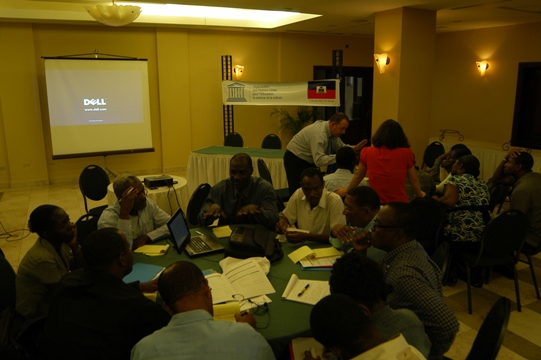 A new agreement has been signed between the European Commission’s General Directorate for Humanitarian Aid & Civil Protection (ECHO) and UNESCO for 500,000 EUR to strengthen tsunami early warning capabilities in the Caribbean Region. The 15-month project “Strengthening Haitian capacities for tsunami early warning and preparedness” will offer continuity to ongoing efforts established by the Haitian Government and IOC/UNESCO after the 12 January Earthquake in 2010.
The objectives of the project are to continue to build awareness, knowledge, and response capacity on/for tsunami risks at institutional level. In addition, the new funding will allow to initiate tsunami preparedness initiatives at community level, including public awareness campaigns.
More Articles...
About the Tsunami Programme
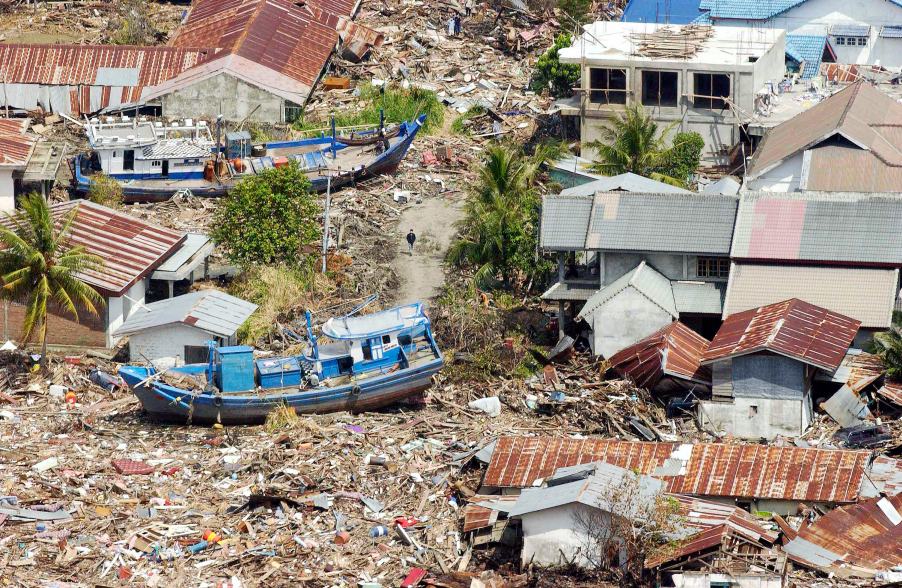
The Indonesian coast, between Banda Aceh and Meulaboh, after the earthquake and the tsunami of 26 December 2004. Photo by Evan Schneider © UN Photo
UNESCO supports Member States in improving capabilities for tsunami risk assessment, implementing early warning systems and enhancing preparedness of communities at risk. UNESCO works closely with national institutions and promotes inter-institutional and regional cooperation. Specialized regional centers provide tsunami information that, together with national analysis, is the basis of the warnings issued for the public. In addition, UNESCO promotes community-based approaches in the development of response plans and awareness campaigns which strongly involve education institutions and end-users.
Upcoming Events
7 August 2024
19 August 2024
19 - 30 August 2024
Chile