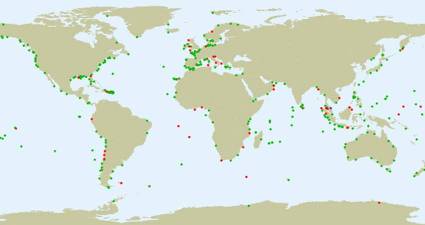
Sea Level Monitoring
TSU/MAB Coastal Hazards Project
FOR ARCHIVE - Caribe EWS - Task Team Future Goals and Performance Indicators
Chair: Mary Rengifo (Colombia, 2019-)
Vice-Chair: Wagner Rivera (Dominican Republic, 2019-)
|
Terms of Reference 1. Review and analyze the ICG/PTWS Framework Future Goals and Performance Monitoring of Tsunami Risk Reduction, Hazard Warning, and Mitigation, with a view to harmonize ICG/CARIBE-EWS structures with ICG/PTWS over the next two inter-sessional periods 2. Create a document that identifies quantitative performance and health indicators of an efficient system, in consideration of the situation of the Caribbean and adjacent regions 3. Align efforts with the ICG/CARIBE-EWS Implementation Plan (2018-2023) adopted through Recommendation ICG/CARIBE-EWS-XIII.8 4. Gather examples of specific indicators to establish the CARIBE-EWS indicators, and to find and recommend the methodology to collect the information needed to measure the indicators; considering the differences between the countries in the region using more specific and targeted questions 5. Present a progress report including the revised Implementation Plan (2018-2023) at the next session (ICG/CARIBE-EWS-XV) 6. The Chair and Vice-chair of the Task Team will work with the PTWS Task Team on Future Goals and Performance Monitoring to develop and bring the recommendations to TOWS-WG regarding the measurement of the performance indicators, health and efficiency to be considered by the Global Tsunami System in order to submit the recommendations to TOWS-WG in 2021. |
|
Membership: 1. Alison Brome, CTIC (Ex-Officio) 2. Bernardo Aliaga, CARIBE EWS Technical Secretary, UNESCO-IOC (Ex-Officio) |
El programa sobre tsunamis
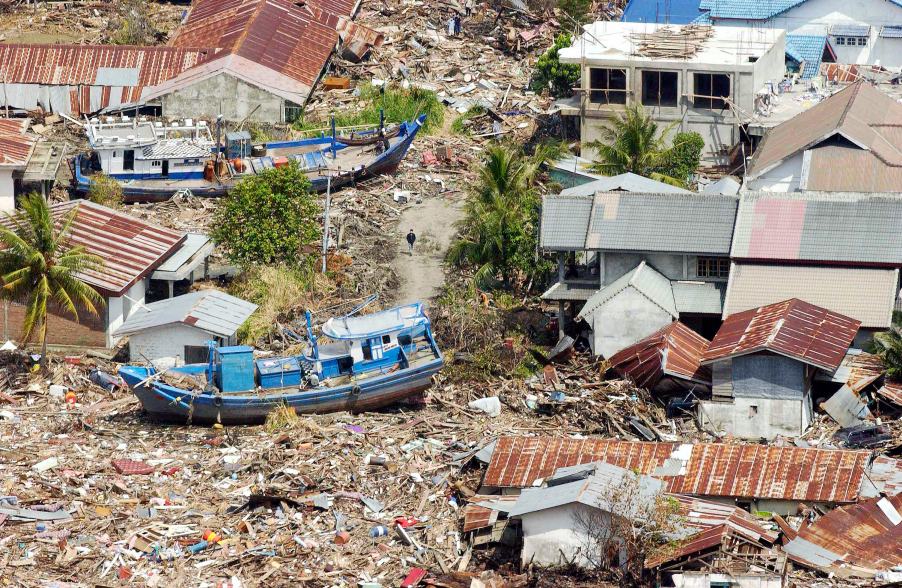
La costa de Indonesia, entre Banda Aceh y Meulaboh, tras el seísmo y tsunami del 26 de diciembre de 2004. Fotografía de Evan Schneider © Foto de Naciones Unidas
La UNESCO presta apoyo a los Estados Miembros con el fin de mejorar sus capacidades de evaluación de riesgos de tsunami, implantar sistemas de alerta temprana y mejorar la preparación de las comunidades amenazadas. La UNESCO colabora estrechamente con instituciones nacionales, y promueve la cooperación interinstitucional y regional. Los centros regionales especializados proporcionan información sobre los tsunamis que, conjuntamente con los análisis efectuados a nivel nacional, sirven para elaborar las alertas al público. Además, la UNESCO promueve metodologías comunitarias mediante el desarrollo de planes de respuesta y campañas de sensibilización, en las que participan en buena medida instituciones docentes y usuarios finales.
Upcoming Events
7 August 2024
19 August 2024
19 - 30 August 2024
Chile