Sea Level Monitoring
TSU/MAB Coastal Hazards Project
Indian Ocean region works towards Tsunami Readiness on the occasion of World Tsunami Awareness Day 2022
The Indian Ocean Tsunami Ready Hybrid Workshop was held in Bali, Indonesia during 22 to 26 November 2022 in commemoration of World Tsunami Awareness Day 2022.
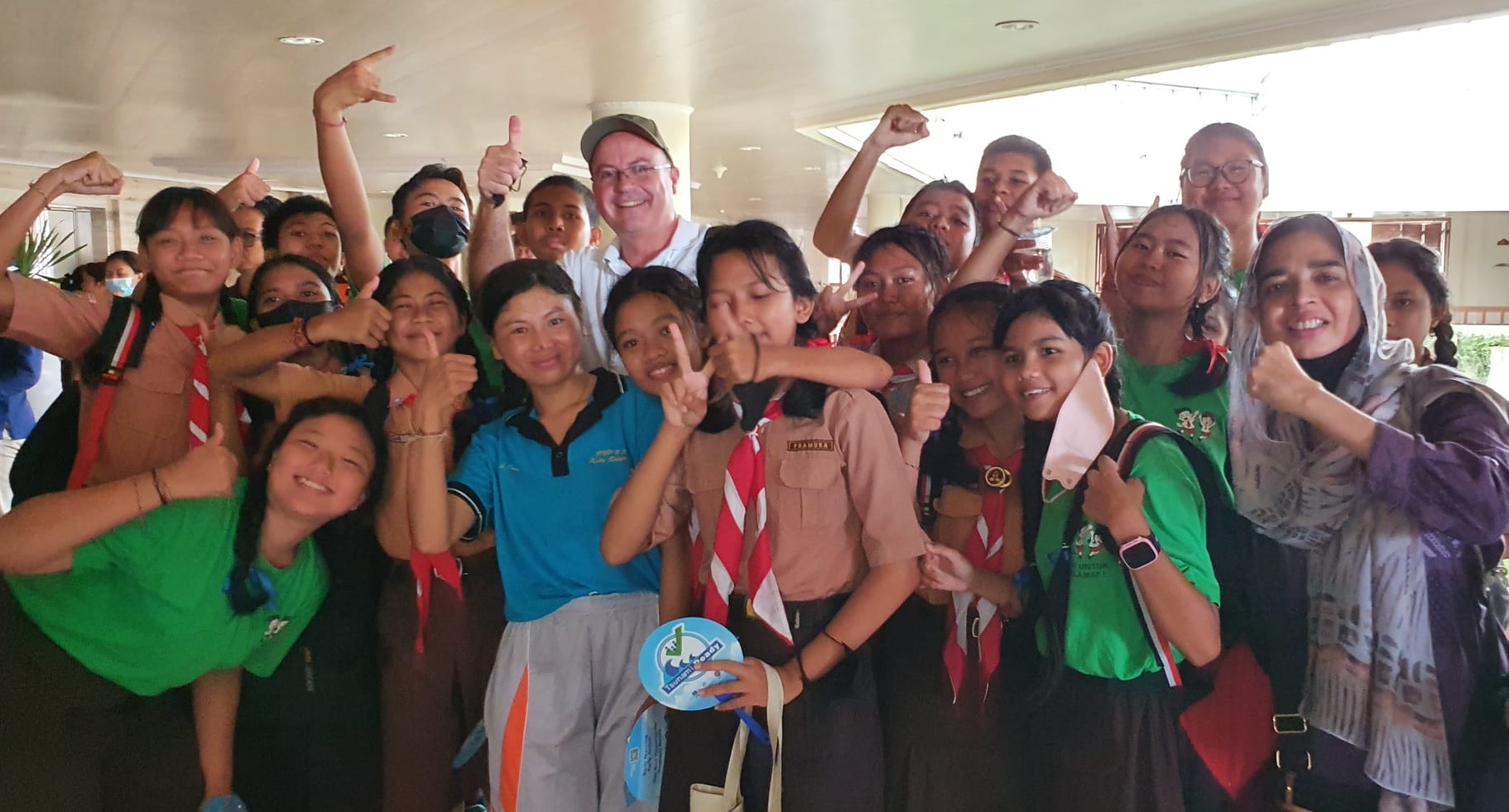
Photo: School tsunami evacuation drill in Tanjung Banoa, Bali, Indonesia on 25 November 2022.
The Indian Ocean Tsunami Ready Hybrid Workshop was hosted by Indonesia’s Agency of Meteorology, Climatology and Geophysics and organised by the Indian Ocean Tsunami Information Center and the ICG/IOTWMS Secretariat. Funding to support the workshop was provided by Government of Republic of Indonesia, Government of Australia, and UNESCAP. The workshop was attended by 8 representatives of 2 United Nations agencies and 270 participants (90 in-person and 180 online) from 29 countries including Australia, Bangladesh, Brazil, Egypt, Finland, France, Germany, India, Indonesia, Iran, Kenya, Madagascar, Malaysia, Maldives, Mauritius, Mozambique, Myanmar, Oman, Pakistan, Saudi Arabia, Seychelles, South Africa, Spain, Sri Lanka, Tanzania, Thailand, Timor Leste, United Arab Emirates and the United States.
Assessing and Monitoring the Evolution of Sea Level Related Hazards Risk Perception in the NEAM region
The Intergovernmental Coordination Group for the North-eastern Atlantic, Mediterranean and Connected Seas Tsunami Early Warning and Mitigation System (ICG/NEAMTWS), organized on 9 November, 2022 under Working Group 4 on Public Awareness, Preparedness and Mitigation a hybrid webinar on tsunami risk perception studies within the NEAM region. Recent studies were discussed such as the Centro Allerta Tsunami Istituto Nazionale di Geofisica e Vulcanologia (CAT-INGV) Central and Southern Italy, the Assessment STrategy And Risk for Tsunami (ASTARTE) project funded by the European Union, and the ongoing IOC-UNESCO and EU-DG-ECHO “CoastWAVE” project sea level related hazards risk perception survey questionnaire. The aim of the webinar was to discuss on the state of knowledge on hazard risk perception in the region, one of the key objectives under pillar three on Awareness and Response of the new ICG/NEAMTWS 2030 Strategy, hazards and risk perceptions effect behaviors, decision making process, resilience and community preparedness. Surveys and studies will support the design of better education, awareness and communication strategies, as well as the implementation of UNESCO IOC Tsunami Ready Recognized communities.
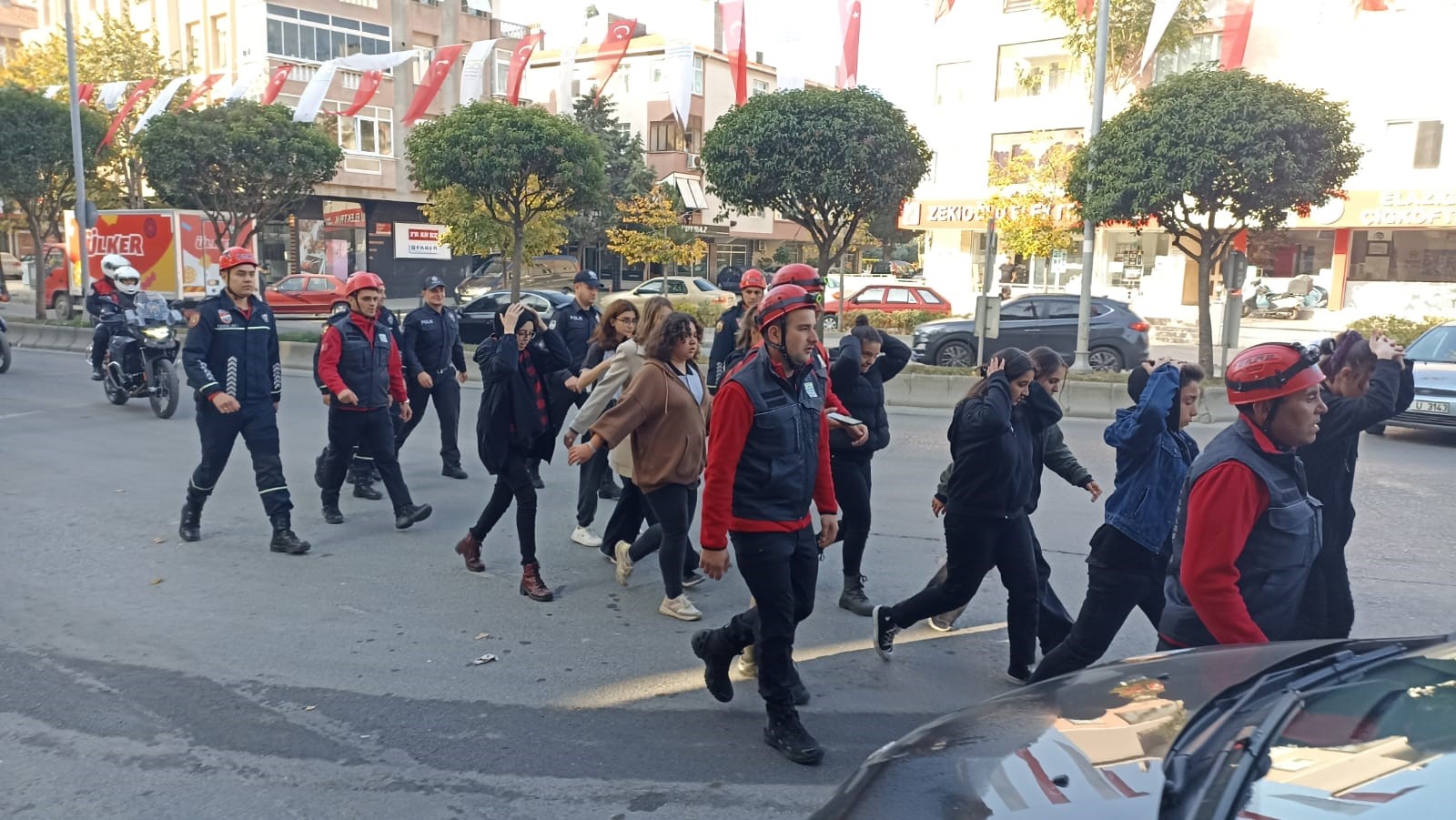
Figure 1. Istanbul Tsunami Drill Exercise, 4 November 2022. Source: IOC-UNESCO
Closing of the TSU/MAB pilot project in the Savegre Biosphere Reserve, Costa Rica: Tsunami simulation and drill exercise and workshop on nature-based solutions to coastal hazards
Tuesday 22 November 2022
On Wednesday 22 November 2022, a final activity of the TSU/MAB Joint Initiative was held with local and national stakeholders, including the Comision Nacional de Emergencias (CNE), the Comite Municipal de Emergencias (CME) of Quepos, the Parque National Manuel Antonio, the Municipality of Quepos, SINAMOT, the MAB Board for the Savegre Biosphere Reserve, ASANA. The meeting took place in the meeting room of Parque Nacional Manuel Antonio and coincided with celebrations for the 50th anniversary of the park.
A tabletop tsunami simulation exercise has held with the CME to test their Emergency Response Plan and Tsunami Standard Operating Procedures which were updated within the scope of the TSU/MAB pilot project. The exercise scenario was based on hypothetical tsunami arriving to the Pacific coast of Costa Rica, originated from a 8.8 magnitude earthquake in Ecuador. A medium level alert was issue and included evacuation of beaches and away from minor inundations zones. During this exercise, the CME therefore had to respond to this tsunami scenario, following procedures for evacuation of local communities to designated safe areas.
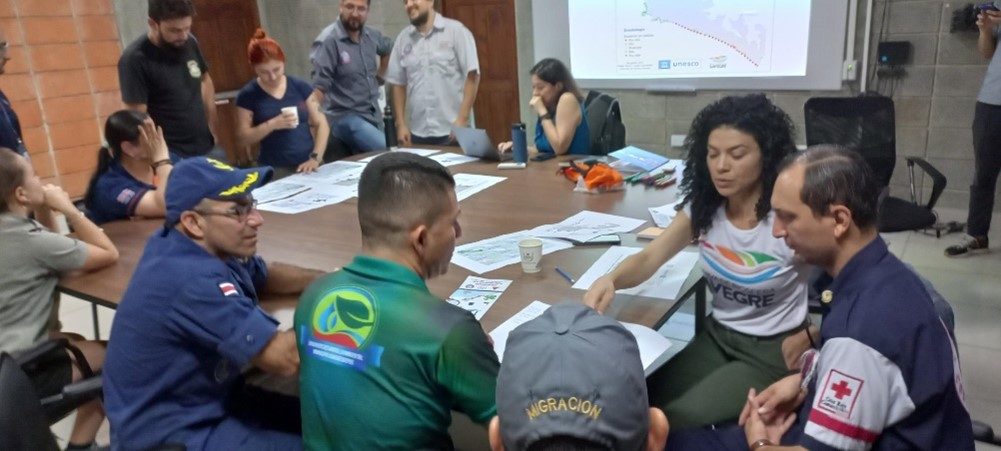
Figure 1. Local stakeholders during tsunami tabletop
simulation exercise on 22 November 2022
COASTWAVE PROJECT ENDORSED AS “UN OCEAN DECADE PROJECT”
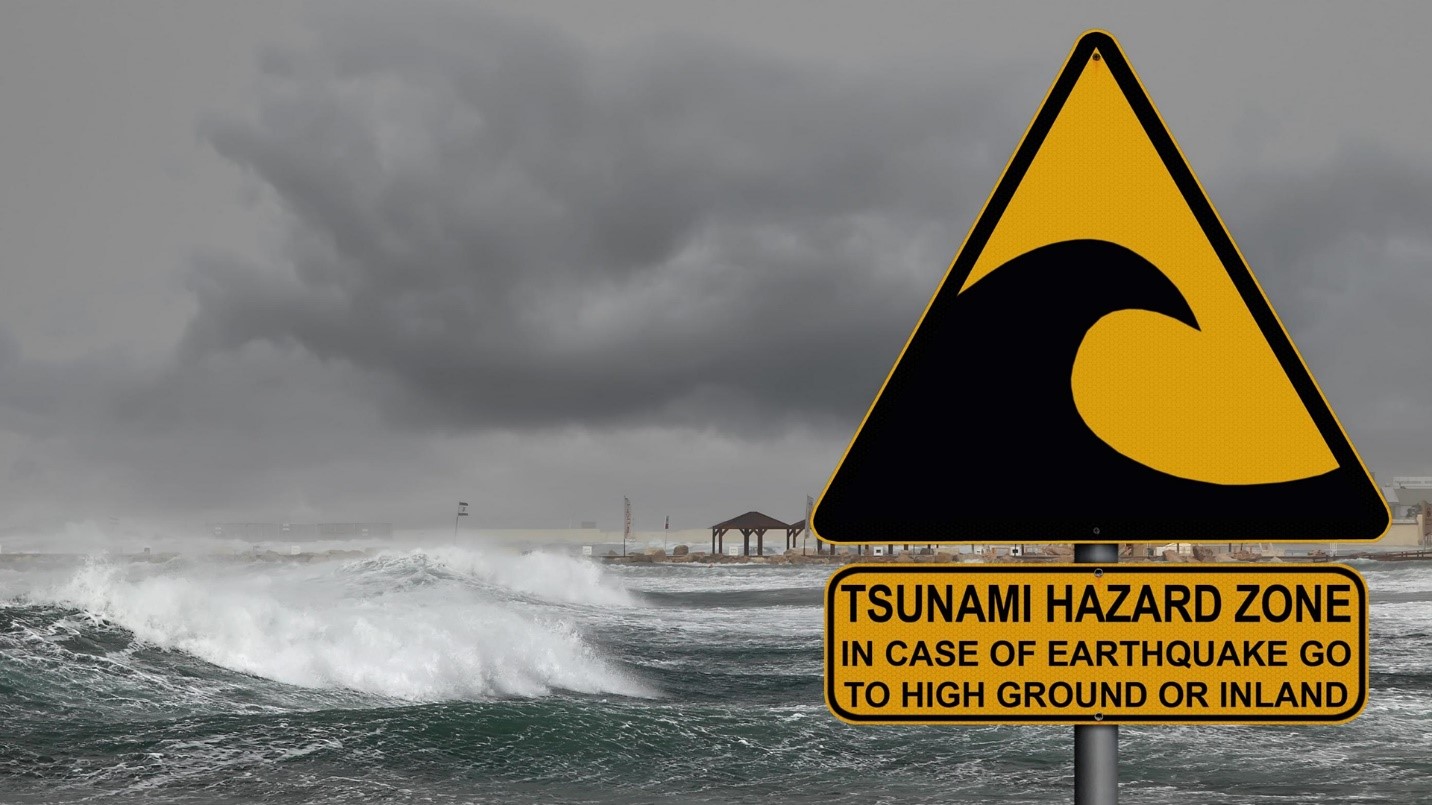
The United Nations Decade of Ocean Science for Sustainable Development (2021-2030), endorsed the IOC-UNESCO and EU Directorate-General for European Civil Protection and Humanitarian Aid Operations (DG ECHO) CoastWAVE project “Strengthening the Resilience of Coastal Communities in the Northeast Atlantic, Mediterranean (NEAM) Region to the Impact of Tsunamis and Other Sea Level-Related Coastal Hazards” on 9 September 2022. The project will run from September 2021 to March 2024. Dr Vladimir Ryabinin, Executive Secretary of IOC-UNESCO expressed that the endorsement of CoastWAVE project is a “milestone in the Ocean Decade Programme” and an “engagement and commitment to the Ocean Decade vision”.
Source: IOC-UNESCO
Eigth session of PTWS WG 2 on Tsunami Detection, Warning and Dissemination; Task Team Seismic Data Sharing in the Southwest Pacific
8th Session of the PTWS Working Group 2: Tsunami Detection, Warning and Dissemination; Task Team Seismic Data Sharing in the Southwest Pacific
The 8th session of the Pacific Tsunami Warning and Mitigation System (PTWS) Working Group 2 Task Team on Seismic Data Sharing in the Southwest Pacific was hosted by the Government of Tonga through the Tonga Geological Service (TGS) and Tonga Meteorological Service (TMS) on 20th October, 2022 at the Tanoa Dateline International Hotel, Nuku’alofa, Tonga.
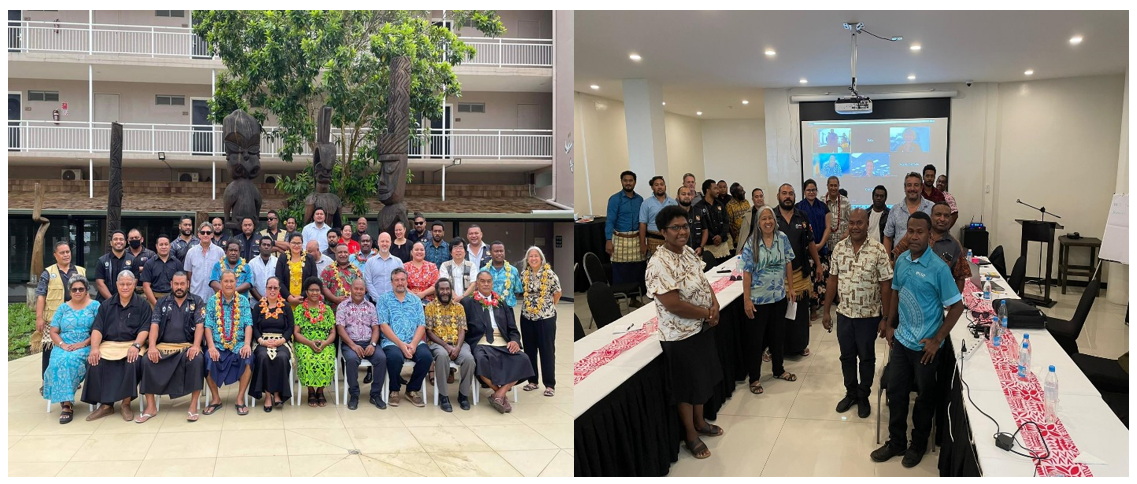
Figure 1: Group Photo at Tanoa Dateline International Hotel, Nuku'alofa, Tonga
In opening the meeting, the Chief Executive Officer for Ministry of Lands and Natural Resources, Ms. Rosamond Bing, stated “The meeting this week provides an opportunity for us to engage with our partners and share experiences to ensure we are better prepared prior to and during disaster events. It’s important that our multi-hazard early warning systems work and let’s work together to address our challenges. Most importantly to ensure the people receive the warnings and know what to do” Rosamond also stressed the importance of being resilient and shared her experience during Hunga Tonga Hunga Ha’apai eruption.
More Articles...
- Five-day tsunami modelling training for the Peruvian Navy Tsunami Warning Center conducted in Callao, Peru
- Dialogue: How to holistically address requirements, challenges and opportunities of effective local tsunami warning in the multi-hazard disaster risk mitigation context
- TSU/MAB Joint Initiative speaks at the 10th Meeting of the World Network of Island and Coastal Biosphere Reserves
- Celebrating Ten Years of Tsunami Early Warning Operations in North-eastern Atlantic, Mediterranean and Connected Seas
About the Tsunami Programme
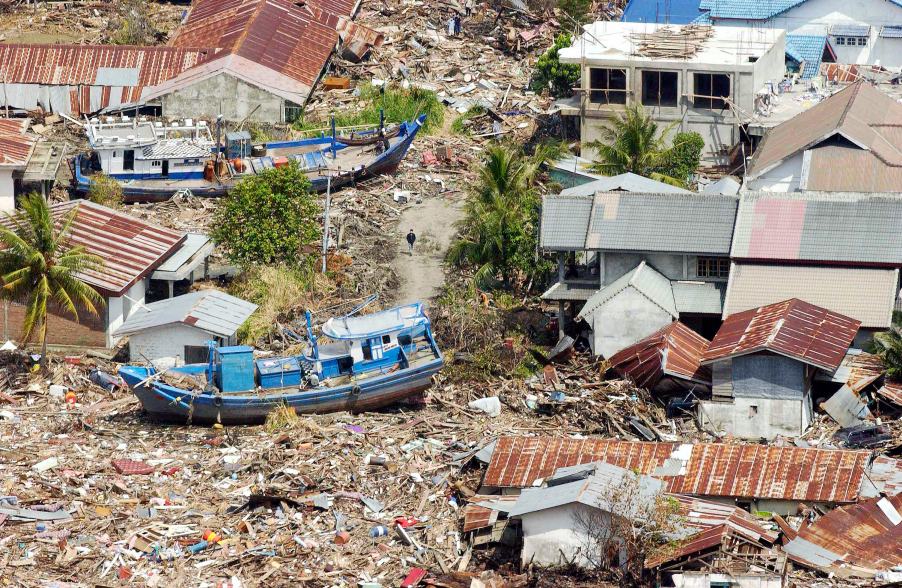
The Indonesian coast, between Banda Aceh and Meulaboh, after the earthquake and the tsunami of 26 December 2004. Photo by Evan Schneider © UN Photo
UNESCO supports Member States in improving capabilities for tsunami risk assessment, implementing early warning systems and enhancing preparedness of communities at risk. UNESCO works closely with national institutions and promotes inter-institutional and regional cooperation. Specialized regional centers provide tsunami information that, together with national analysis, is the basis of the warnings issued for the public. In addition, UNESCO promotes community-based approaches in the development of response plans and awareness campaigns which strongly involve education institutions and end-users.
Upcoming Events
7 August 2024
19 August 2024
19 - 30 August 2024
Chile