Sea Level Monitoring
TSU/MAB Coastal Hazards Project
Fourteenth Session of the Intergovernmental Coordination Group for the Tsunami Early Warning and Mitigation System in the North-eastern Atlantic, the Mediterranean and Connected Seas (ICG/NEAMTWS-XIV): Third Successful Tsunami Exercise
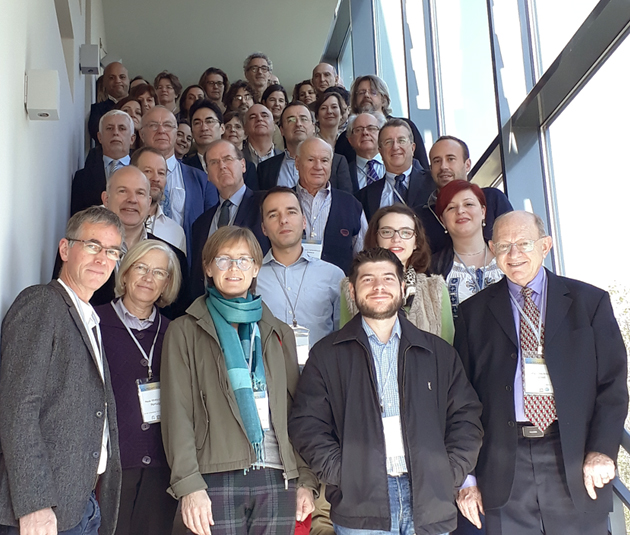
The Fourteenth Session of the Intergovernmental Coordination Group for the Tsunami Warning and Mitigation System in the North-eastern Atlantic, the Mediterranean and connected seas (ICG/NEAMTWS) was held from 21–23 November 2017, Lisbon, Portugal and hosted by the Instituto Português do Mar e da Atmosfera (IPMA).
Participants reviewed the progress made in the implementation of the NEAMTWS. The Group discussed the preliminary evaluation of the NEAMWave17 tsunami exercise (31 October - 3 November 2017) that tested the system in both its up-stream and down-stream elements. Initial evaluation indicated that NEAMWave 17 had been very useful and yielded satisfactory performance. NEAMWave17 saw a significant increase in media interest in the exercise. A more extensive exercise report will be available in the 1st quarter of 2018. Member States informed about several awareness raising efforts on tsunami hazards and preparedness that were contributions to World Tsunami Awareness Day (5 November 2017).
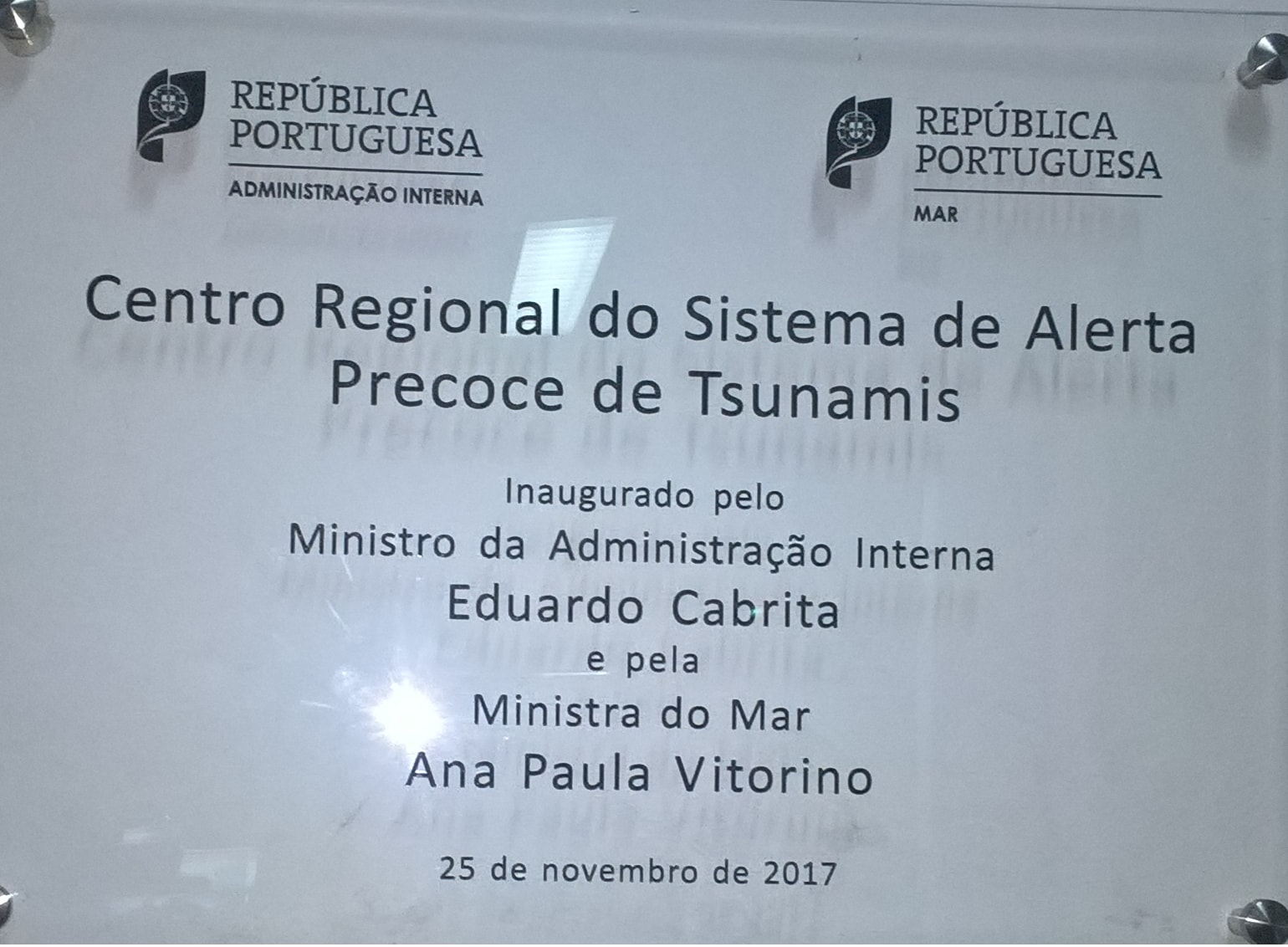
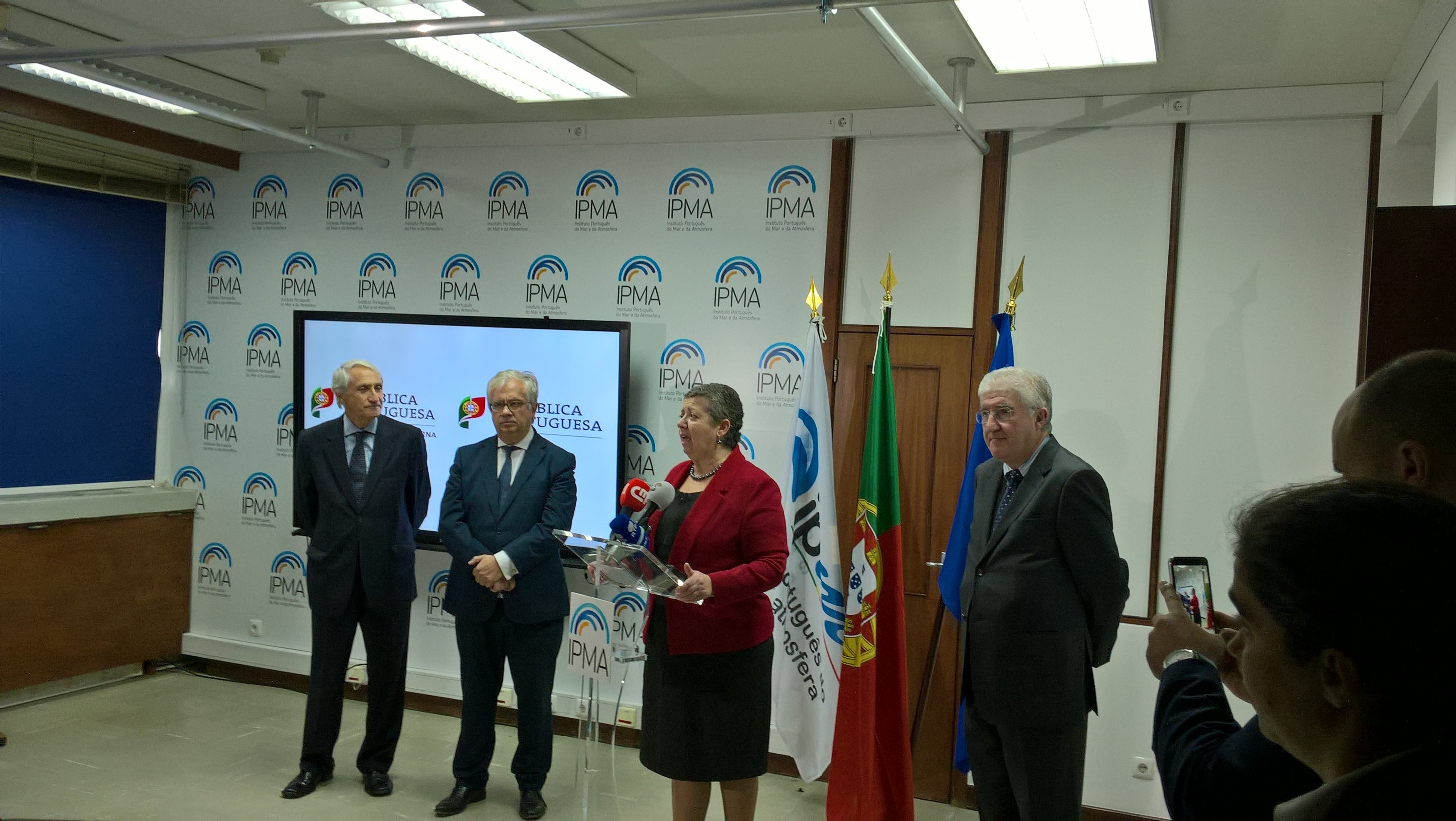
Inauguration of the Portuguese National Tsunami Warning Center, Source: Thorkild Aarup, IOC/UNESCO
Portugal informed that its National Tsunami Warning Center is now formally opened and hosted at the Instituto Português do Mar e da Atmosfera (IPMA). The Center has informed IOC that it is ready to serve as a Candidate Tsunami Service (CTSP) Provider for the NEAM region. The Portuguese National Tsunami Warning Center was formally inaugurated on Saturday 25 November 2017 by HE Eduardo Cabrita (Minister for Minister of Internal Administration) and HE Ana Paula Vitorino (Minister of Sea).
The ICG discussed evaluation and lessons learned from recent tsunami events in the NEAM region (e.g. Aegean Sea (12 June and 21 July 2017)).
The ICG was also informed of KOERI’s intention to disseminate, on a trial basis for one year, enhanced products (travel time, Tsunami Forecast Point, alert levels, and distance based alert levels maps) to its subscribers stating 1 January 2018. The test will be carried out in cooperation with the Task Team on Operations and Working Group 4 on Public Awareness, Preparedness and Mitigation.
A significant part of the Session focused on exploring community preparedness and recognition programs, such as Tsunami Ready, and examining possible adaptation for the NEAM region.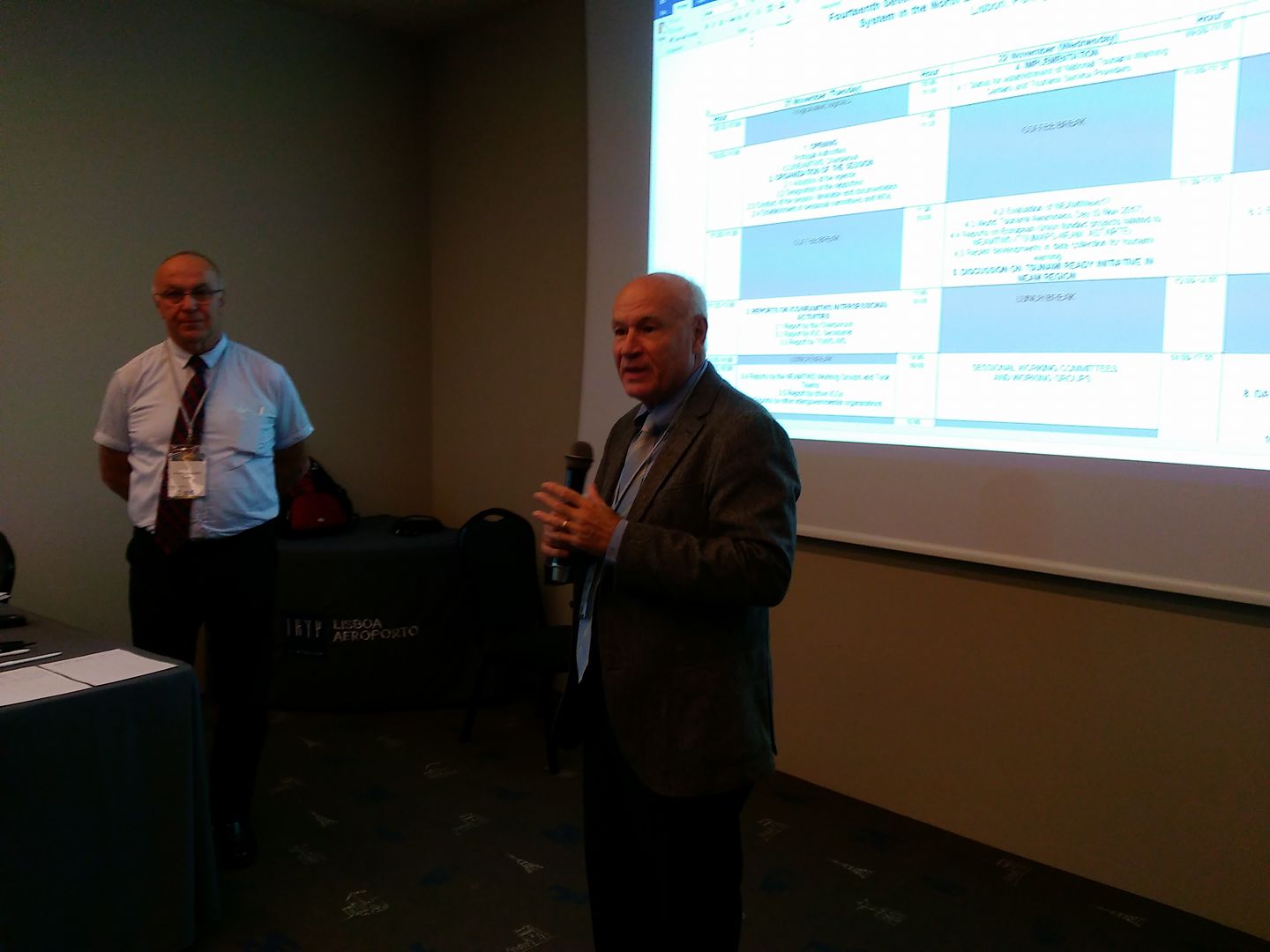
Dr Ahmet Yalciner (left) and incoming chair of ICG/NEAMTWS Dr. Gerassimos Papadoupolos (right)
Source: Denis Chang Seng, IOC/UNESCO
Finally, new officers of ICG/NEAMTWS were elected – Dr. Gerassimos Papadoupolos (Greece) as chair. Dr Anna von Gyldenfeldt (Germany) and Dr Stefano Lorito (Italy) were re-elected as vice chairs. Professor Ahmet Yalciner was thanked and congratulated for his excellent leadership during his tenure as chair (2013-2017). A number of people were also elected for chair and co-chairs of the Working Groups and Task Teams (see NEAMTWS web-page).
The Fourteenth Session of ICG/NEAMTWS was attended by 53 participants from 12 member states and five observer organizations, including the UNISDR.
Tsunami Evacuation Maps, Plans, and Procedures (TEMPP) Training in the Indian Ocean
An IOC-UNESCO Training-of-Trainers course on Tsunami Evacuation Maps, Plans, and Procedures (TEMPP) was organised by the IOTIC, BMKG and the ICG/IOTWMS Secretariat in Citeko, Indonesia on 13-23 November 2017. Twenty-two participants from six Indian Ocean countries, mainly India, Indonesia, Malaysia, Maldives, Oman, and Seychelles, participated in the training. The trainers for this course included experts from IOC-UNESCO ITIC and IOTIC, ICG/IOTWMS Secretariat, NOAA-USA, Indonesian agencies BMKG, ITB, BNPB, and BPPT and INCOIS-India. IOC-UNESCO is grateful to the BMKG, Government of Indonesia for their support in hosting this important training course.
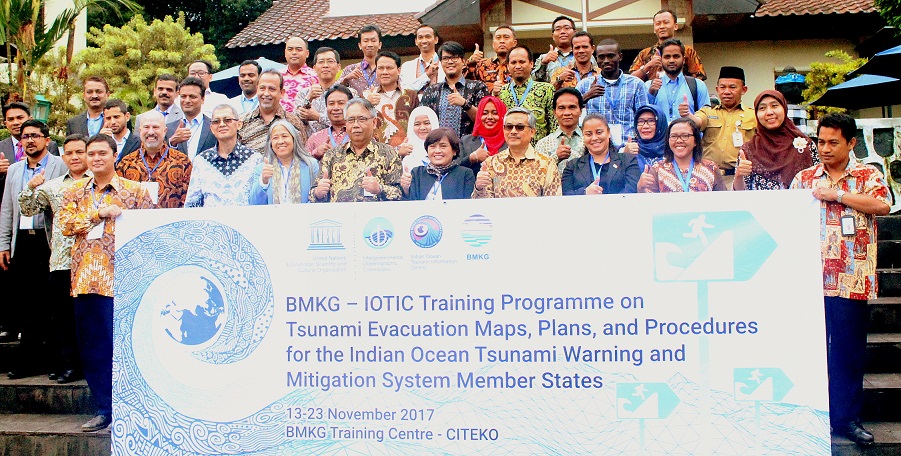
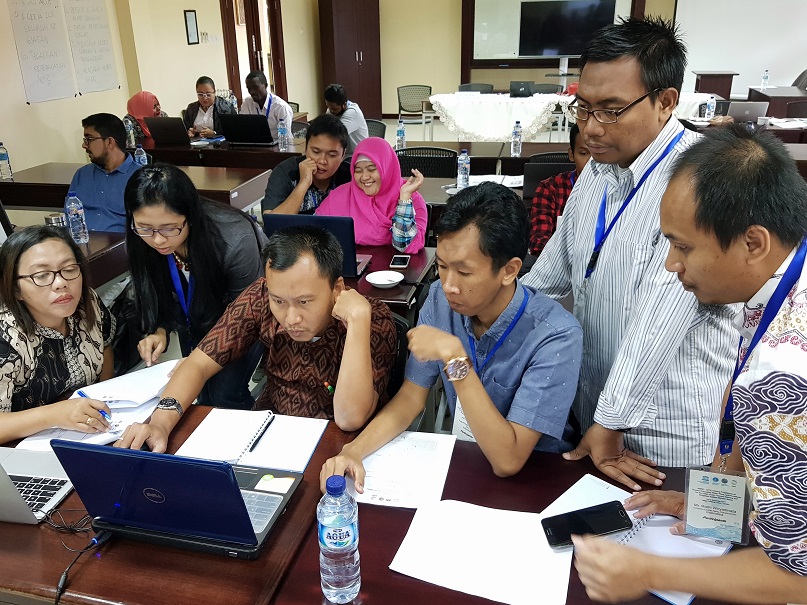
This training enhanced capacities of participating Member States to produce reliable and practical, science-based, community-driven tsunami evacuation maps, and is expected to serve as an important step towards piloting the Indian Ocean Tsunami Ready Programme in the Indian Ocean. The training was successful in creating a pool of trainers who would be able to guide coastal communities in their respective countries to establish tsunami evacuation maps, plans and procedures. These products will be utilised to pilot the Indian Ocean Tsunami Ready Programme during the IOWave18 tsunami drill on 4-5 September 2018.
A second TEMPP training course for Indian Ocean Member States will be held during the first half of 2018 and will be aimed at countries who did not participate in the 2017 TEMPP training course.
Dealing with tsunamis in the Caribbean - Practical workshops
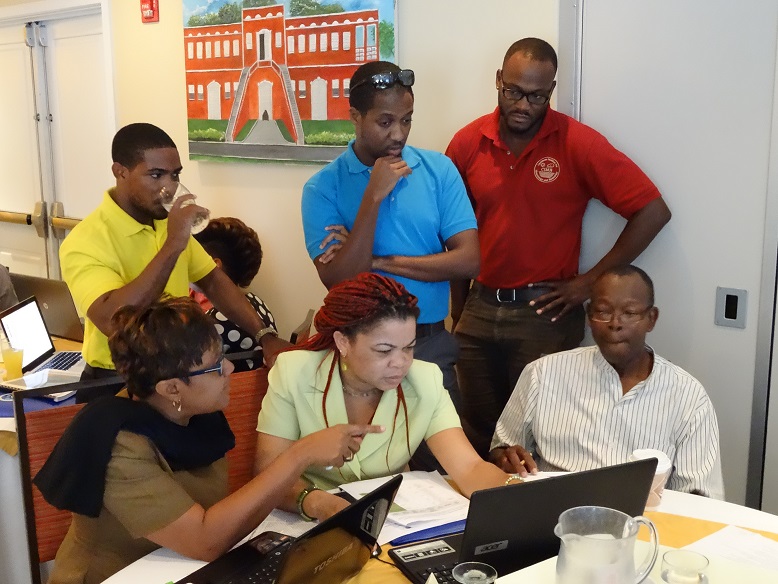 With the financial, technical and administrative support of various partners, including the Government of the Netherlands, the UNESCO-IOC Caribbean Tsunami Information Center (CTIC) is organizing a Regional Training Workshop on Pacific Tsunami Warning Center (PTWC) Enhanced Tsunami Products in Cartagena, Colombia from 31 October to 2 November 2017. The training will benefit twenty-six participants from fifteen Member States of the Intergovernmental Coordinating Group for the Tsunami and Other Coastal Hazards System for the Caribbean and Adjacent Regions (ICG/CARIBE EWS).
The Caribbean and its adjacent regions are prone to earthquakes and tsunamis. Over the last ten years, there have been significant improvements in analyzing earthquakes, modelling tsunamis and distributing information, allowing national disaster management officials to effectively receive, analyze and take appropriate action based on the PTWC tsunami forecasts.
Due to the impacts of extreme weather events during the 2017 hurricane season, lessons to be learned, particularly in relation to communications and observing systems, will notably be discussed during the training, in addition to exercises and teaching on various topics ranging from evacuation planning to awareness strategies.
Between 2014 and 2017, more than 250 staff from Caribbean governmental agencies received training on tsunami preparedness and over 1,400,000 people have participated in tsunami evacuation exercises.
2 March 2016 Southwest of Sumatra Earthquake and Tsunami Event
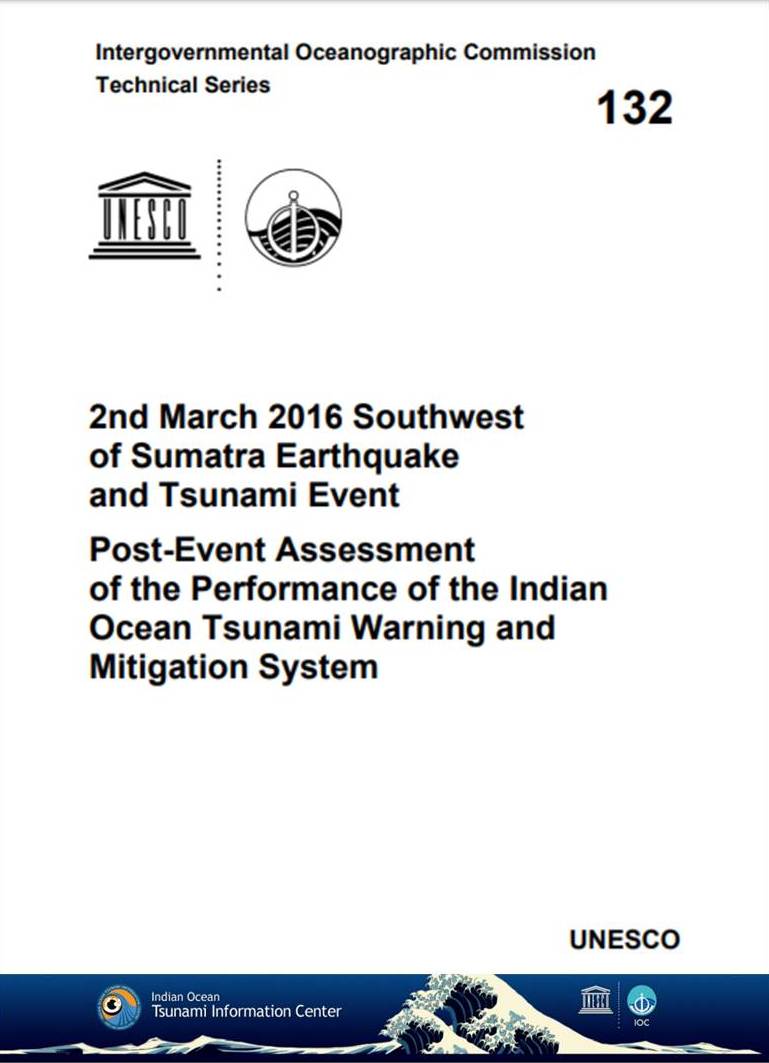
Tsunami post-event assessments provide insight into the performance of end-to-end early warning systems. The IOC Working Group on Tsunami and Other Hazards Related to Sea-Level Warning and Mitigation Systems (TOWS-WG) has established criteria for when to conduct a post-event assessment. The magnitude 7.8 earthquake that occurred to the southwest of Sumatra, Indonesia on 2 March 2016 met these criteria.
The IOTWMS Secretariat and the Indian Ocean Tsunami Information Centre (IOTIC) conducted an online post-event assessment survey to evaluate the performance of the IOTWMS and to provide a benchmark of the status of the system. The survey addressed six main areas of an end-to-end warning system, including upstream and downstream components, viz. the Tsunami Service Providers (TSPs); national actions; national response; monitoring and modelling; community preparedness; and capacity development requirements.
The post-event assessment report is available here.
 Some highlights and findings include:
- All countries that responded to the survey reported having received tsunami threat information from the TSPs.
- Five countries including Australia, India, Indonesia, Seychelles and Sri Lanka issued national tsunami warnings.Community evacuations were conducted in Indonesia as well as Australia’s Cocos Island and Christmas Island.
- Several countries reported having national standard operating procedures for tsunami.
- Half of reporting countries held some community preparedness activities prior to the event.
-
- Community awareness training was noted as the leading capacity development requirement.
The decisions of ICG/IOTWMS to pilot the Tsunami Ready programme, finalise the Indian Ocean Tsunami Ready (IOTR) guidelines and conduct ongoing training on development of standard operating procedures as well as Tsunami Evacuation Maps, Plans & Procedures (TEMPP) are expected to enhance the capacity of vulnerable communities to respond appropriately to tsunami threats.
Spain’s Efforts and Challenges in Developing a Tsunami Early Warning and Mitigation System
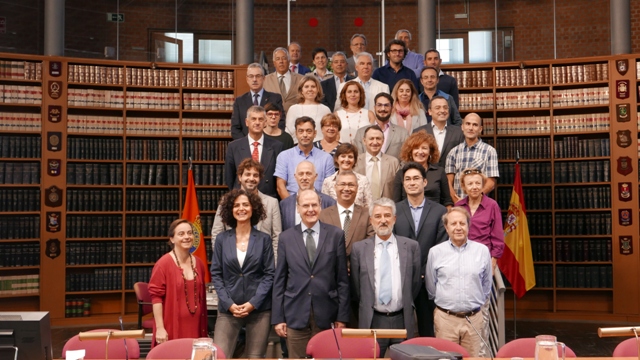
A tsunami information meeting was organized in Madrid, Spain from 25-26 September 2017 by the Protección Civil y Emergencias, the Instituto Español de Oceanografía and the Intergovernmental Oceanographic Commission of UNESCO in the context of the North-eastern Atlantic, the Mediterranean and Connected Seas Tsunami Warning and Mitigation System (NEAMTWS).
The meeting was hosted at the National School of the Protección Civil y Emergencias. This was the first time that an national information meeting was organized by a Civil Protection Authority under the umbrella of the NEAMTWS.
The information meeting provided a status and overview of Spain’s effort and challenges in developing tsunami hazard assessments, and a National Tsunami Warning Centre. Participants were also informed about the current status of the North-eastern Atlantic, Mediterranean and connected sea Tsunami Warning and Mitigation System (NEAMTWS), the planned NEAMWave 17 Tsunami Exercise to be conducted between 31 October-3 November 2017, and the World Tsunami Awareness Day (5 November 2017).
Key recommendations highlighted the need to develop unified criteria and approaches for developing tsunami risk maps, and the importance of consolidation, integration, and management of tsunami risk information by all national actors involved.
The meeting was attended by more than 50 participants mainly from Spain and some visiting experts from Civil Protection Authorities in Italy and Greece. Agenda and presentations available at:http://www.ioc-unesco.org/index.php?option=com_oe&task=viewEventRecord&eventID=2005
More Articles...
- Results of the First Probabilistic Earthquake-Induced Tsunami Hazard Assessment for the Coastlines in the North eastern Atlantic, Mediterranean and Connected Seas Region and Preparations for the Third Regional Tsunami Exercise
- 1st Integrated Intersessional Meetings of ICG/IOTWMS
- Plans and Procedures for Tsunami Warning and Emergency Management
- Milestone in the Development of the NEAMTWS: Four Tsunami Service Providers received Certificate of Accreditation at the 29th Session of the Intergovernmental Oceanographic Commission (IOC) Assembly, 27 June 2017
About the Tsunami Programme
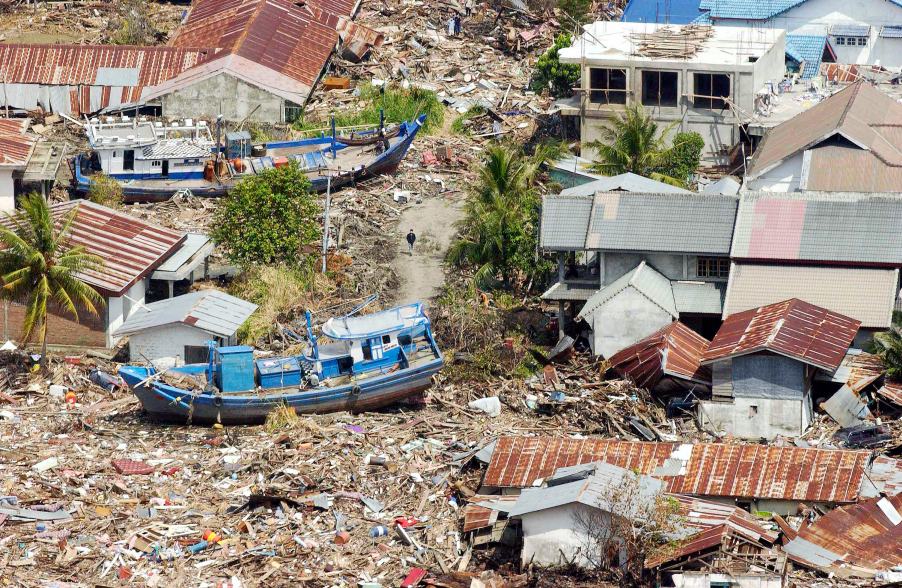
The Indonesian coast, between Banda Aceh and Meulaboh, after the earthquake and the tsunami of 26 December 2004. Photo by Evan Schneider © UN Photo
UNESCO supports Member States in improving capabilities for tsunami risk assessment, implementing early warning systems and enhancing preparedness of communities at risk. UNESCO works closely with national institutions and promotes inter-institutional and regional cooperation. Specialized regional centers provide tsunami information that, together with national analysis, is the basis of the warnings issued for the public. In addition, UNESCO promotes community-based approaches in the development of response plans and awareness campaigns which strongly involve education institutions and end-users.
Upcoming Events
7 August 2024
19 August 2024
19 - 30 August 2024
Chile