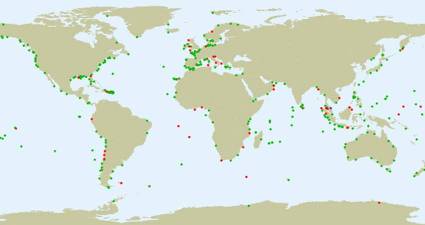
Sea Level Monitoring
TSU/MAB Coastal Hazards Project
Tsunami Warning and Mitigation System Factsheets
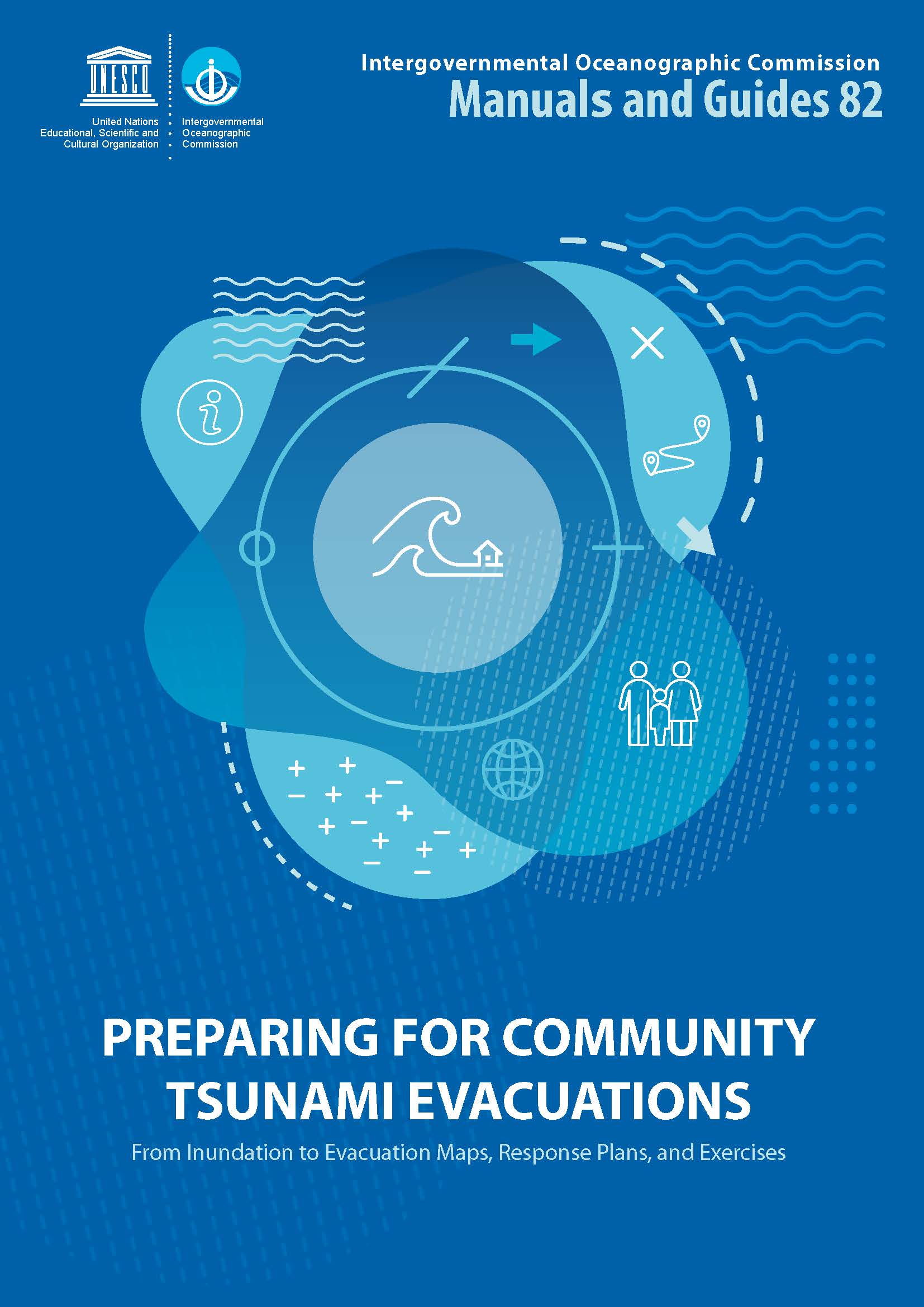
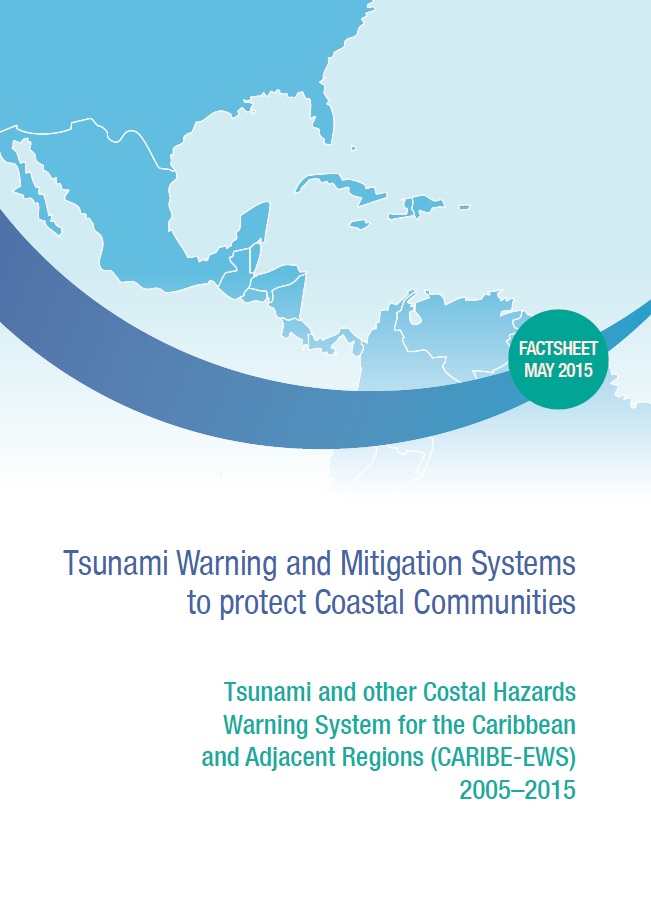
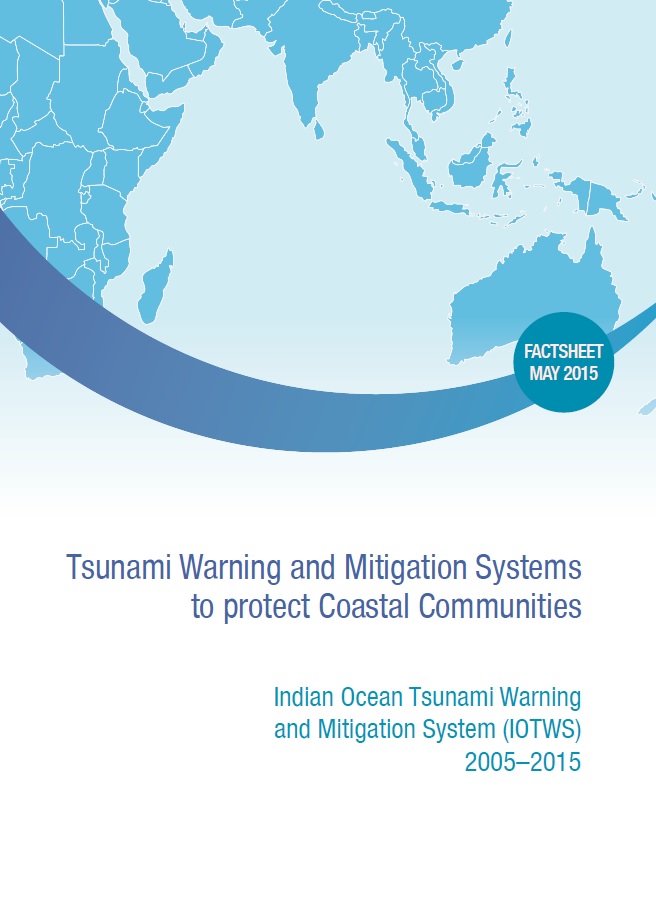
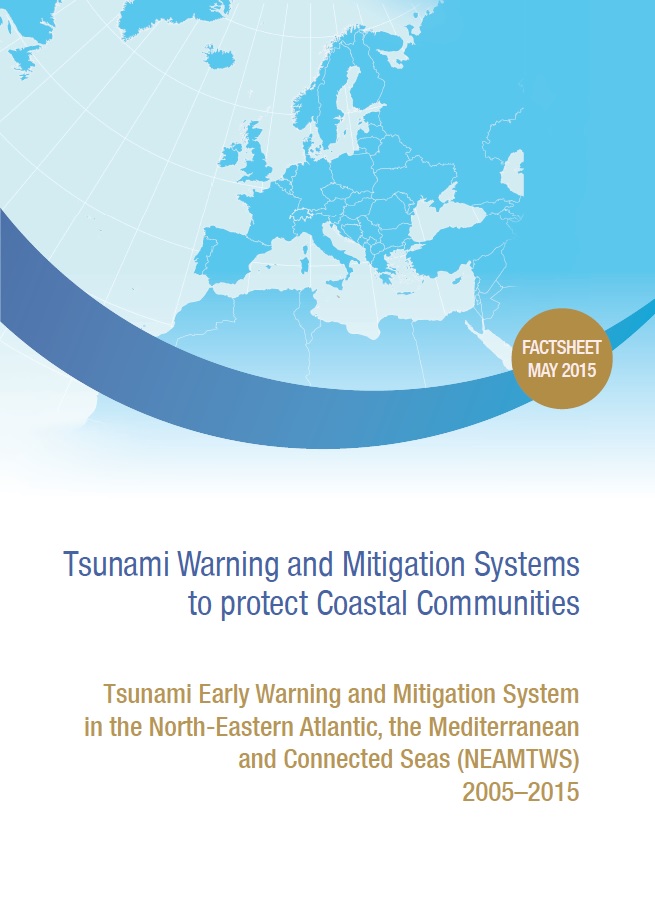
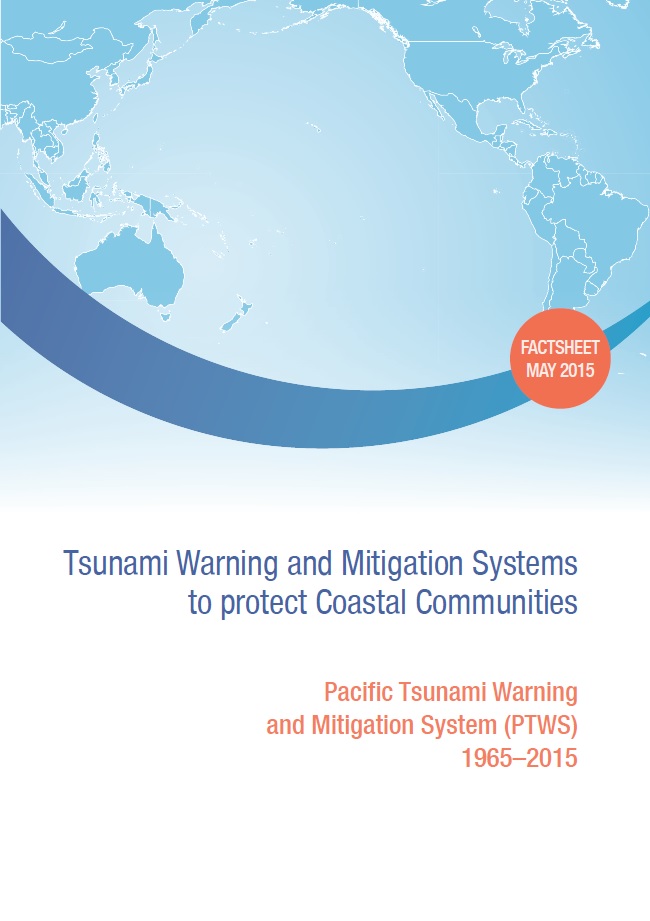
This year (2015) marks the 50th anniversary of the Pacific Tsunami Warning and Mitigation System (PTWS) and the 10th anniversaries of the Caribbean (CARIBE-EWS), Indian Ocean (IOTWS), and North-eastern Atlantic and Mediterranean (NEAMTWS) Tsunami Warning and Mitigation Systems. The latter three systems were established in response to the catastrophic Indian Ocean Tsunami of 26 December 2004, which resulted in the loss of over 230,000 lives and the displacement of over 1.6 million people around the Indian Ocean. In order to capture the current state of these systems and recognise the advancements in end-to-end tsunami warning over the last decade, IOC-UNESCO has published factsheets on the CARIBE-EWS, IOTWS, NEAMTWS, and PTWS.
The factsheets detail the substantial advancements there have been in the four systems since they were established, including the deployment status of earthquake and sea-level networks, the active investments of Member States in establising National Tsunami Warning Centres, and their participation in the coordination of meetings and exercises.The factsheets provide information on the membership, terms of reference, funding and governance of the systems, and details of the detection and monitoring networks, earthquake source zones monitored and summaries of the bulletins issued by the Tsunami Service Providers for each region.
To view the factsheets click on the images below.
CARIBE-EWS IOTWS NEAMTWS PTWS
10th Session of the ICG/IOTWS held in Muscat, Oman, 24-26 March
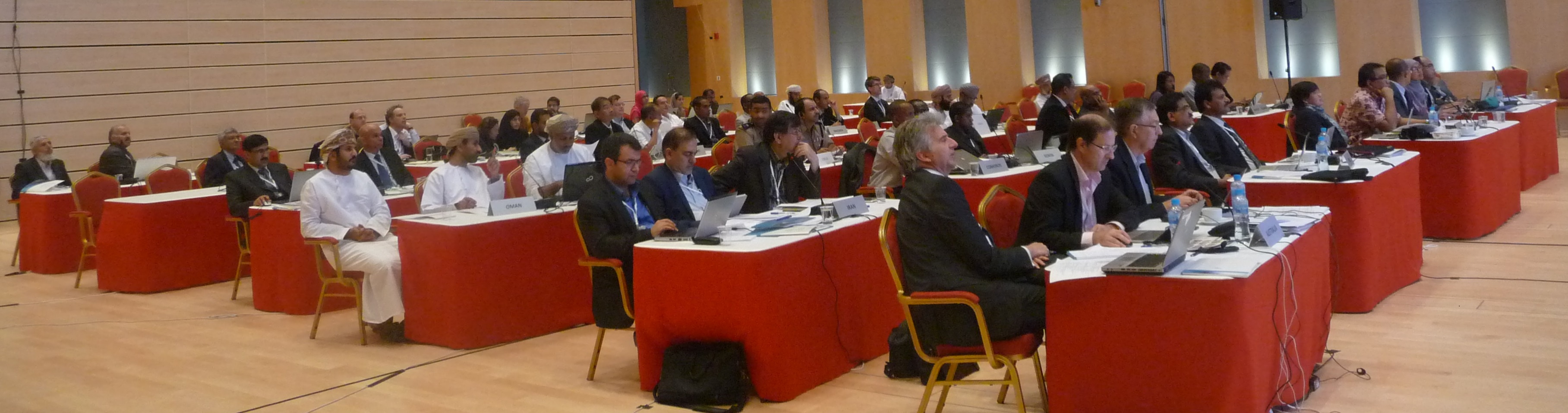
The 10th Session of the Intergovernmental Coordination Group for the Indian Ocean Tsunami Warning and Mitigation System (ICG/IOTWS-X) has been held in Muscat, Oman, 24-26 March, hosted by the Public Authority for Civil Aviation (PACA) of the Sultanate of Oman. The session was held immediately following the highly successful regional conference on “Reducing Tsunami Risk in the Western Indian Ocean” and the inauguration of Oman’s National Multi-Hazard Early Warning System. The session was opened by the IOC Executive Secretary, Dr Vladimir Ryabinin, and was attended by 73 participants representing 20 IOTWS Member States, 5 UN agencies and other organisations and 17 other observers.
The key outcomes of the session were: 1) the establishment of a sub-regional Working Group for the Northwestern Indian Ocean chaired by Dr Juma Al-Maskari (Oman), 2) the merging of Working Group 1 on Tsunami Risk Assessment and Reduction and Working Group 3 on Tsunami Awareness and Preparedness into and a new Working Group 1 on “Tsunami Risk, Community Awareness and Preparedness” chaired by Dr Harkunti Rahayu (Indonesia), 3) the endorsement of the Terms of Reference of the Indian Ocean Tsunami Information Centre (IOTIC) and 4) the endorsement of the IOTWS Tsunami Service Provider (TSP) Service Definition Document.
The ICG elected new officers for the next intersessional period: the Chair is Dr Srinivasa Kumar (India) and the Vice Chairs are Dr Juma Al-Maskari (Oman) and Prof S.S.L. Hettiarchchi (Sri Lanka).
Full details of the delegates, documents and presentations can be found on the meeting website: www.ioc-unesco.org/iotws-10.
Successful cooperation on disaster risk reduction (2010-2015) between the European Commission’s Humanitarian aid and Civil Protection department (ECHO) and UNESCO

Cooperation between UNESCO and the European Commission’s Humanitarian aid and Civil Protection department (ECHO) has developed significantly since UNESCO started to apply for calls under the disaster preparedness ECHO programme (DIPECHO) and under prevention and preparedness programme (Civil Protection), which targets vulnerable communities living in the main disaster-prone regions of the world.
The UNESCO Regional Bureau for Education in Latin America and the Caribbean based in Santiago de Chile has successfully carried out several initiatives, starting with the project “Adaptive learning Mechanisms for the prevention and response to tsunami in vulnerable communities in Chile, Colombia, Ecuador and Peru” (2009-2010) under the 5th DIPECHO Action Plan for South America. That initiative also involved UNESCO’s Intergovernmental Oceanographic Commission (IOC) as well as local, national and regional partners.
The main goal of this project was to raise awareness and promote education for disaster risk reduction and participation in prevention and response to tsunamis and earthquakes. In addition, the project aimed to improve regional and inter-institutional cooperation and coordination in preparation for tsunamis, including integrating a risk-management approach into the education sector.
Summary Statement from the IOC-UNESCO – BMKG International Conference to Commemorate the 10th Anniversary of the Indian Ocean Tsunami, Jakarta, Indonesia, 24-25 November 2014
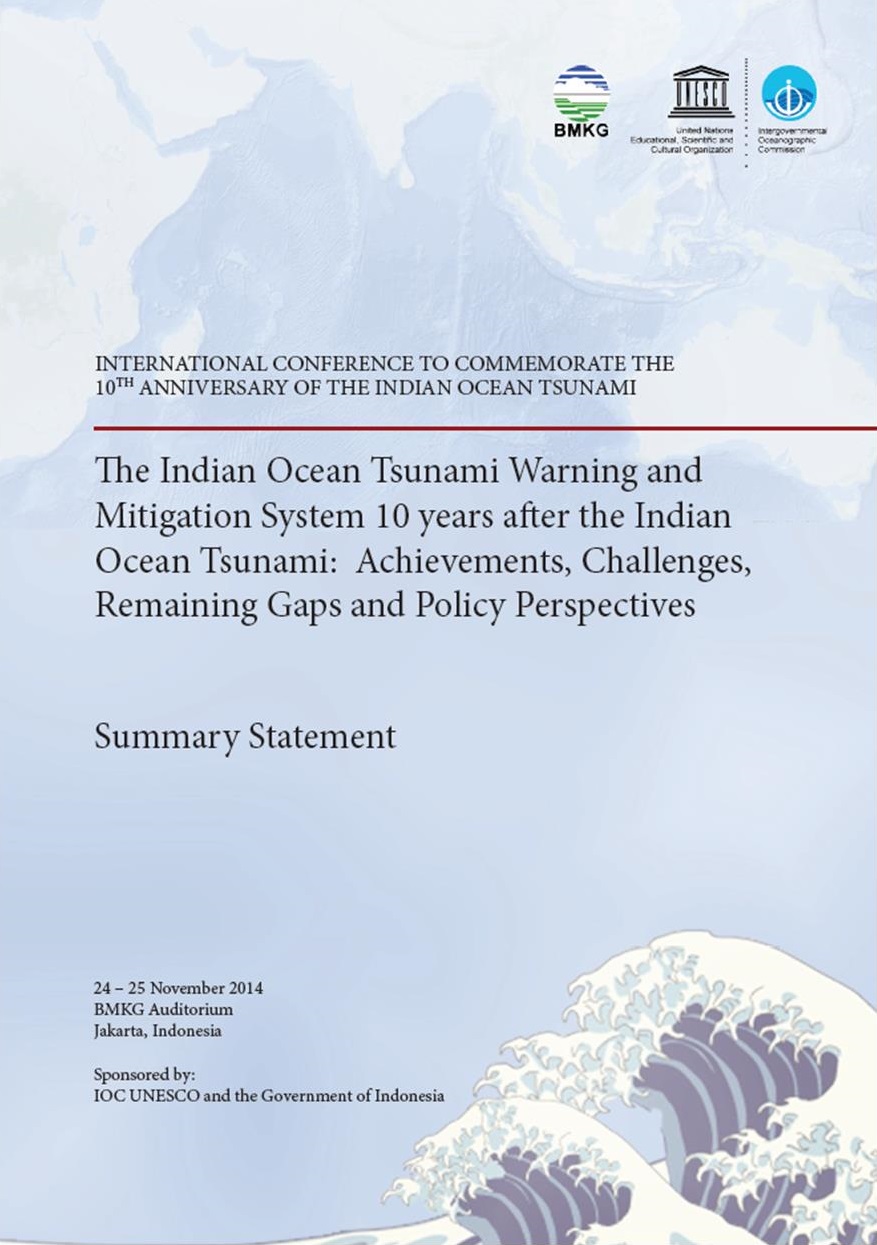 The Summary Statement from the IOC-UNESCO – BMKG International Conference to commemorate the 10th Anniversary of the Indian Ocean Tsunami is now available for download. The conference was held on 24-25 November 2014 at the BMKG Auditorium in Jakarta, Indonesia and was attended by 160 participants from 28 countries, 10 UN agencies, 10 media organisations and many NGOs, research institution, universities and private organisations. The participants came from a variety of backgrounds, including physical and social scientists, warning system operators, emergency and response managers, planners, journalists, and policy and decision makers. The conference was organised by IOC UNESCO and BMKG with support from the UNESCO Jakarta office and the Indian Ocean Tsunami Information Centre (IOTIC).
The theme of the conference was "the Indian Ocean Tsunami Warning and Mitigation System 10 years after the Indian Ocean Tsunami: Achievements, Challenges, Remaining Gaps and Policy Perspectives". The statement includes key highlights and recommendations on 1) the development of the IOTWS since 2004, 2) outstanding needs and future developments, 3) donor perspectives, 4) sustainability of the IOTWS, and 5) strengthening international cooperation. The statement has been framed for conveyance to the 3rd UN World conference on Disaster Risk Reduction in Sendai, Japan, 14 – 18 March 2015.
Remembering the 1945 Makran Tsunami – Interviews with Survivors Beside the Arabian Sea
IOC-UNESCO announces the publication of Remembering the 1945 Makran Tsunami – Interviews with Survivors Beside the Arabian Sea. This booklet captures nearly 100 accounts of the 1945 Makran disaster as told by eye-witnesses and second-generation survivors in Pakistan, Iran, Oman and India. The publication is in English and versions in Farsi, Urdu, and Arabic will be available later in 2015.
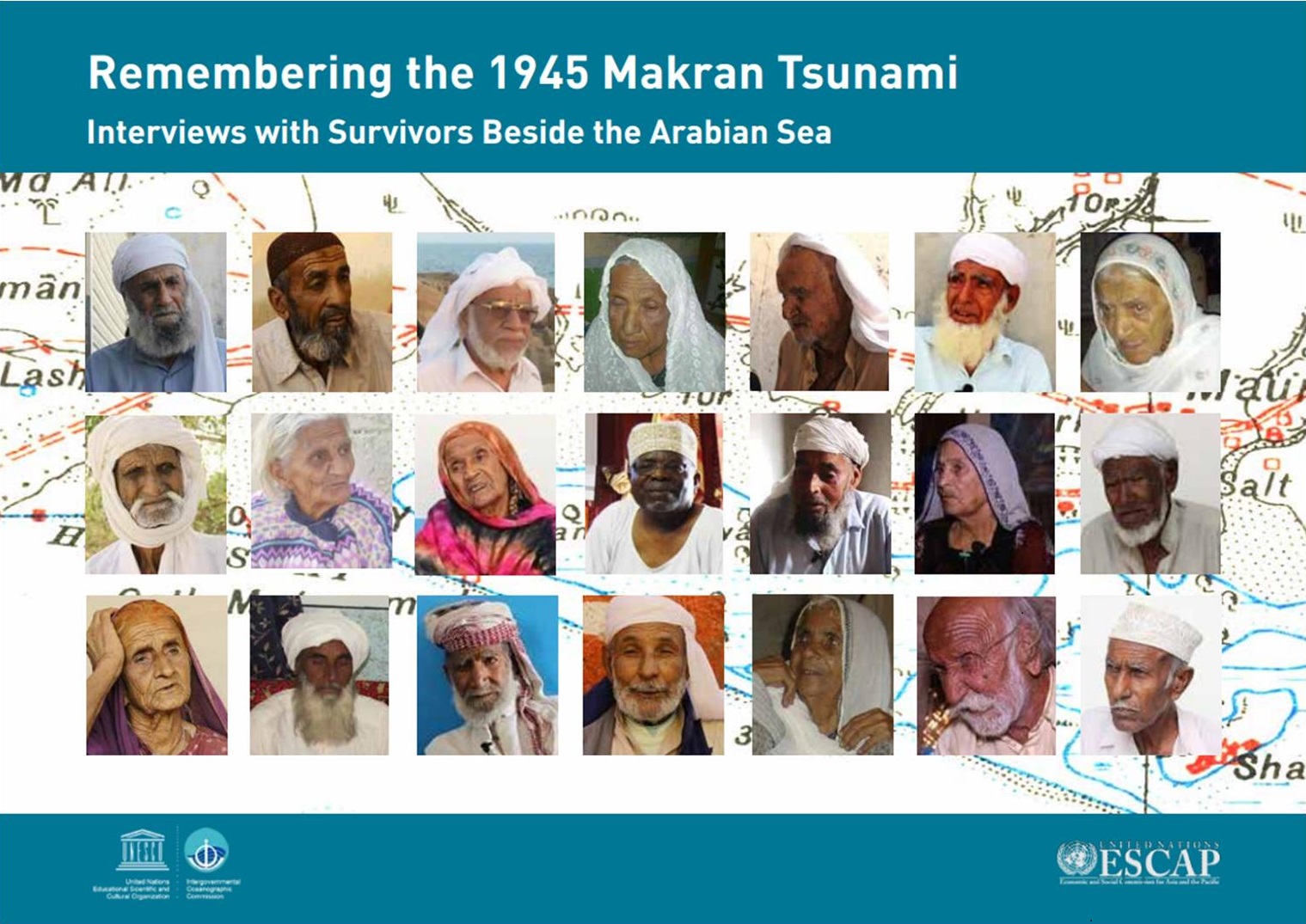
The interviews were carried out between 2008 and 2014, chiefly under United Nations funded projects. Most of the accounts pertain to the 1945 tsunami, but testimony of the 26 December 2004 Indian Ocean tsunami and the Arabian Sea tsunami of 24 September 2013 is also included.
The booklet and video footage from forty of the interviews are available at http://iotic.ioc-unesco.org/1945makrantsunami/.
The booklet has been produced by the IOC-UNESCO Secretariat for the Indian Ocean Tsunami Warning and Mitigation System (IOTWS) in Perth, Australia and the Indian Ocean Tsunami Information Centre (IOTIC) in Jakarta, Indonesia under a project funded by the United Nations Economic and Social Commission for Asia and the Pacific (UNESCAP) Multi-Donor Trust Fund for Tsunami, Disaster and Climate Preparedness.
More Articles...
About the Tsunami Programme
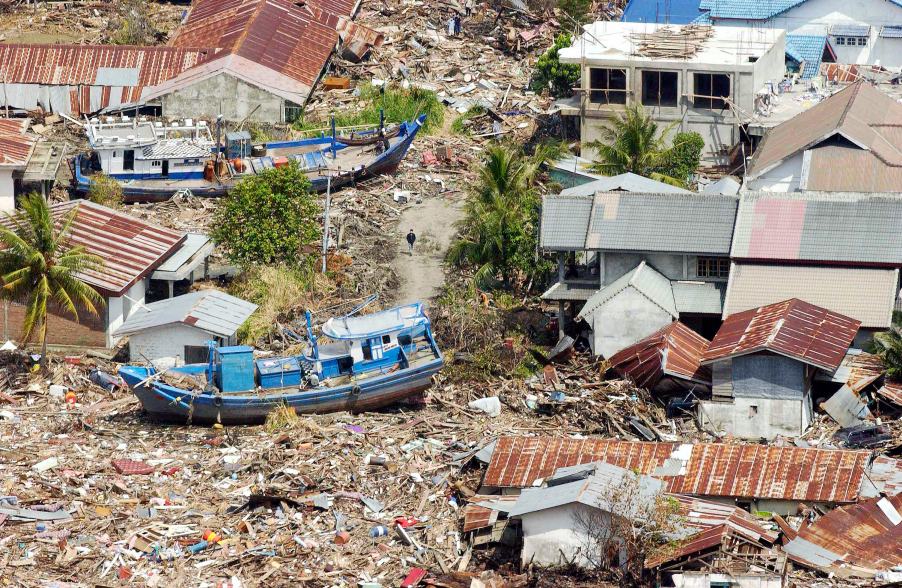
The Indonesian coast, between Banda Aceh and Meulaboh, after the earthquake and the tsunami of 26 December 2004. Photo by Evan Schneider © UN Photo
UNESCO supports Member States in improving capabilities for tsunami risk assessment, implementing early warning systems and enhancing preparedness of communities at risk. UNESCO works closely with national institutions and promotes inter-institutional and regional cooperation. Specialized regional centers provide tsunami information that, together with national analysis, is the basis of the warnings issued for the public. In addition, UNESCO promotes community-based approaches in the development of response plans and awareness campaigns which strongly involve education institutions and end-users.
Upcoming Events
7 August 2024
19 August 2024
19 - 30 August 2024
Chile