Sea Level Monitoring
TSU/MAB Coastal Hazards Project
UNESCO Meeting in Tonga Unveils Progress in Tsunami Warning and Mitigation for the Pacific
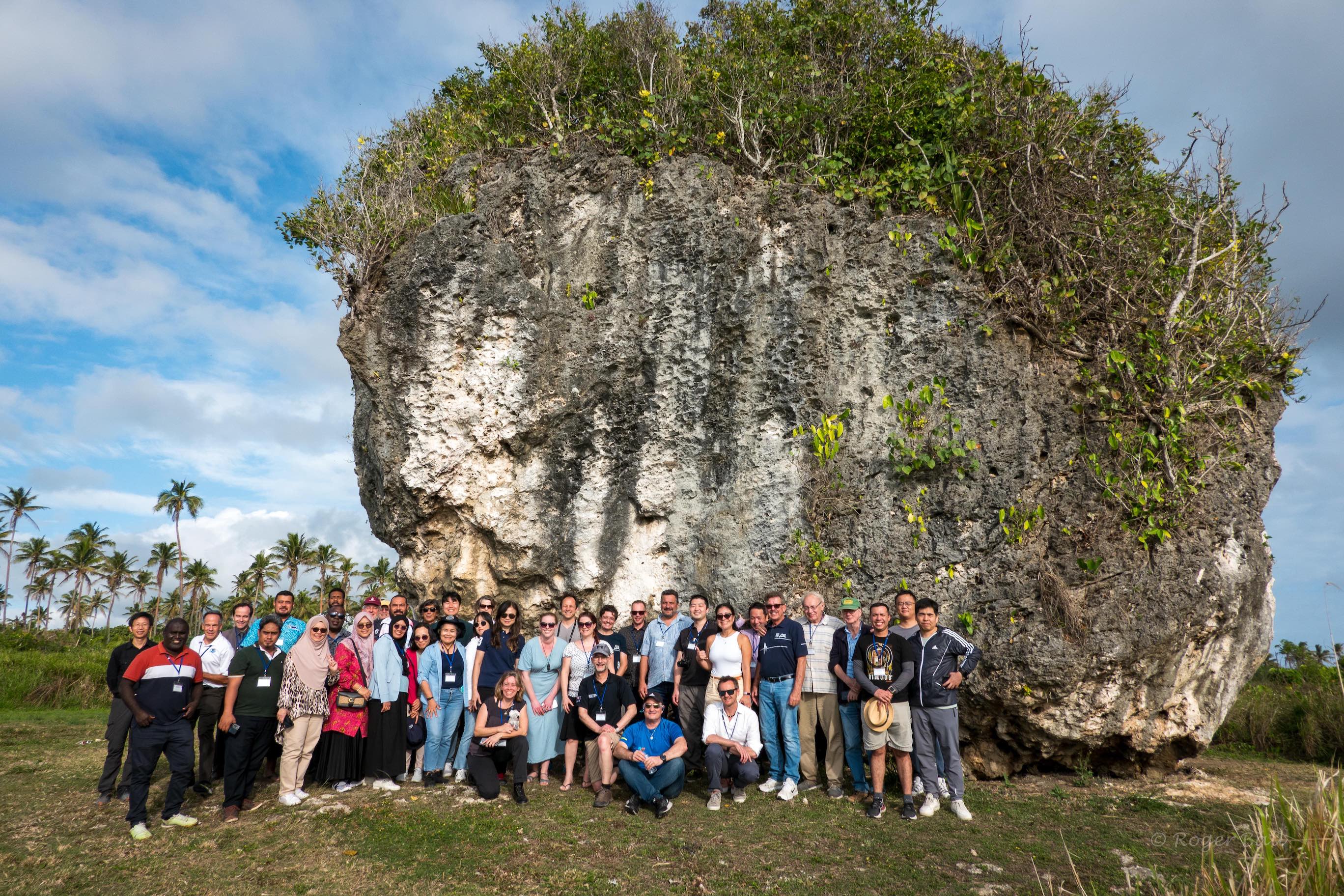
The 30th session of the Intergovernmental Coordination Group for the Pacific Tsunami Warning and Mitigation System (ICG/PTWS), an international expert group under the aegis of UNESCO, showcased significant strides in tsunami preparedness and disaster prevention for the Pacific region.
Key takeaways from the meeting include several initiatives and activities to enhance coastal communities' safety and resilience.
 Expanding Protection and Vigilance
Participants initiated efforts to strengthen the capabilities of the Steering Committee, aligning them with the goals of the United Nations Decade of Ocean Science for Sustainable Development 2021-2030 (the Ocean Decade). This move aims to fortify the protection of coastal communities, ensuring their readiness in the face of potential tsunamis.
Recognizing the growing and increasingly complex challenge of tsunami hazards, the group increased the number of Vice-Chair positions to three, signifying an understanding of the scale of the tasks ahead in improving monitoring and preparedness capabilities in the region.
New Task Teams
The following new task teams were also created to fill existing gaps or advance needed actions on emerging issues:
Volcano Tsunami Preparedness
A specialized task team was established to deepen our understanding of and preparedness for tsunamis triggered by volcanic activity. This initiative promises to provide crucial safety insights and improved response strategies for regions at risk.
Cutting-Edge Forecasting
The Group announced the formation of a new task team, dedicated to improving forecasting through ocean observations. This team's goal is to reduce response times during tsunami events, providing more effective early warnings and ensuring the safety of coastal populations.
Community Readiness
Another new dedicated task team will focus on making Pacific Island nations tsunami-ready, with a primary emphasis on enhancing community preparedness and raising awareness about tsunamis. This community-centric approach aims to empower local residents to respond effectively to tsunami threats. Regarding establishing more tsunami resilient communities, a Tsunami Ready Equivalency Approach was promoted, enabling communities that choose not to implement the UNESCO IOC Tsunami Ready Recognition Programme to report their progress in a manner that is compatible with the programme.
2024 Tsunami Exercise
In 2024, a significant exercise, 'PacWave 24,' will bring Pacific nations together to test their tsunami readiness. Scheduled during the months of September to November, this exercise aligns with International Disaster Risk Reduction Day (13 October) and World Tsunami Awareness Day (5 November), highlighting the importance of preparedness on a global scale.
Key System developments
The meeting also announced diverse new developments in the Pacific Tsunami Warning and Mitigation System, including the introduction of permanent monitoring and warning procedures for the Hunga Tonga-Hunga Ha'apai volcanic area, building on best practices established after the 2022 Hunga Tonga–Hunga Haʻapai eruption and tsunami. This means more reality tsunami warnings following volcanic eruptions in the area.
The session also noted the finalization of the Minimum Competency Framework for the NTWCs, containing training requirements and compilation of examples from countries around the world.
The PTWS also extended its Earthquake Source Zone, which refers to a designated area in the Pacific Ocean region that is known for its seismic activity and potential to generate tsunamis. This zone is carefully defined based on geological and seismological data to identify regions where undersea earthquakes have the capacity to trigger tsunamis. The broader Zone covers more seismic regions, enhancing early warning systems' effectiveness and coverage.
Regional collaboration
The meeting reported that the Central America's Tsunami Advisory Centre (CATAC) took significant steps toward achieving full functionality. Situated in an earthquake-prone region, the Centre plays a pivotal role in enhancing regional safety and preparedness in both coasts of Central America Situated in an earthquake-prone region. CATAC fosters coordinated responses among Central American nations and international partners, reducing the risk posed by tsunamis in the region’s densely populated coastal areas. All while promoting public awareness and education about tsunami risks, and collaboration with other regional advisory centers to improve the accuracy of tsunami warnings across the broader Pacific region.