The Intergovernmental Coordination Group for the Tsunami Early Warning and Mitigation System in the North-Eastern Atlantic, the Mediterranean and Connected Seas (ICG/NEAMTWS) held its 17th session of the ICG/NEAMTWS online between 24-26 November 2021. Despite the ongoing health pandemic, important progress has been achieved during the inter-sessional period. The Group welcomed the approval of a new IOC European Union DG-ECHO (European Civil Protection and Humanitarian Aid Operations) NEAMTWS project on “Strengthening the Resilience of Coastal Communities in the North-Eastern Atlantic, Mediterranean Region to the Impact of Tsunamis and Other Sea Level-Related Coastal Hazards. The project will help drive and shape the establishment and enhancement of tsunami early warning systems in several countries. An important milestone reported is the finalization of a new ICG/NEAMTWS 2021-2030 Strategy in line with the UN Ocean Science Decade for Sustainable Development. The Group encouraged Member States and partners to contribute to its implementation. Another key achievement is the successful results of the fourth tsunami exercise for the region, NEAMWave21 conducted between 8-10 March 2021 and the major increase in media interest.

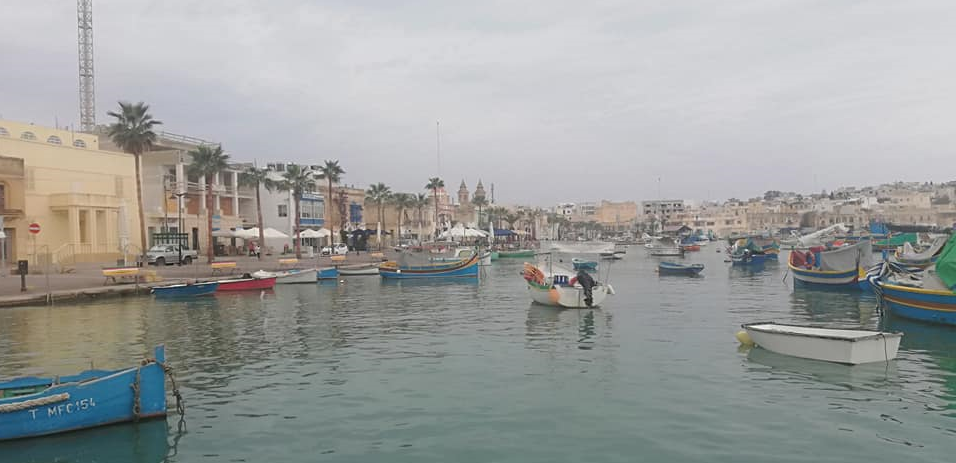
First tsunami end-to-end exercise, 5 Nov 2021, Marsaxlokk, Malta Source: Denis Chang Seng
UNESCO-IOC’s project on Strengthening Tsunami Warning in the North West Indian Ocean through Regional Collaboration with funding from the ESCAP Multi-Donor Trust Fund for Tsunami, Disaster and Climate Preparedness marks a milestone as it transitions to the second phase.
The project is underpinned by a programmatic approach designed to establish long-term national working processes while aligning with the targets of the Agenda 2030 for Sustainable Development. Being closely tied with the overall governance of the UNESCO-IOC Intergovernmental Coordination Group for the Indian Ocean Tsunami Warning and Mitigation System (ICG/IOTWMS), the National Tsunami Working Groups, future Tsunami Ready communities, and the associated working processes will be sustained beyond the project period and also replicated in other regions of the Indian Ocean beyond Makran.

Photo:
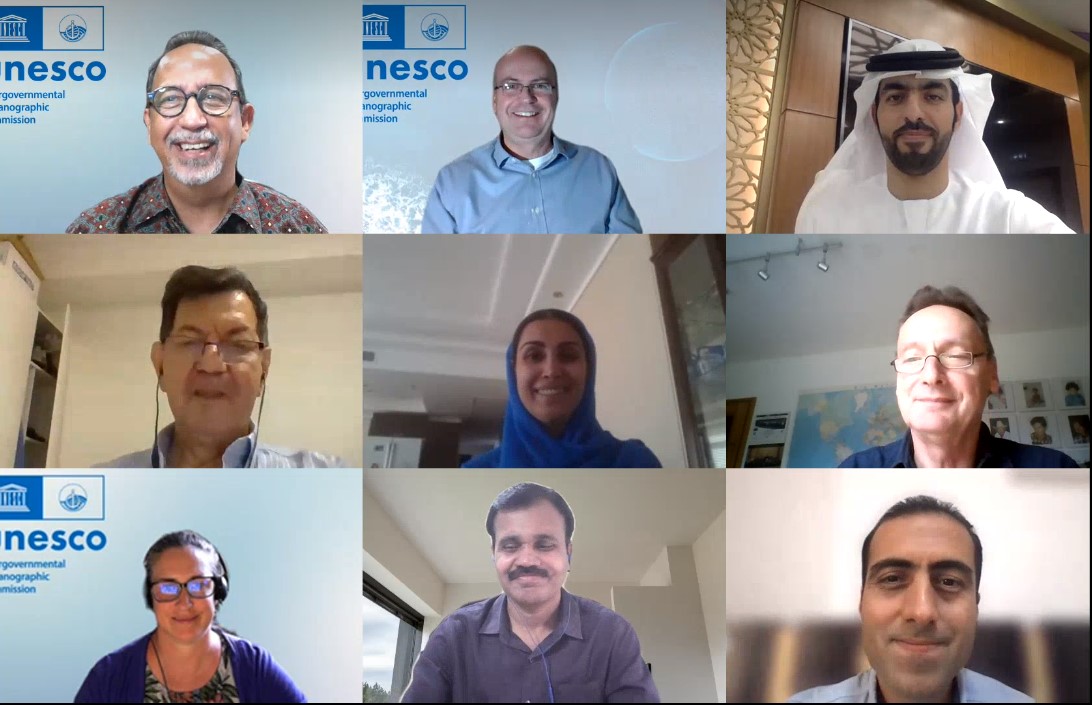
Participants and team members discuss tsunami warning chains in North West Indian Ocean countries at the Regional Standard Operating Procedure Workshop for Disaster Management Organisations held online on 12-14 October 2021.
The Intergovernmental Coordination Group for the Indian Ocean Tsunami Warning and Mitigation System (ICG/IOTWMS) convened intersessional meetings of its Member States and Steering Group during 23-25 November 2021.


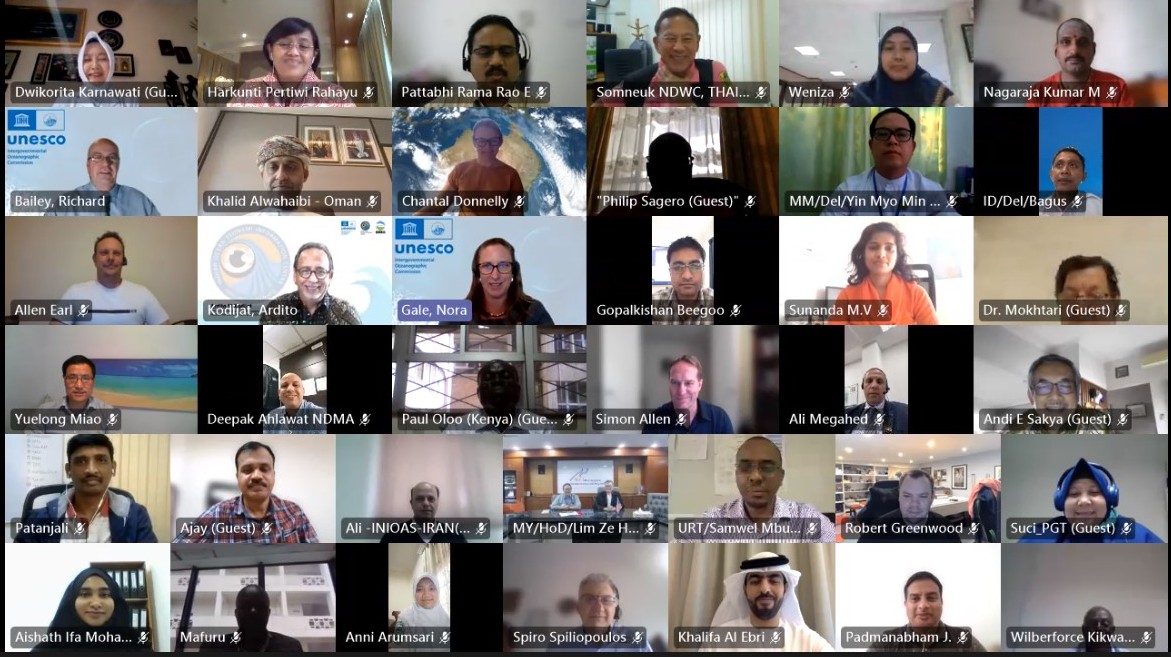
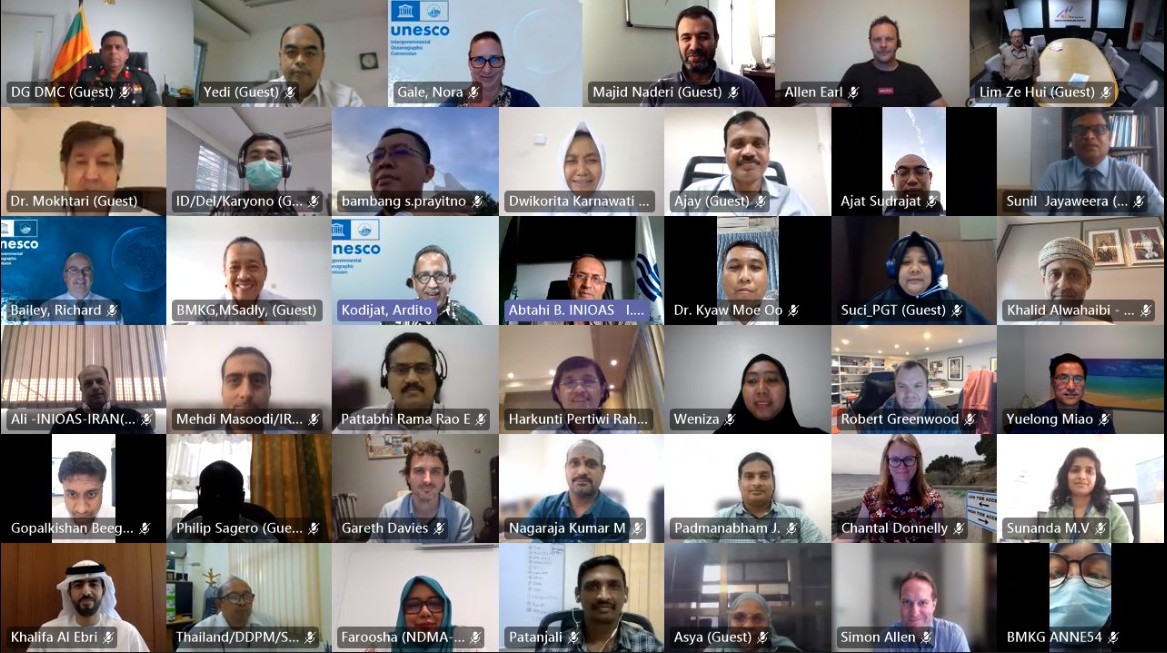
Attendees at the ICG/IOTWMS Intersessional Meeting, online, 23-24 November 2021.
The ICG/IOTWMS Intersessional Meeting was held online to address progress, challenges and gaps at the national and regional levels. The meeting was attended by over 100 people including the ICG/IOTWMS Secretariat, Steering Group and National Delegates from 19 countries: Australia, Bangladesh, Comoros, India, Indonesia, Iran, Kenya, Madagascar, Malaysia, Maldives, Mauritius, Mozambique, Myanmar, Oman, Pakistan, South Africa, Sri Lanka, Tanzania and United Arab Emirates. Most national delegations had representation from both the National Tsunami Warning Center (NTWC) and Disaster Management Organisations (DMO). Further details of participants and presentations are available on the event website: https://oceanexpert.org/event/3300.
On the occasion of World Tsunami Awareness Day 2021, the UNESCO-IOC Indian Ocean Tsunami Information Center (IOTIC) and Secretariat of the Intergovernmental Coordination Group for the Indian Ocean Tsunami Warning and Mitigation System (ICG/IOTWMS) conducted an online webinar, held a youth video competition, and released new tsunami awareness products.
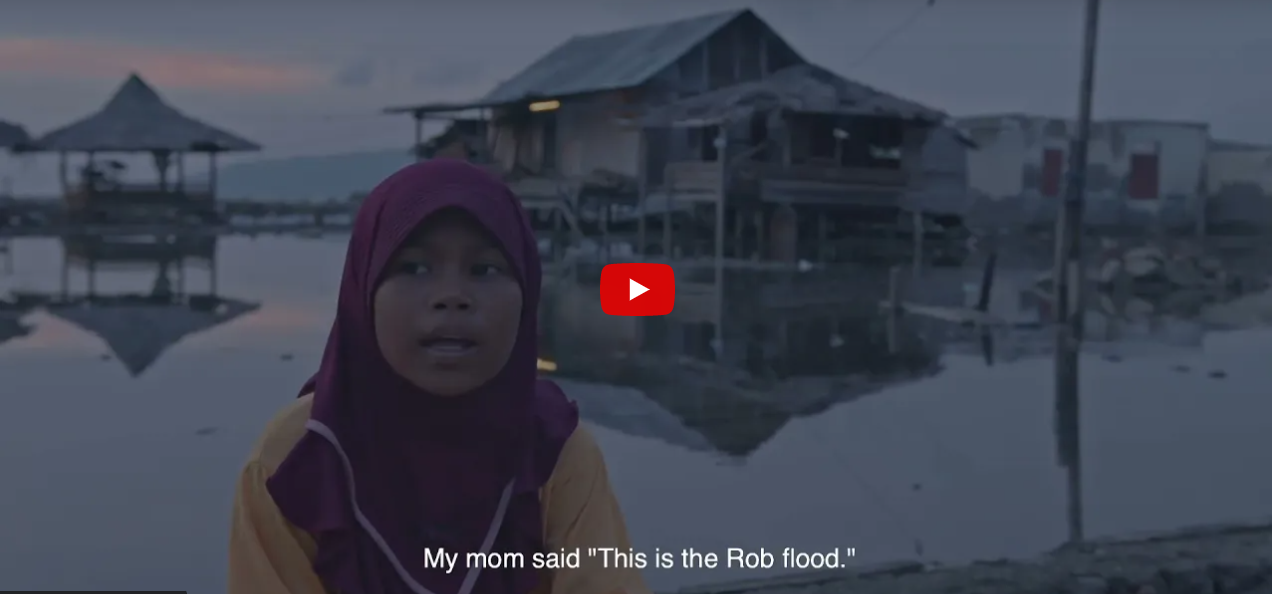
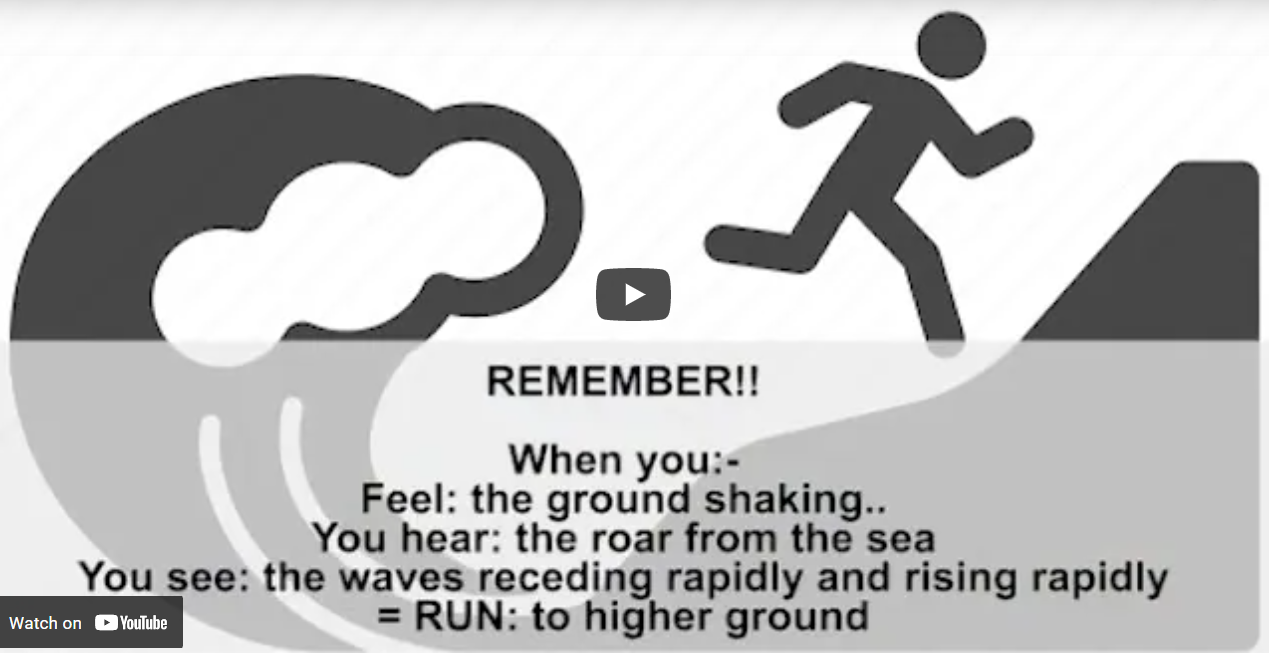
Winners of U-Inspire Tsunami Awareness Youth Video Competition. Select images to view videos.
The first session of the webinar focused on developing a strategic pathway for the IOTWMS within the context of UN Decade for Ocean Science. Around 100 participants attended this event including ICG/IOTWMS Tsunami National Contacts, Steering Group, Working Group and Task Team Members, Secretariat, IOTIC, and Invited Experts. The group met in plenary, as well as two break-out sessions discussing: (1) Tsunami warning, detection and dissemination; and (2) Tsunami risk, community awareness and preparedness. Opportunities were explored in how to best utilise the Tsunami Decade Programme within the UN Decade of Ocean Science for Sustainable Development (2021-2030). Four strategic elements were discussed in terms of their implementation pathways and outcomes:
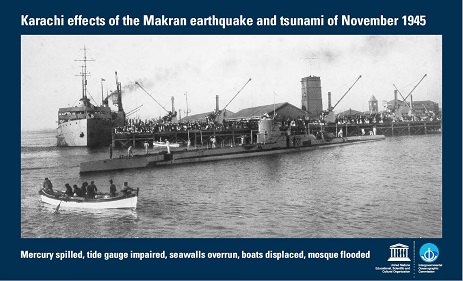
The effects of the earthquake and tsunami on 28 November 1945 sourced near the Makran coast of the Arabian Sea are captured in a new UNESCO-IOC publication entitled Karachi effects of the Makran earthquake and tsunami of November 1945. (Select image below to view publication).
The event registered abundantly at Karachi, the port city nearest the earthquake source and disturbed port facilities and fishing villages to the east of Karachi Harbour. The new publication includes archives from this event: a lighthouse notebook, tide-gauge record, local newspapers, large-scale maps, and photographs complimenting previously published eyewitness testimory gathered in 2014-2018.
It is hoped that the stories and information captured in this new publication will inform precautions against natural hazards in Karachi and beyond. A tsunami like the one in 1945 would today encounter more people and developed property in Karachi's port areas with seaside populations and shipping increased tenfold or more since 1945.

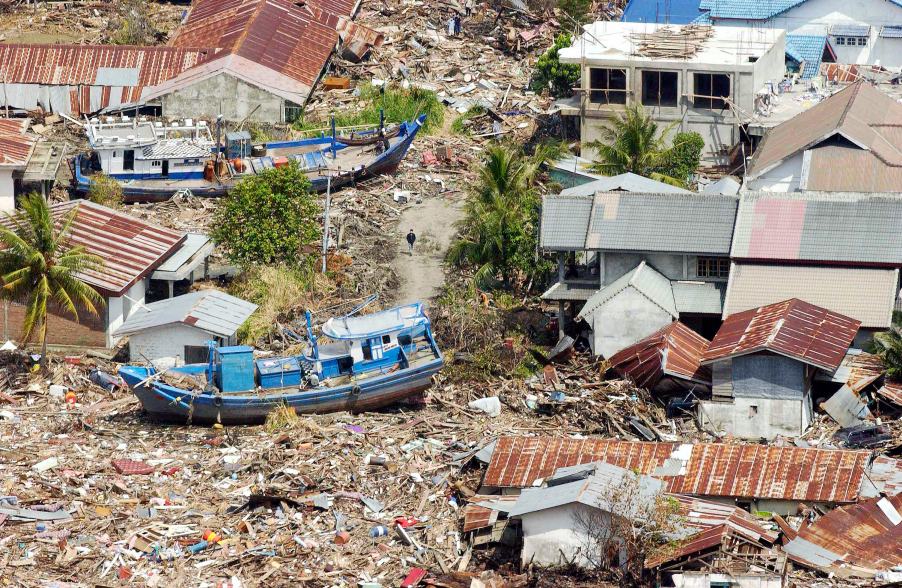
The Indonesian coast, between Banda Aceh and Meulaboh, after the earthquake and the tsunami of 26 December 2004. Photo by Evan Schneider © UN Photo
UNESCO supports Member States in improving capabilities for tsunami risk assessment, implementing early warning systems and enhancing preparedness of communities at risk. UNESCO works closely with national institutions and promotes inter-institutional and regional cooperation. Specialized regional centers provide tsunami information that, together with national analysis, is the basis of the warnings issued for the public. In addition, UNESCO promotes community-based approaches in the development of response plans and awareness campaigns which strongly involve education institutions and end-users.