Sea Level Monitoring
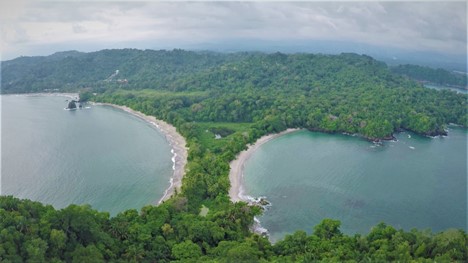
TSU/MAB Coastal Hazards Project
Celebrating Ten Years of Tsunami Early Warning Operations in North-eastern Atlantic, Mediterranean and Connected Seas
Experts met at CENALT (France CENtre d'Alerte aux Tsunami), CEA (Commissariat à L’énergie Atomique et Aux énergies Alternatives), France on 29-30 September to celebrate the ten-years operations of CENALT. NOA (Greece) and KOERI (Turkey) are also celebrating ten years of operation. Dr Stéphane Le Garrec, Head of the Department Analyse, Surveillance, Environment (DASE), CEA welcomed all participants and highlighted CENALT operations in CEA since 2012. Dr Hélène Hébert, CEA and Tsunami Warning Focal Point of France lead the organization of the scientific workshop.
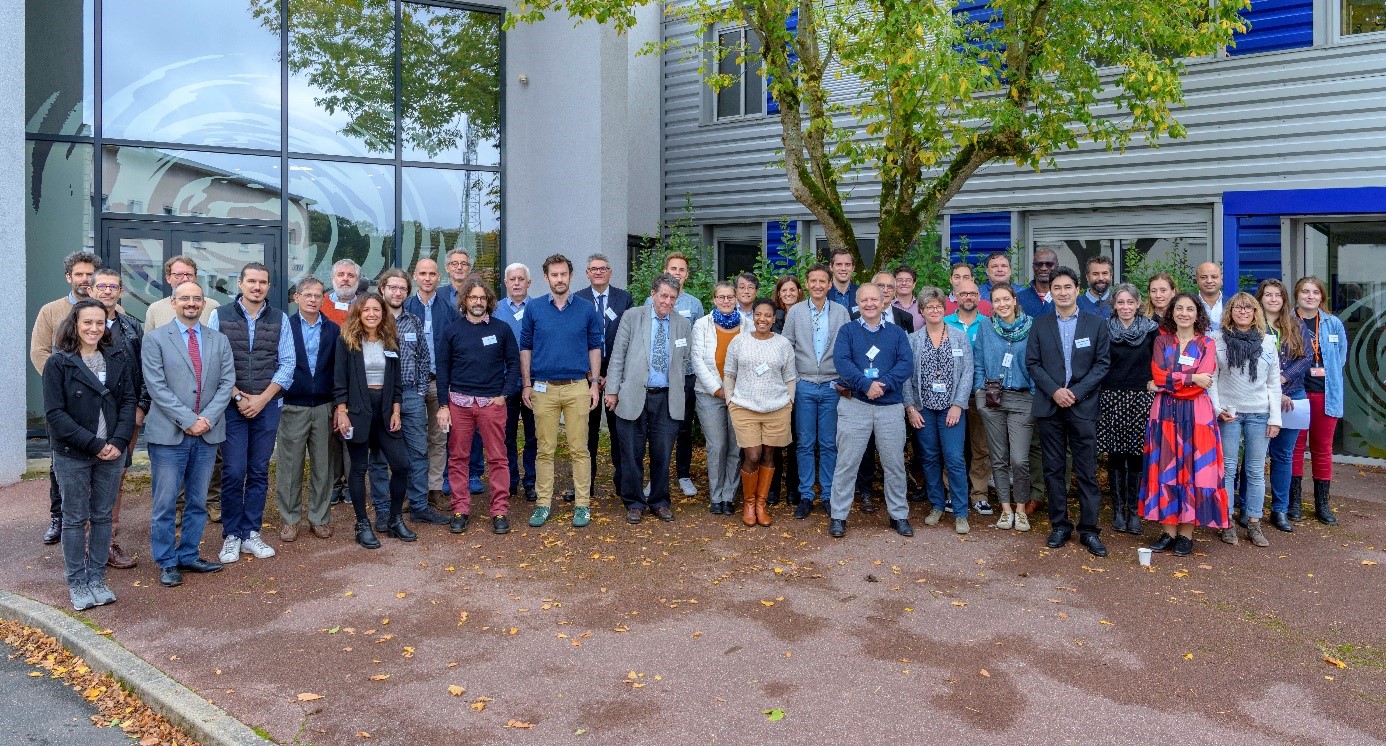
Credit; CENALT, CEA
SHOA conducts workshop for Southeast Pacific tsunami warning centres
The training workshop was developed with support from the Intergovernmental Oceanographic Commission of the United Nations Educational, Scientific and Cultural Organization (UNESCO/IOC) and the Flanders Marine Institute (VLIZ). It was held between 27 and 30 September 2022 at the offices of the Hydrographic and Oceanographic Service of the Chilean Navy (SHOA).
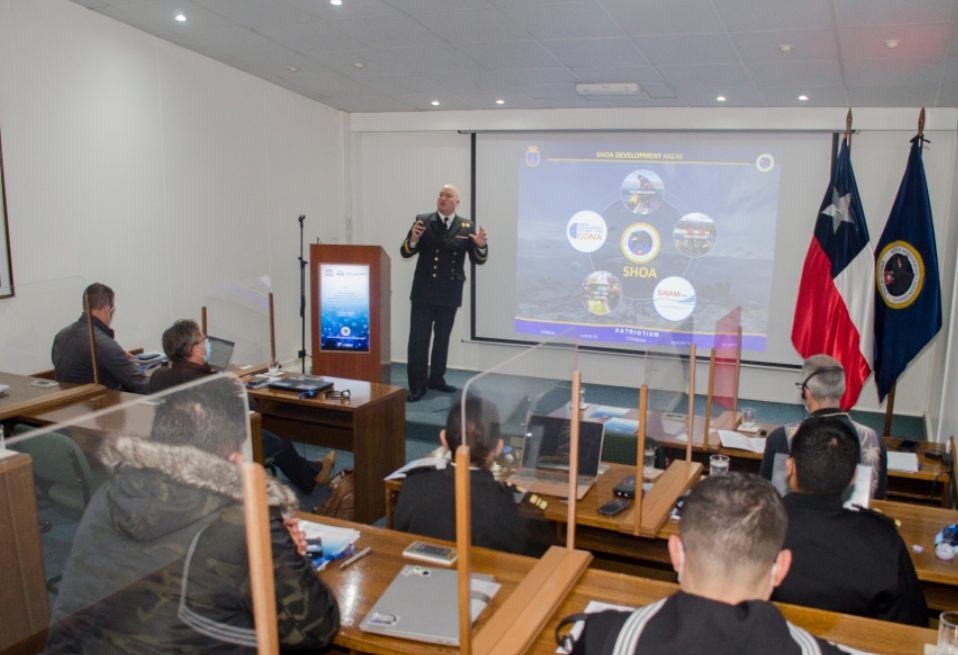
Following the 15 January 2022 Hunga-Tonga Hunga-Ha’apai volcanic eruption and tsunami, and within the framework of activities of the Regional Working Group on Tsunami Warning and Mitigation in the Southeast Pacific Region (WG-SEP), this workshop entitled "Shared Access to Sea Level Data: A Tool for Effective Regional Tsunami Emergency Response" was organized.
The workshop brought together representatives from the National Tsunami Warning Centers of Chile, Colombia, Ecuador, and Peru. Expert presentations were also made by the Pacific Tsunami Warning Center (PTWC), VLIZ, UNESCO/IOC and SHOA.
Tsunami Ready: Three Villages on route to receiving UNESCO recognition in Java
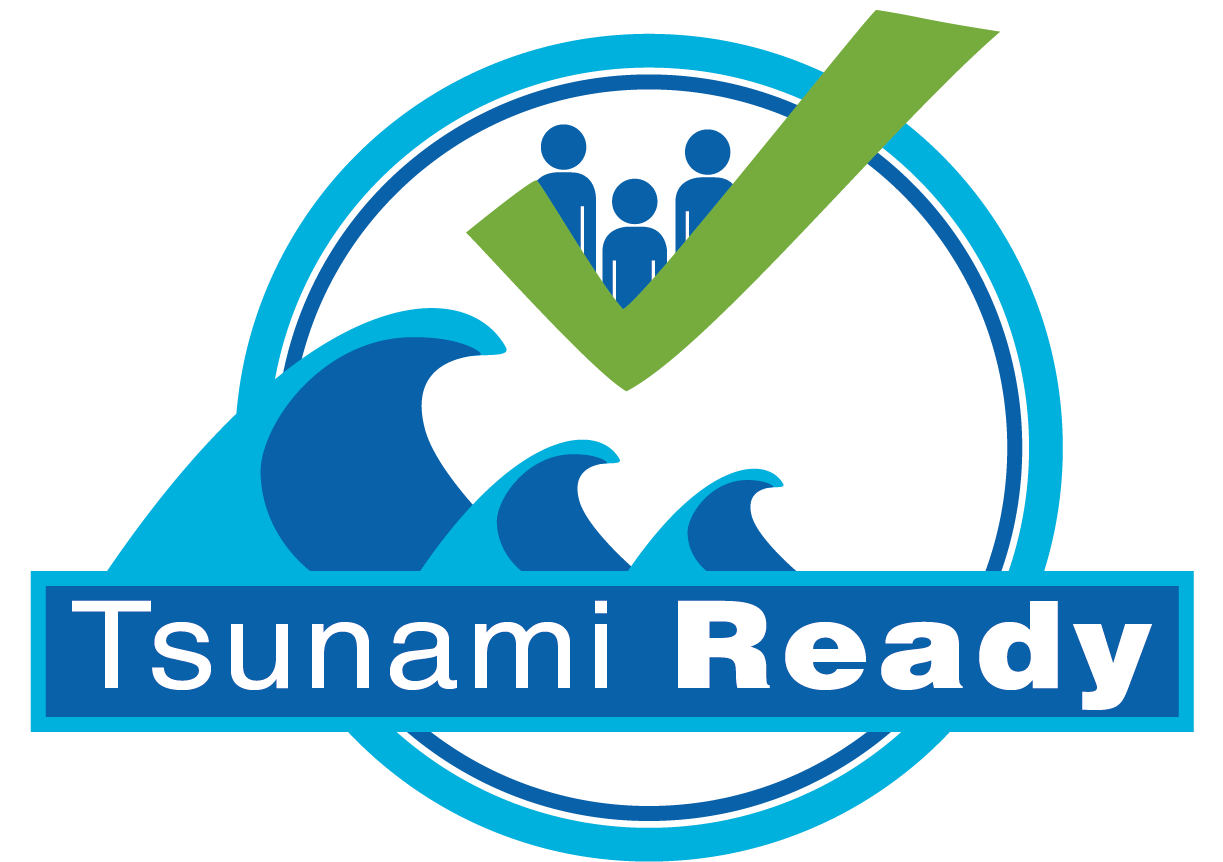
The villages of Tambakrejo (East Java), Kemadang and Glagah (Yogyakarta) are successfully implementing the Tsunami Ready Recognition Programme established by UNESCO, through its Intergovernmental Oceanographic Commission (IOC-UNESCO).
The Tsunami Ready Recognition Programme covers twelve indicators, including the development of a community tsunami risk reduction plan, designated and mapped tsunami hazard zones, public display of tsunami information, easily understood tsunami evacuation maps, the development of outreach and public education materials, to name but some of the measures required.
The three Indonesian villages implemented the indicators with support and facilitation from IOC-UNESCO’s Indian Ocean Tsunami Information Centre (IOTIC), Indonesia’s Agency for Meteorology, Climatology, and Geophysics (BMKG), and the Local Disaster Management Agency (BPBD).
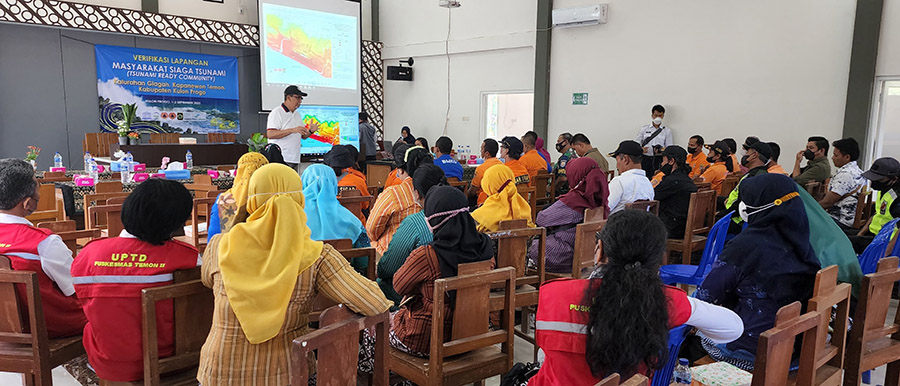
UNESCO-IOC IOTIC advocates the community leaders on the 12 UNESCO-IOC Tsunami Ready Indicators at Glagah Village, Kulonprogo, Yogyakarta. ©UNESCO/Ardito M Kodijat
“Although we have been working on Desa Tangguh Bencana [DESTANA, Disaster Resilient Village] from the Multi-hazard perspective for several years, the implementation of these 12 UNESCO-IOC Tsunami Ready Indicators helps us to better understand the tsunami hazard in our area and to focus more on tsunami preparedness,” Disaster Risk Reduction Forum of Kemadang Village.
Living History: Survivors Speak Out about the 2000 Banggai Tsunami in Indonesia
A new initiative by UNESCO and the Indonesian agency for Meteorology, Climatology, and Geophysics (BMKG), documents the story of survivors and eyewitnesses of the 4th May 2000 Tsunami in Banggai, Indonesia.
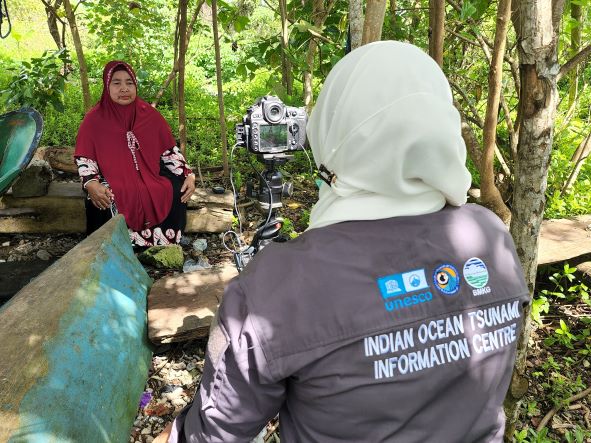 The 7.6 Mw earthquake that generated the tsunami happened at 12:21 noon local time, with the epicenter around 38 km Northeast of the Salakan city of the Banggai Island District, Indonesia. A 3m tsunami hits several villages on the tip of Eastern part of Central Sulawesi and its surrounding islands. The earthquake and tsunami caused 54 deaths, more than 264 injuries, and destroyed at least 23.000 houses.
Under the partnership agreement of UNESCO and BMKG, the Intergovernmental Oceanographic Commission of UNESCO and its Indian Ocean Tsunami Information Center (IOTIC) documented 72 eyewitness and survivor accounts from 7 villages (Ponding-ponding, Palam, Bolonan, Kandek, Dodung, Kalumbatan, and Kayutanyo) in 3 districts (Banggai, Banggai islands, and Banggai Sea).
The initiative is framed around the project Preserving Past Tsunami Information for Future Preparedness, supported by the local Disaster Management Offices of the affected communities. The testimonial collection activities took place between 29 July - 6 August 2022.
These efforts complement a global push to ensure there is video documentation of eyewitnesses and/or survivors' stories of tsunamis that happened prior to the 2004 Indian Ocean Tsunami.
UNESCO and BMKG have documented eyewitnesses and survivors story of the 1945 Makran tsunami, the 1950 Ambon tsunami, the 1938-1968-2018 Central Sulawesi tsunamis, the 1992 Flores tsunami, the 1994 Banyuwangi tsunami, and the 1996 Biak tsunami.
These living heritage preservation efforts will continue in the next few years, complemented by public awareness education booklets, and edited videos that will be made available for the public online and through social media.
Find out more: (https://iotic.ioc-unesco.org/).
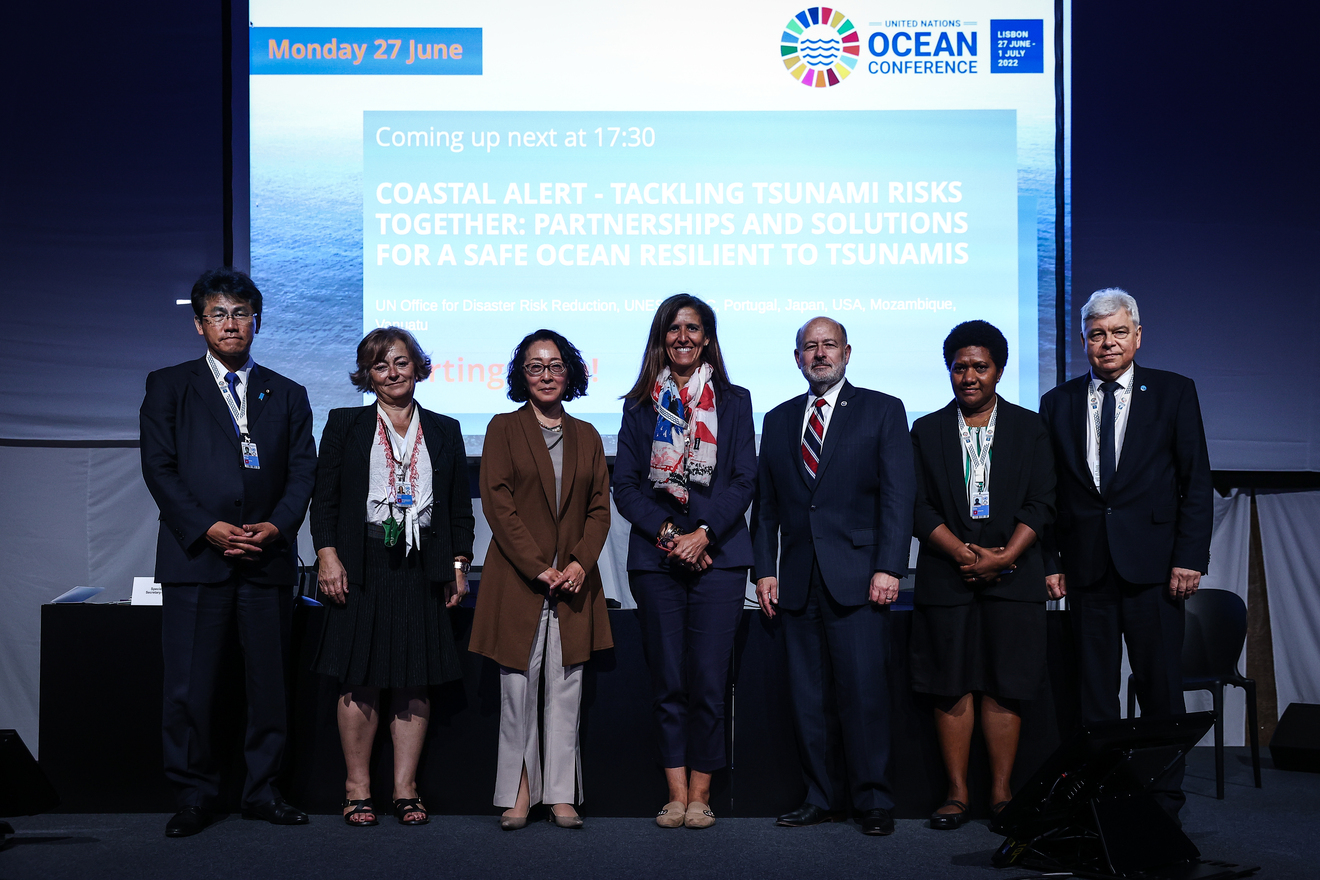
2022 United Nations Ocean Conference Side Event: Coastal alert - tackling tsunami risks together: partnerships and solutions for a safe ocean resilient to tsunamis
Tsunamis are rare events but can be extremely deadly. In the past 100 years, 58 of them have claimed more than 260,000 lives, or an average of 4,600 per disaster, surpassing any other natural hazard. This side event showcased leading efforts on reducing tsunami risk as a key contribution to UN Ocean Decade and scaling up action on ocean science and innovation. The event launched the 2022, the World Tsunami Awareness Day communications campaign, which cumulates on 5 November each year and is organised by UNDRR, will focus on the importance of investing in early warning systems. At the same time, the 31st Session of the Intergovernmental Oceanographic Commission of UNESCO (UNESCO-IOC) held in June 2021 noted that the UN Ocean Decade provides “a once-in-a-generation opportunity” to improve tsunami detection and early warning systems “even from the near instant they form, and to enhance the preparedness of coastal communities for tsunamis through the UNESCO/IOC Tsunami Ready Programme.”
In this context, UNESCO-IOC in partnership with UNDRR organized the "Coastal alert - tackling tsunami risks together: partnerships and solutions for a safe ocean resilient to tsunamis" side event at the 2022 United Nations Ocean Conference that took place on 27 June 2022 at Lisbon in Portugal.
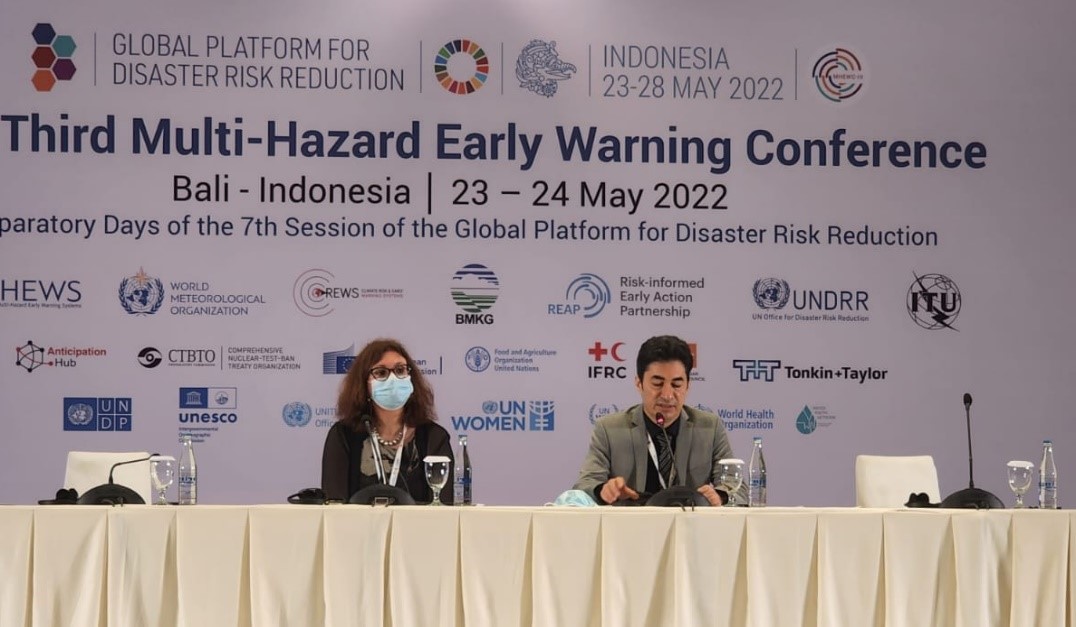
Third Multi-Hazard Early Warning Conference: Scaling Up action: Every Person on Earth Protected by Early Warning Systems within Five Years
The Third Multi-Hazard Early Warning Conference (MHEWCIII) was held in Bali, Indonesia from 23 to 24 May at the Bali International Convention Centre (BICC) as a preparatory event for the Global Platform for Disaster Risk Reduction. Its theme was “From Stock Take to Scaling Actions on Target G: Accelerating the Knowledge and Practice of Early Warning Systems for Risk-Informed Resilience". An Organizing Committee composed of committed partners drawn from the International Network, including IOC UNESCO for Multi-Hazard Early Warning System (IN-MHEWS) planned and organized the MHEWS-III Conference. Denis Chang Seng, IOC UNESCO Programme Specialist delivered a keynote presentation on Tsunami Early Warning and Mitigation System: Progress, Gaps and Opportunities in the opening session on the State of Play on Early Warning Systems: Progress on target G – Early Warning Access: Regional and Thematic Expert Perspective. IOC UNESCO and WMO also co-organized a session. Are our early warning systems effective? The MHEWS-III conference welcomed the UN's new action and ambitious challenge to ensure every person on Earth is protected by Early Warning Systems within five years and WMO to lead this effort and present an action plan to achieve this goal at the next UN climate conference, later this year in Egypt.
More Articles...
- Enhancing and Scaling up Actions for Resilient and Safer Coast Discussed/Highlighted at the African Conference on Priority Setting and Partnership Development for the United Nations Decade of Ocean Science.
- The 10-Year Research, Development and Implementation Plan for the Ocean Decade Tsunami Programme High on the Agenda at the ICG/NEAMTWS Steering Committee
- Safe Ocean Lab – Satellite Activity: “100% of at-risk communities recognized Tsunami Ready”
- Further Challenges for Warnings of Tsunamis – A Satellite Activity for the UN Ocean Decade Safe Ocean Laboratory
Subcategories
-
Latest News
- Article Count:
- 83
-
Newsletter
- Article Count:
- 5
-
On focus
- Article Count:
- 5
-
IOTWS News
- Article Count:
- 1