Sea Level Monitoring
TSU/MAB Coastal Hazards Project
Empowering Coastal Children: Building Resilience and Awareness in French Schools
A pilot project commissioned by IOC UNESCO Tsunami Resilience Section performed in several coastal schools in France between mid-October to end-November of 2022 found that Atlantic French coast children are aware of storm surge risk, while Mediterranean coast children are more knowledgeable about tsunami risk. This project seeks to better understand how young children perceive sea level-related hazards, particularly tsunamis, storm surges, and sea level rise. The findings highlight the different levels of preparedness of schools and children for these three hazards, emphasizing the positive strides made by Mediterranean coast schools in France in educating children about tsunami risks, while Atlantic coast schools in France tend to focus on storm surge awareness. Likewise, the results of the survey in France suggest that proximity to the sea and coast plays an important factor in defining the perception of risks related to sea level. The further a child lives from the sea, the less concerned is to sea level-related risk.
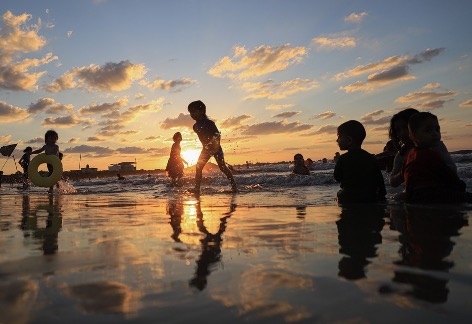
Photo credits: Rizek Abdeljawad/Xinhua.
Sixteenth Session of the ICG/CARIBE-XVI held in San Jose, Costa Rica
The Sixteenth Session of the IOC-UNESCO Intergovernmental Coordination Group for the Tsunami and Other Coastal Hazards Warning System for the Caribbean and Adjacent Regions Intergovernmental Coordination Group for Tsunami and other Coastal Hazards Warning System for the Caribbean and Adjacent Regions (ICG/CARIBE-EWS-XVI) took place from 25-28 April 2023 in San Jose, Costa Rica.
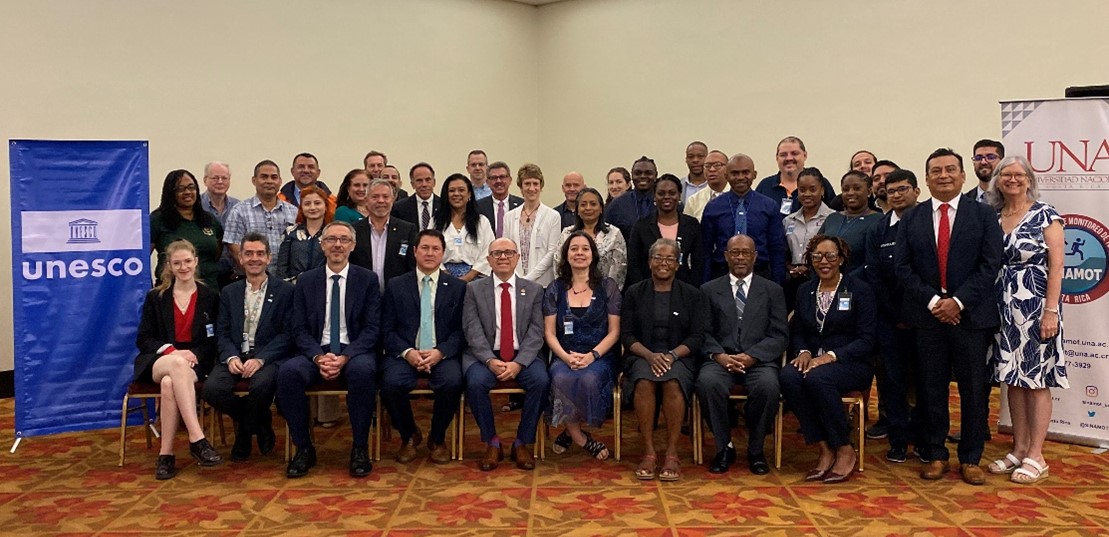
Over 60 representatives from Member States and Territories attended the meeting, 40 of whom attended in person and between 20 to 25 online. Twelve IOC-UNESCO Member States and two U.S. territories were represented in person, with an additional seven present online. This was the first in-person meeting of the ICG/CARIBE-EWS since 2019 due to the COVID-19 pandemic, and representatives were reminded of the significant value of conducting the work of the ICG face-to-face. The daily interaction of experts and the building of rapport among the Member States was critical to the successful outcomes achieved.
CARIBE WAVE 2023 Exercise in the Caribbean and Adjacent Regions
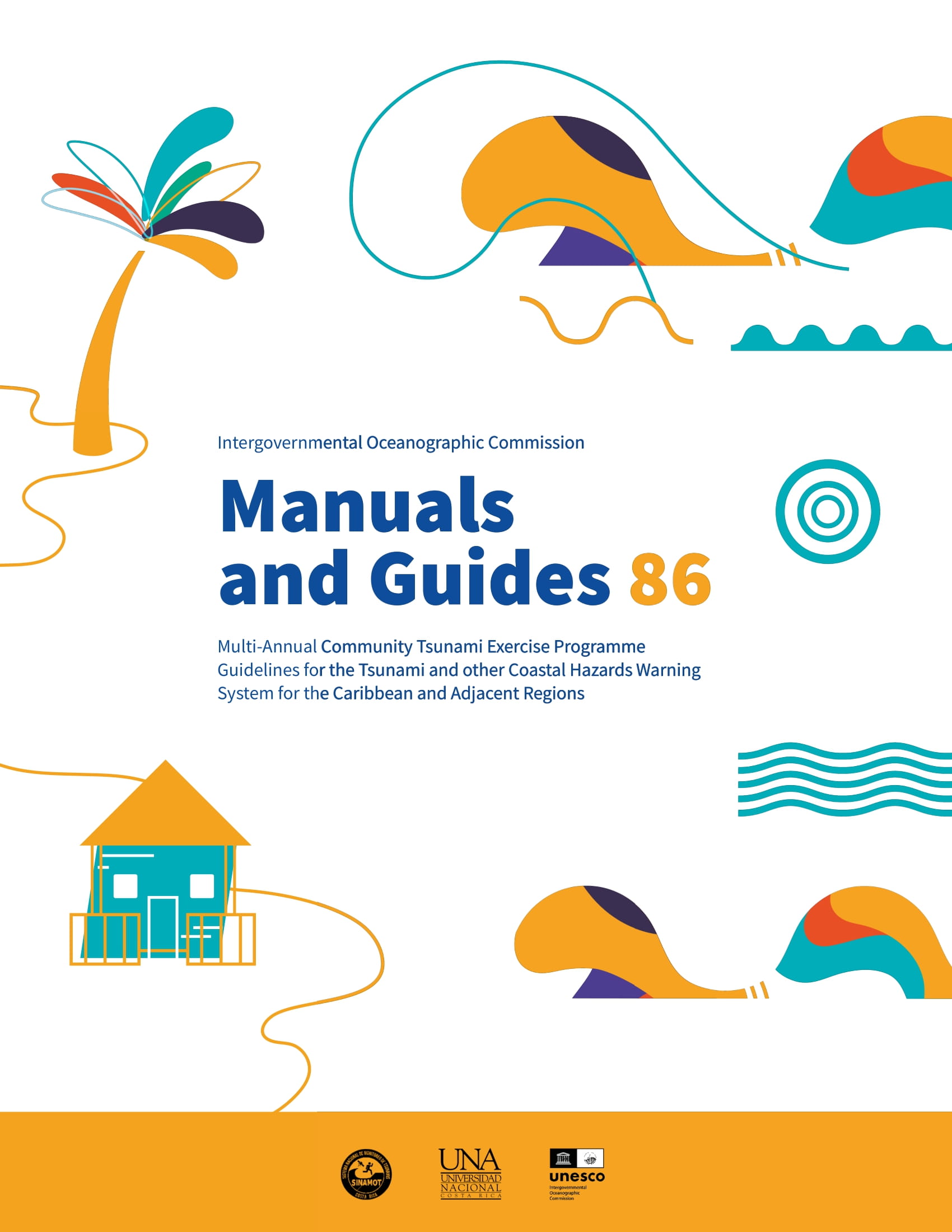
The twelfth annual tsunami exercise, CARIBE WAVE 23, was carried out on 23 March 2023, with participation from over 780,000 people from the Caribbean and adjacent regions. The region has had a long history of devastating tsunamis and the exercise helps at-risk communities to prepare for this infrequent, but high-impact hazard.
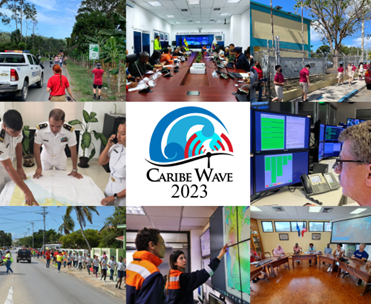
Pictures from the different activities during CARIBE WAVE. From top left to right; Costa Rica, Venezuela, Puerto Rico, Mexico, Pacific Tsunami Warning Center, Aruba, Colombia, and Guadeloupe.
The majority of the participants from across the region were from K-12 Schools. In addition, state government, universities and emergency and preparedness organizations also had high levels of participation. This year’s exercise was also marked by an increase of people with disabilities participating, thus providing an opportunity to test applicability of preparedness measures to more parts of the community. During the CARIBE WAVE Exercise, full-scale drills, seminars, and communication tests were some of the many activities that were organized.
Launch of the NEAMTWS 2030 Strategy and Tsunami Ready Posters – Advancing towards an effective tsunami early warning and mitigation system by 2030.
A ceremony took place on 12 April 2023 to launch the Intergovernmental Coordination Group for the North-eastern Atlantic, Mediterranean, and connected seas Tsunami Early Warning and Mitigation System (ICG/NEAMTWS) 2030 Strategy (Technical Series and Brochure); and two new Tsunami Ready and Coastal Hazard Ready Posters. The ceremony was organized during the ICG/NEAMTWS Steering Committee meeting, 12-13 April at UNESCO Headquarters, Paris, France with the participation of the ICG/NEAMTWS Steering Committee Members and Permanent Delegates to UNESCO from France, Italy, Portugal, and Türkiye (NEAMTWS Tsunami Service Provider countries). Dr. Vladimir Ryabinin, Executive Secretary of the Intergovernmental Oceanographic Commission of UNESCO provided an opening speech. The launch ceremony aimed to raise visibility and awareness of the ICG/NEAMTWS 2030 Strategy, share and promote the work and activities including the Tsunami Ready Recognition Programme of the ICG/NEAMTWS and the Tsunami Resilience Section; and strengthen connections and cooperation with NEAM UNESCO Permanent Delegations.
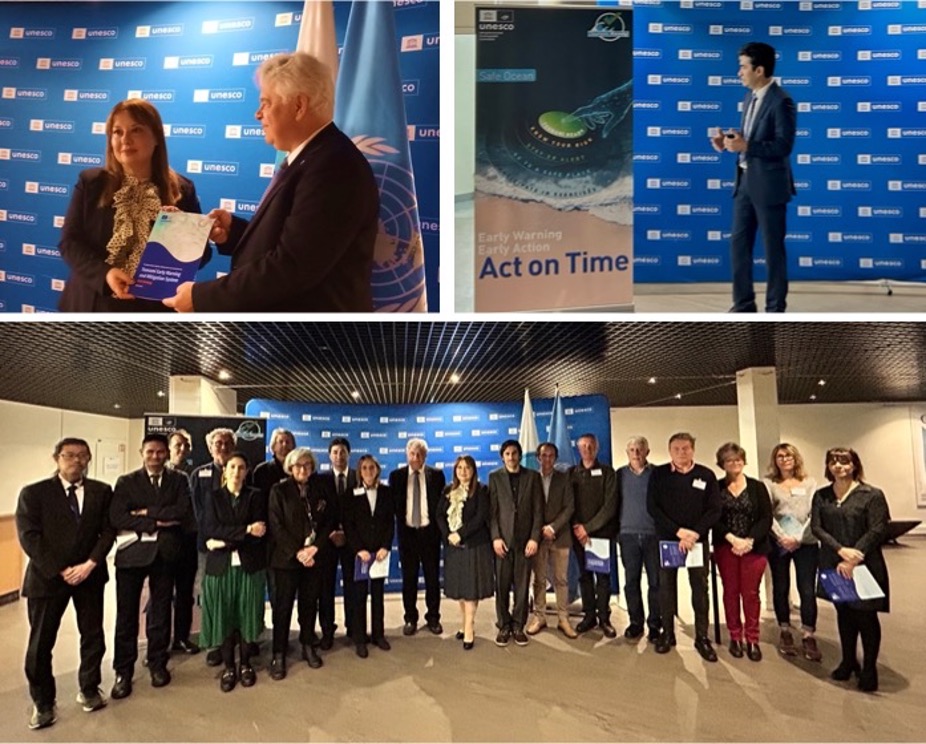
From top to bottom and left right: Presentation of ICG/NEAMTWS 2030 Strategy booklet by Mr. Vladimir Ryabinin, Executive Secretary of IOC-UNESCO to Ms. Gülnur Aybet, Ambassador, Permanent Delegate of Türkiye to UNESCO; Mr. Denis Chang, Technical Secretary of the ICG/NEAMTWS presenting the Tsunami ready Poster; Group picture of the launch ceremony participants. Photographs credits: Tsunami Resilience Section team.
El Jadida-One Step Closer to Become ‘Tsunami Ready’
The University of Chouaib Doukkali (UCD), one of the 8 national partners of the Intergovernmental Oceanographic Commission of UNESCO (IOC-UNESCO) EU DG ECHO CoastWAVE project, organized a meeting on Tsunami Ready with high-level stakeholders in El Jadida, Morocco on March 11, 2023. The CoastWAVE project seeks to build resilient communities through awareness and preparedness strategies that will protect life, livelihoods, and property from tsunamis in different regions.
The representatives of the Laboratory of Marine Geosciences and Soil Sciences (LGMSS), the University of El Jadida, the National Civil Protection Agency, National Center for Scientific and Technical Research (CNRST), the Ministry of Interior, Solidarity Fund against Catastrophic Events, the Department of Meteorology, Tourism delegates, the University of Montpellier, the Department of Ports and Maritime, the National Commission of UNESCO, IOC-UNESCO and the local media gathered for a meeting to discuss the actions to strengthen the resilience of the City of El-Jadida to tsunamis.
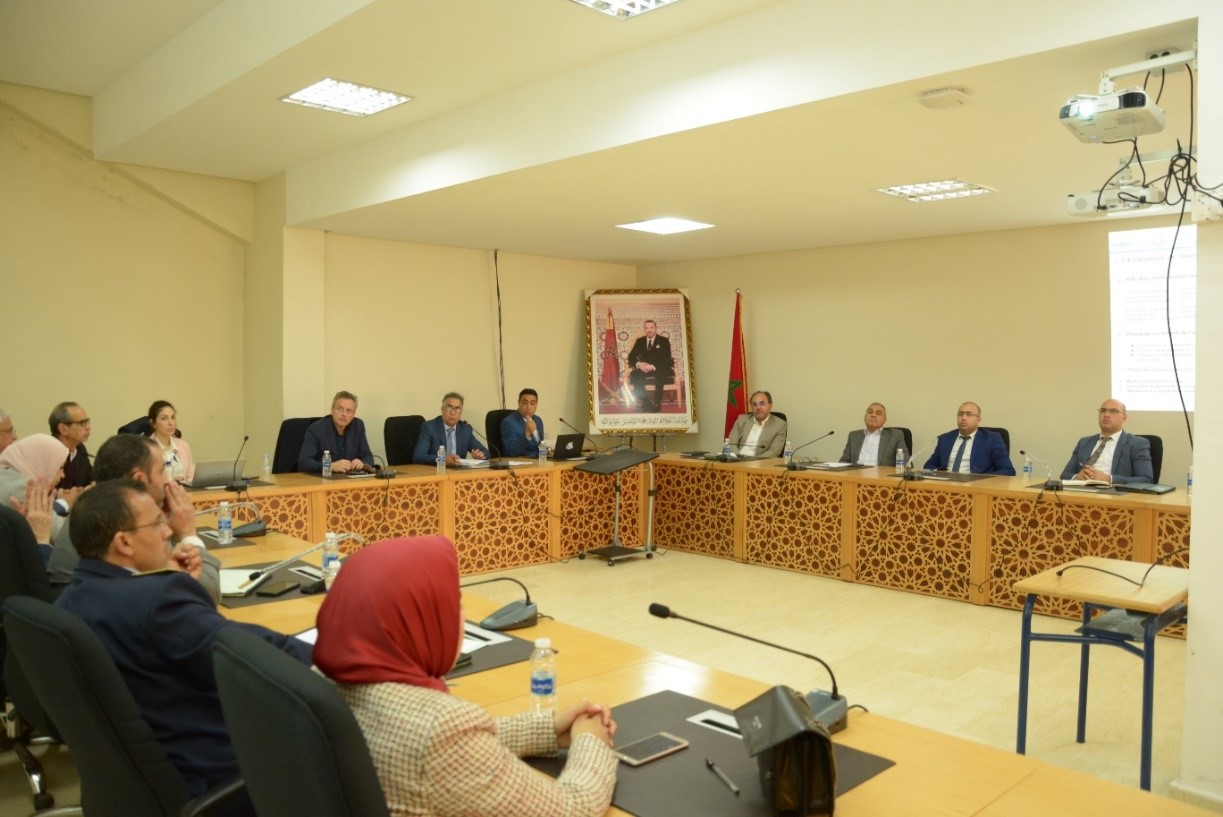
Photo 1: Stakeholders during the meeting. Credit: UCD
More Articles...
- Resilient Coastal Communities to Tsunamis High on the Agenda at the “Science for Sustainable Development” Conference in El Jadida, Morocco
- Tsunami Ready Training to Boost the Implementation of Tsunami Ready in CoastWAVE Project Countries
- Deadly and Damaging Earthquake in Türkiye and Syrian Boarder, Tsunami-related Sea Level Anomalies Detected in Türkiye
- Ninth meeting of the IOC-UNESCO – ICG/PTWS Regional Working Group in Tsunami Warning and Mitigation System for Pacific Island Countries and Territories
About the Tsunami Programme
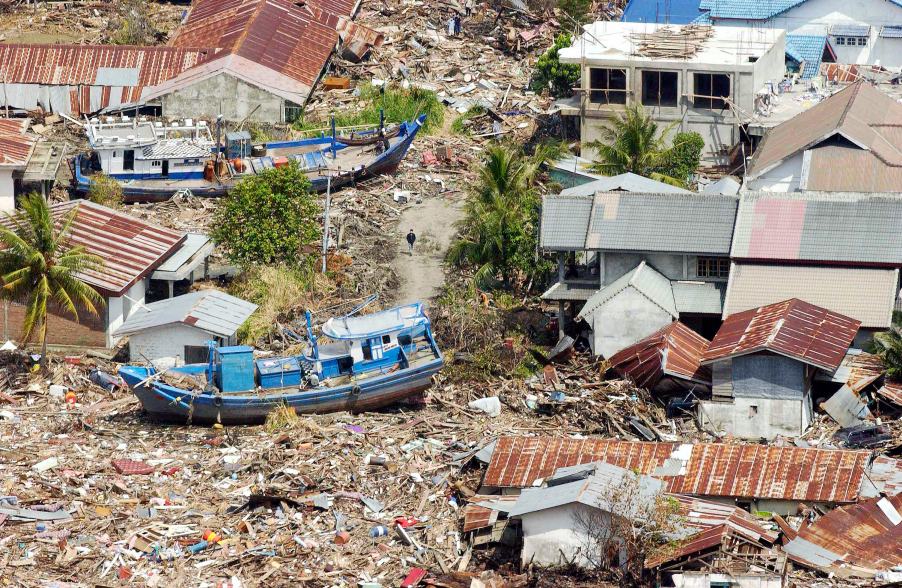
The Indonesian coast, between Banda Aceh and Meulaboh, after the earthquake and the tsunami of 26 December 2004. Photo by Evan Schneider © UN Photo
UNESCO supports Member States in improving capabilities for tsunami risk assessment, implementing early warning systems and enhancing preparedness of communities at risk. UNESCO works closely with national institutions and promotes inter-institutional and regional cooperation. Specialized regional centers provide tsunami information that, together with national analysis, is the basis of the warnings issued for the public. In addition, UNESCO promotes community-based approaches in the development of response plans and awareness campaigns which strongly involve education institutions and end-users.
Upcoming Events
7 August 2024
19 August 2024
19 - 30 August 2024
Chile