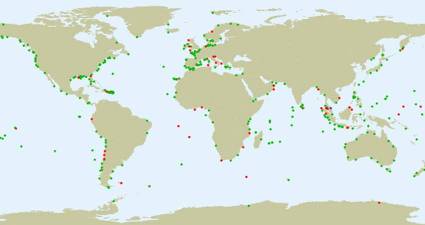
Sea Level Monitoring
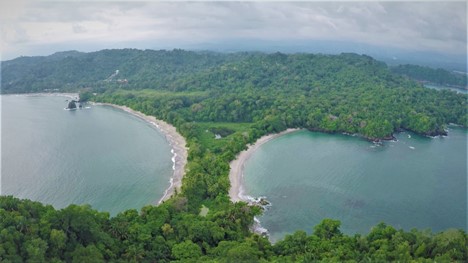
TSU/MAB Coastal Hazards Project
Five-day tsunami modelling training for the Peruvian Navy Tsunami Warning Center conducted in Callao, Peru
The Hunga Tonga-Hunga Ha'apai (HTHH) volcanic eruption on January 15, 2022, and its subsequent tsunami posed a great challenge to tsunami early warning centres around the world. To improve preparedness to tsunamis, the Intergovernmental Oceanographic Commission (IOC) of UNESCO, which leads the Pacific Tsunami Warning and Mitigation System (PTWS), organized a 5-day tsunami modelling workshop for the Peruvian Navy Tsunami Warning Center from 17-21 October 2022, held in the facilities of the Directorate of Hydrography and Navigation (DHN) in Callao, Peru.
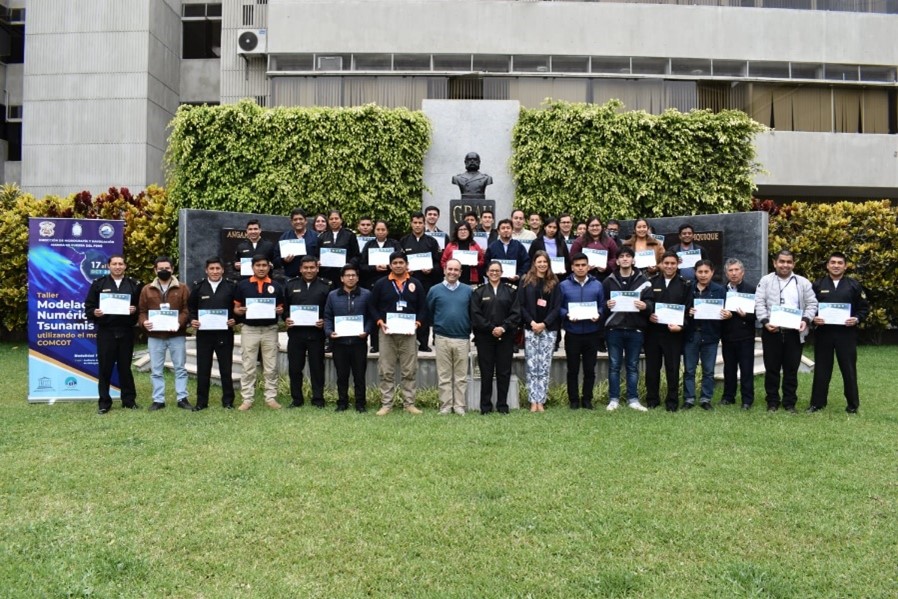
Photo credit: DHN
The instructors for this workshop were Dr. Patricio Catalán, Professor at the Universidad Técnica Federico Santa María, Chile, and Alejandra Gubler, PhD student and researcher at CIGIDEN, Universidad Católica de Chile. Both are experts with vast experience in tsunami modelling and early warning systems. In addition, several other invited speakers delivered presentations online. Dr Erick Mas, associate professor at Tohoku University, Japan, presented about tsunami-generating mechanisms. Dr Hermann Fritz, professor at the Georgia Institute of Technology, USA, spoke about volcanic eruptions and tsunamis. Finally, Dr Raphaël Paris, professor at the Université Clermont-Auvergne, France, shared about the physical mechanisms of volcanic eruptions and Lamb waves.
Dialogue: How to holistically address requirements, challenges and opportunities of effective local tsunami warning in the multi-hazard disaster risk mitigation context
The European Commission's Joint Research Centre (EC-JRC), Directorate-General for European Civil Protection and Humanitarian Aid Operations (DG ECHO) and the UNESCO-Intergovernmental Oceanographic Commission (IOC) co-organized a hybrid-workshop on 4-5 October 2022 at EC-JRC Ispra, Italy. The workshop discussed on the requirements, challenges and opportunities of effective local tsunami warning in the multi-hazard disaster risk mitigation context including earthquake, volcano, and meteo-tsunami Early Warning Systems (EWS).
The workshop outcomes aim to support the development of an integrated, truly multi-hazard-oriented coastal community resilience policy brief for Europe, as well as the further development of the North-eastern Atlantic, the Mediterranean and connected seas Tsunami Early Warning and Mitigation System (NEAMTWS). Mr Öcal Necmioglu, Science Project Officer at EC JRC stressed that “making use of earthquake or volcano early warning systems for less than 1 minute tsunami warning has the potential to reduce the early-warning time drastically. In addition, such integrated and multi-disciplinary systems could provide a solid framework for their sustainability - also in terms of economic efficiency. Hence, we need to adopt a multi-disciplinary approach and promote such integrated systems to ensure the availability and the effectiveness of “last mile” multi-hazard early warning systems for enhanced coastal community disaster resilience”. Mr Denis Chang Seng, Technical Secretary of the Intergovernmental Coordination Group for the NEAMTWS, emphasised that “the joint workshop draws on important technical and operational questions discussed in the last two years within the ICG/NEAMTWS setting, concerning the development of national to local TEWS, and the initiative will help to address them’’.
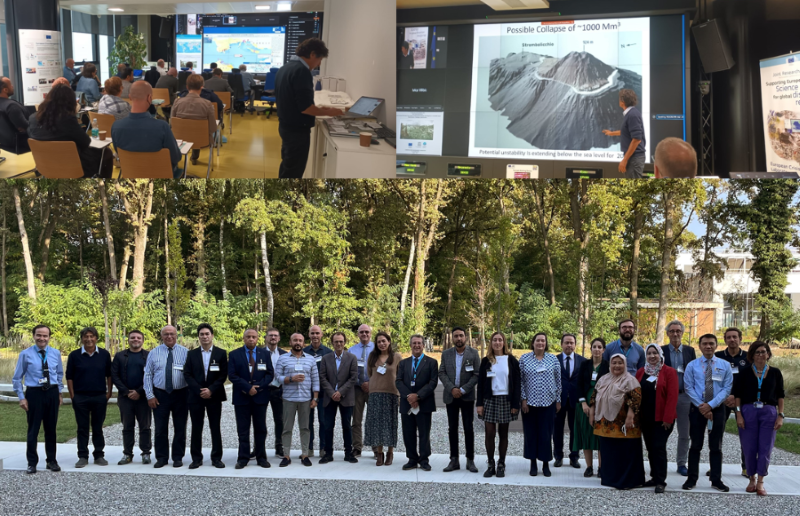
From top to bottom and left right: EC JRC Crisis room; Maurizio Ripepe, University of Florence, Italy, presenting on the Stromboli Volcano TEWS; group picture of the workshop in person participants. Photographs credit: EC JRC (Group photo) and UNESCO.
TSU/MAB Joint Initiative speaks at the 10th Meeting of the World Network of Island and Coastal Biosphere Reserves
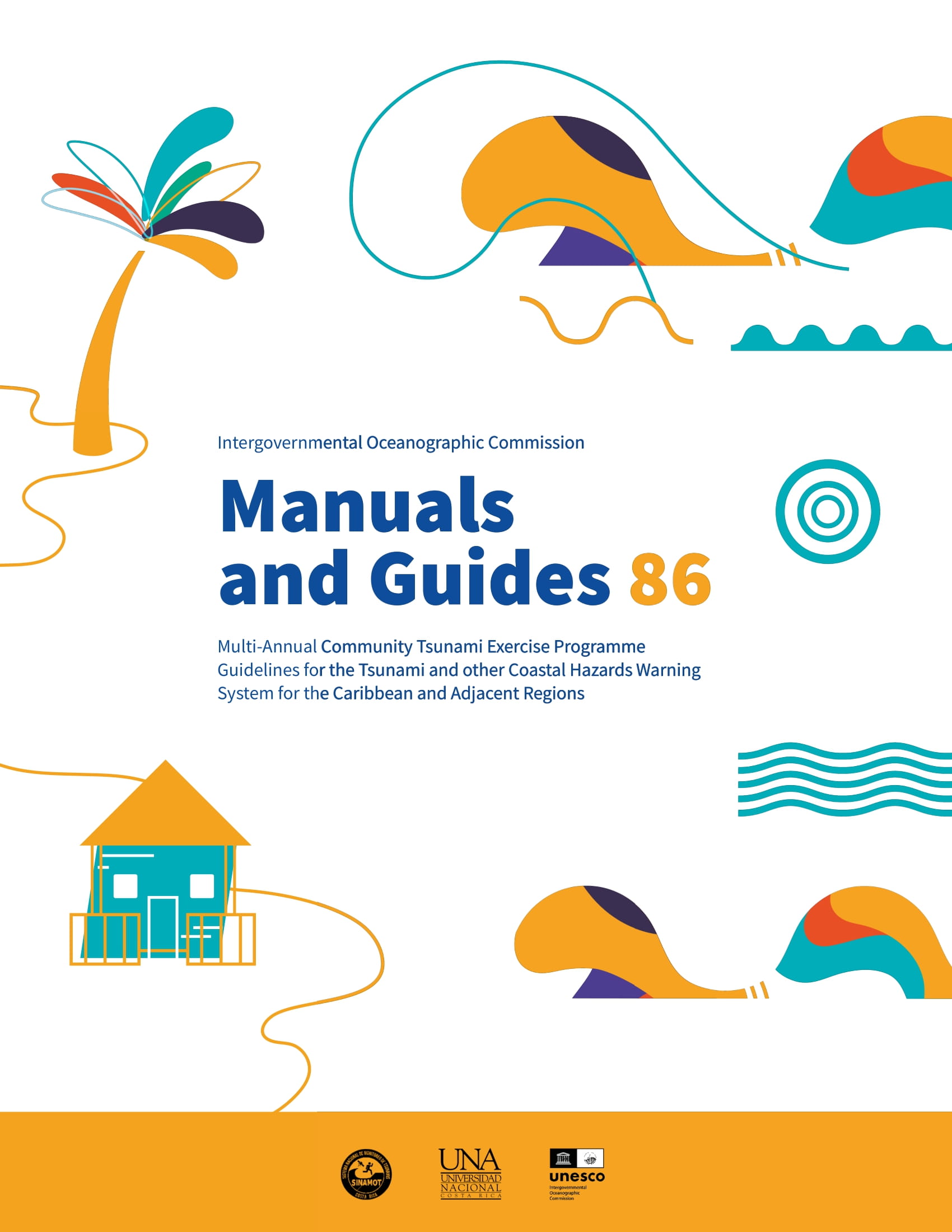
On Wednesday 19 October 2022, the Tsunami Unit (TSU) of IOC and UNESCO San Jose Office were invited to speak at the 10th Meeting of the World Network of Island and Coastal Biosphere Reserves (WNICBRs), held in the German Wadden Sea (17-20 October). The presentation focused on the ongoing TSU and UNESCO Man and Biosphere programme Joint Initiative on developing preparedness and resilience to coastal hazards in the Savegre Biosphere Reserve, Costa Rica.
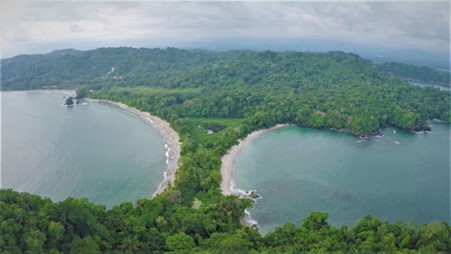
The TSU/MAB Joint Initiative was developed to address the vulnerability of populations in the Savegre Biosphere Reserve to coastal hazards, which are set to become more frequent and intense with climate change. While most coastal hazards cannot be prevented, risks and vulnerability can be reduced by building resilient communities and preparedness capacities. As such, the TSU and MAB established their project based on an integrated, multi-sectoral and multi-hazard approach to coastal hazard preparedness that engages with communities throughout implementation. [For additional information about TSU/MAB, please see the project website here.]
Celebrating Ten Years of Tsunami Early Warning Operations in North-eastern Atlantic, Mediterranean and Connected Seas
Experts met at CENALT (France CENtre d'Alerte aux Tsunami), CEA (Commissariat à L’énergie Atomique et Aux énergies Alternatives), France on 29-30 September to celebrate the ten-years operations of CENALT. NOA (Greece) and KOERI (Turkey) are also celebrating ten years of operation. Dr Stéphane Le Garrec, Head of the Department Analyse, Surveillance, Environment (DASE), CEA welcomed all participants and highlighted CENALT operations in CEA since 2012. Dr Hélène Hébert, CEA and Tsunami Warning Focal Point of France lead the organization of the scientific workshop.
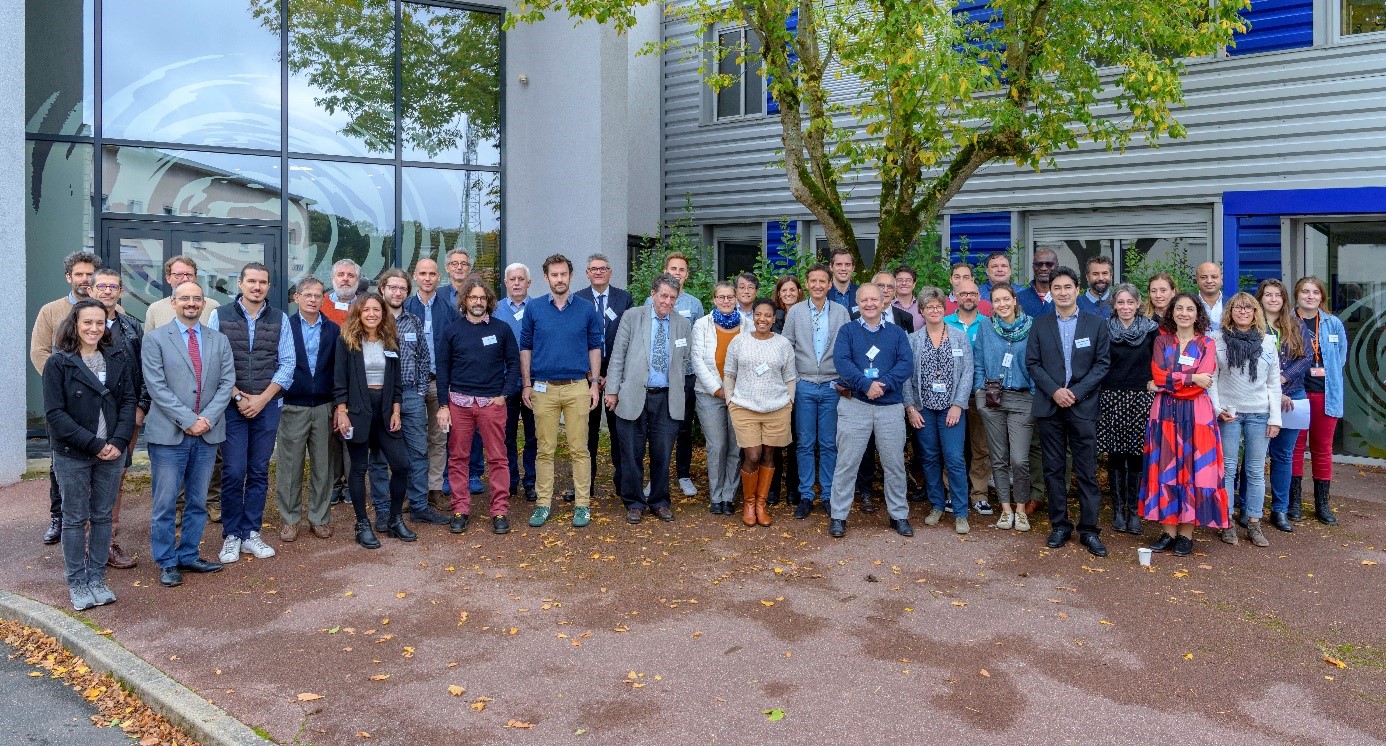
Credit; CENALT, CEA
SHOA conducts workshop for Southeast Pacific tsunami warning centres
The training workshop was developed with support from the Intergovernmental Oceanographic Commission of the United Nations Educational, Scientific and Cultural Organization (UNESCO/IOC) and the Flanders Marine Institute (VLIZ). It was held between 27 and 30 September 2022 at the offices of the Hydrographic and Oceanographic Service of the Chilean Navy (SHOA).
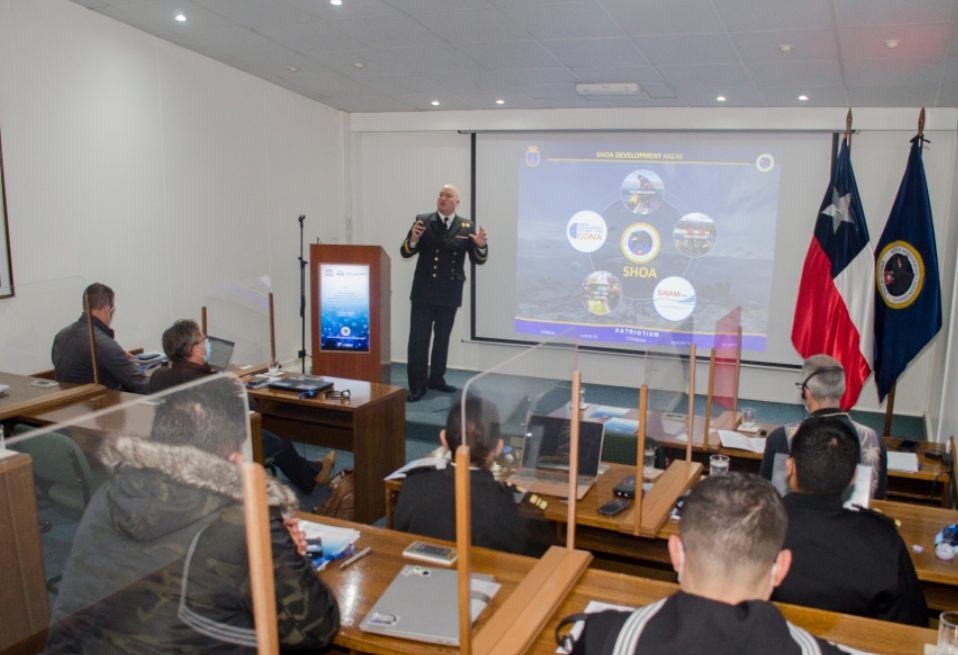
Following the 15 January 2022 Hunga-Tonga Hunga-Ha’apai volcanic eruption and tsunami, and within the framework of activities of the Regional Working Group on Tsunami Warning and Mitigation in the Southeast Pacific Region (WG-SEP), this workshop entitled "Shared Access to Sea Level Data: A Tool for Effective Regional Tsunami Emergency Response" was organized.
The workshop brought together representatives from the National Tsunami Warning Centers of Chile, Colombia, Ecuador, and Peru. Expert presentations were also made by the Pacific Tsunami Warning Center (PTWC), VLIZ, UNESCO/IOC and SHOA.
More Articles...
- Tsunami Ready: Three Villages on route to receiving UNESCO recognition in Java
- Living History: Survivors Speak Out about the 2000 Banggai Tsunami in Indonesia
- 2022 United Nations Ocean Conference Side Event: Coastal alert - tackling tsunami risks together: partnerships and solutions for a safe ocean resilient to tsunamis
- Third Multi-Hazard Early Warning Conference: Scaling Up action: Every Person on Earth Protected by Early Warning Systems within Five Years
About the Tsunami Programme
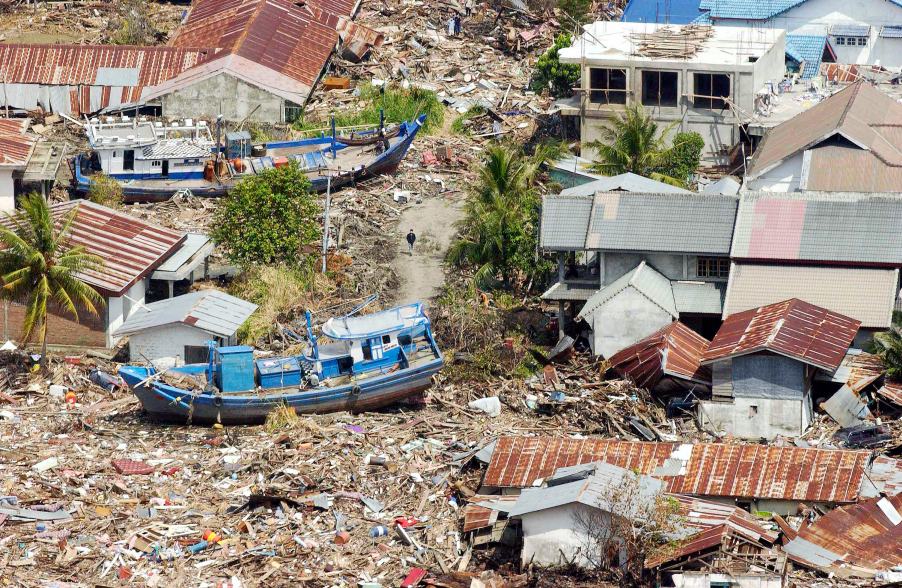
The Indonesian coast, between Banda Aceh and Meulaboh, after the earthquake and the tsunami of 26 December 2004. Photo by Evan Schneider © UN Photo
UNESCO supports Member States in improving capabilities for tsunami risk assessment, implementing early warning systems and enhancing preparedness of communities at risk. UNESCO works closely with national institutions and promotes inter-institutional and regional cooperation. Specialized regional centers provide tsunami information that, together with national analysis, is the basis of the warnings issued for the public. In addition, UNESCO promotes community-based approaches in the development of response plans and awareness campaigns which strongly involve education institutions and end-users.
Upcoming Events
7 August 2024
19 August 2024
19 - 30 August 2024
Chile