Sea Level Monitoring
TSU/MAB Coastal Hazards Project
Upcoming Tsunami Exercise for the North-eastern Atlantic and Mediterranean
Countries around the North-eastern Atlantic, Mediterranean, and Connected Seas (known as the NEAM region) are gearing up for a tsunami communication test and response exercise scheduled for 6 and 7 November 2023. This exercise coincides with World Tsunami Awareness Day, celebrated annually on 5 November.
Shutterstock
UNESCO Meeting in Tonga Unveils Progress in Tsunami Warning and Mitigation for the Pacific
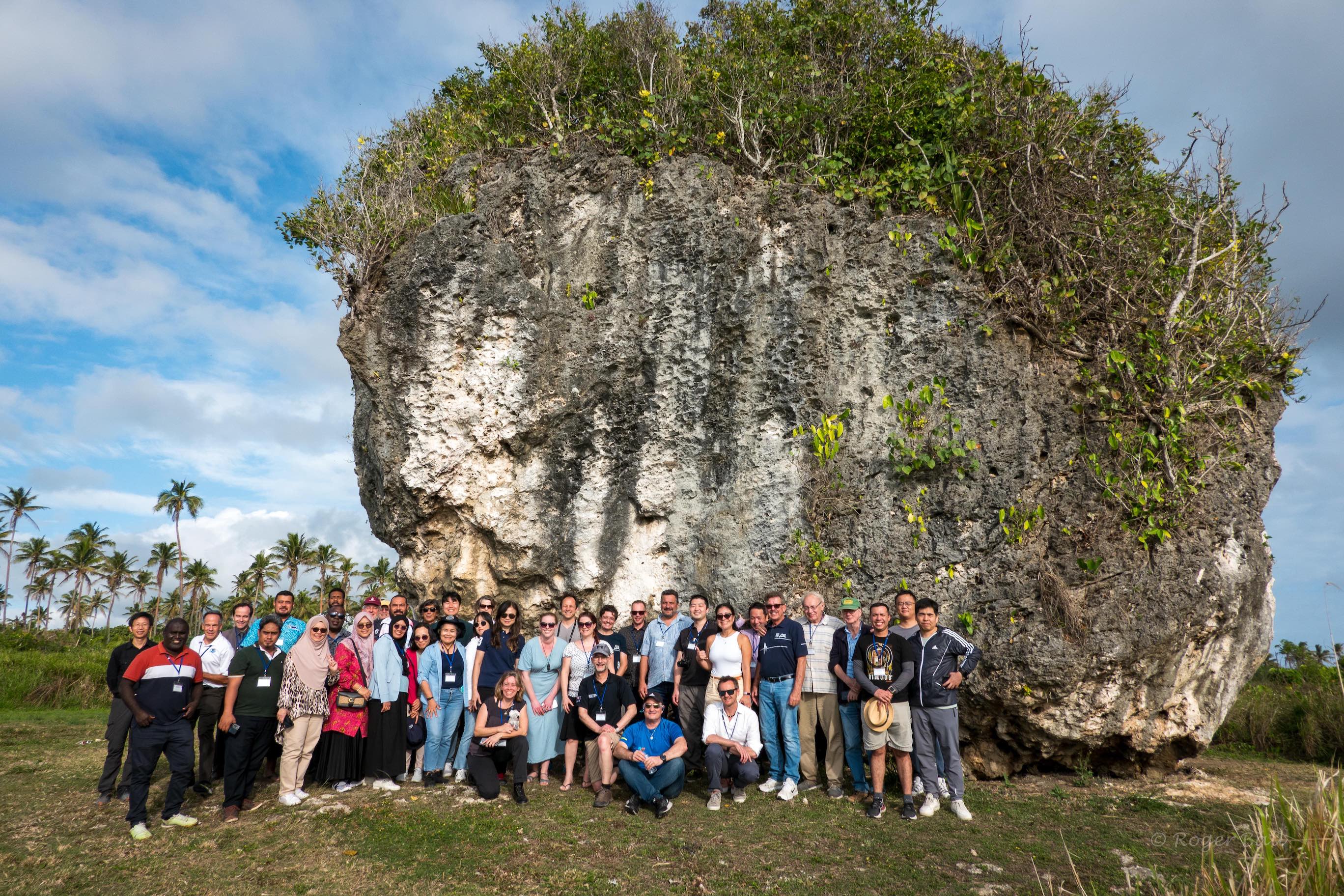
The 30th session of the Intergovernmental Coordination Group for the Pacific Tsunami Warning and Mitigation System (ICG/PTWS), an international expert group under the aegis of UNESCO, showcased significant strides in tsunami preparedness and disaster prevention for the Pacific region.
Key takeaways from the meeting include several initiatives and activities to enhance coastal communities' safety and resilience.
 Expanding Protection and Vigilance
Participants initiated efforts to strengthen the capabilities of the Steering Committee, aligning them with the goals of the United Nations Decade of Ocean Science for Sustainable Development 2021-2030 (the Ocean Decade). This move aims to fortify the protection of coastal communities, ensuring their readiness in the face of potential tsunamis.
Recognizing the growing and increasingly complex challenge of tsunami hazards, the group increased the number of Vice-Chair positions to three, signifying an understanding of the scale of the tasks ahead in improving monitoring and preparedness capabilities in the region.
Indian Ocean Member States Get Ready for IOWave23 Tsunami Preparedness Exercise
The UNESCO-led Intergovernmental Coordination Group for the Indian Ocean Tsunami Warning and Mitigation System (ICG/IOTWMS) is gearing up for its seventh ocean-wide tsunami readiness exercise, known as Indian Ocean Wave 2023 (IOWave23). Twenty-five countries are expected to take part in the three-week exercise, scheduled from 4-25 October 2023, with several countries involving their local communities.
Tsunamis, while infrequent, pose a significant threat in terms of both loss of life and destruction. To ensure readiness for these rare but high-impact events, regular tsunami simulation exercises are essential.
In a departure from previous exercises, conducted since 2009, the IOWave23 edition will simulate various scenarios, including a volcanic eruption in the Southern Ocean, resulting in a regional tsunami event. The simulation will also include seismic scenarios involving magnitude 9 earthquakes in the Andaman, Makran, and Java trenches. Governments can choose to participate in one or more of these scenarios.
The objectives of the IOWave23 Tsunami Exercise go beyond testing procedures and communication links; it aims to enhance tsunami preparedness at the community level. Governments will have the opportunity to assess their communities’ levels of preparedness using the IOC/UNESCO Tsunami Ready programme indicators, which cover tsunami assessment, preparedness, and response.
Malta Gathers Experts to Boost Tsunami Preparedness
Malta hosted a crucial national workshop on 11 July 2023, aimed at enhancing the country's tsunami preparedness and providing a platform for stakeholders to co-design ongoing efforts to bolster Malta’s readiness to potential tsunamis. The event, held at the Salini Resort in St. Paul's Bay, brought together government agencies, local authorities, and experts to discuss essential measures for tsunami response and safety.
The University of Malta spearheaded the organization as part of the CoastWAVE Project, a joint initiative of the Intergovernmental Oceanographic Commission of UNESCO (IOC/UNESCO) and the European Commission’s Directorate-General for European Civil Protection and Humanitarian Aid Operations (DG ECHO). The workshop kicked off with welcoming remarks from Prof Pauline Galea, the CoastWAVE Project coordinator, who highlighted the project's work towards making Malta "Tsunami Ready." Mr. Peter Paul Coleiro, Director General of the Civil Protection Department (CPD), spoke on behalf of the Minister for Home Affairs, Security, Reforms, and Equality.
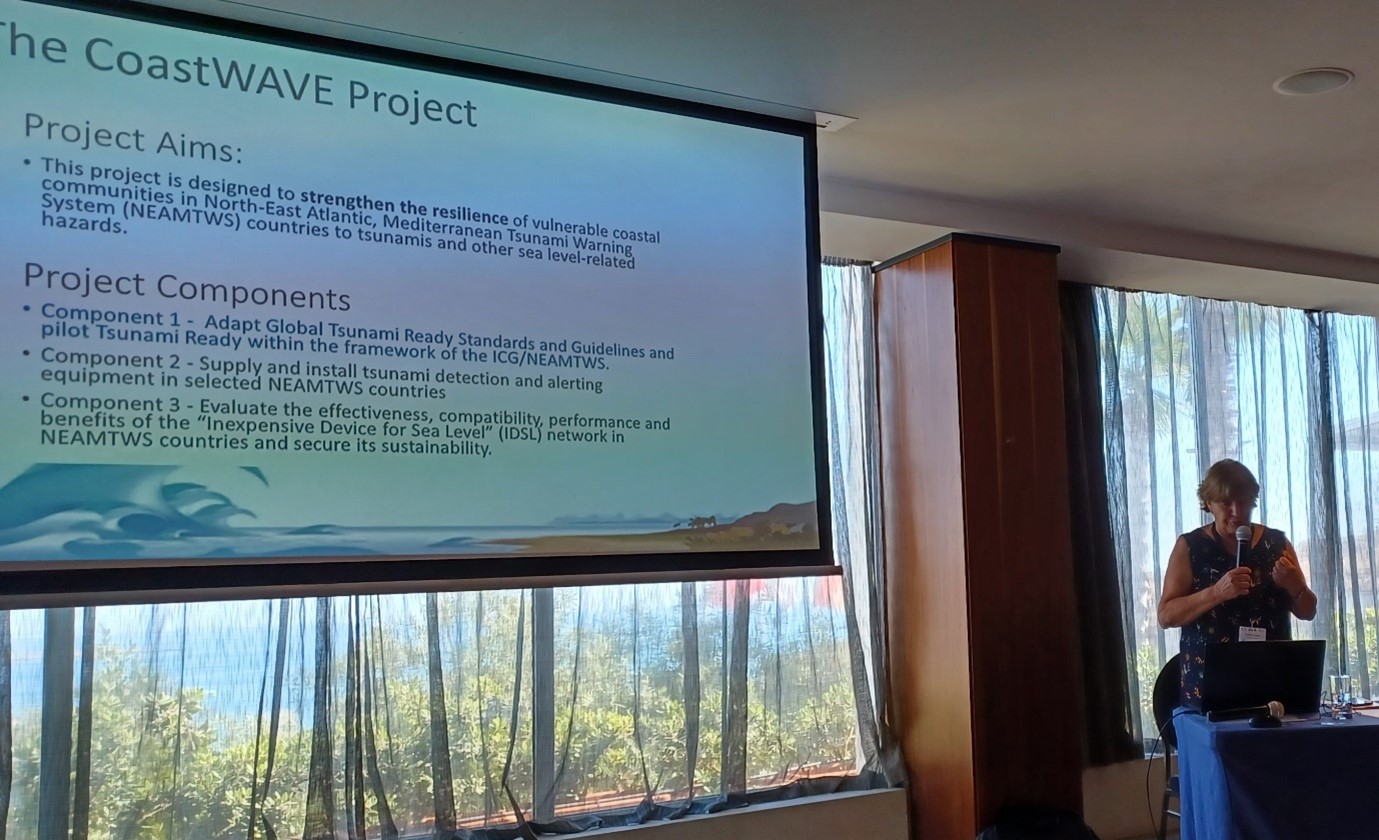
Project Coordinator Prof. Pauline Galea is presenting the CoastWAVE project
UNESCO and Partners Train Experts to Keep Pacific and Caribbean Safe from Tsunamis
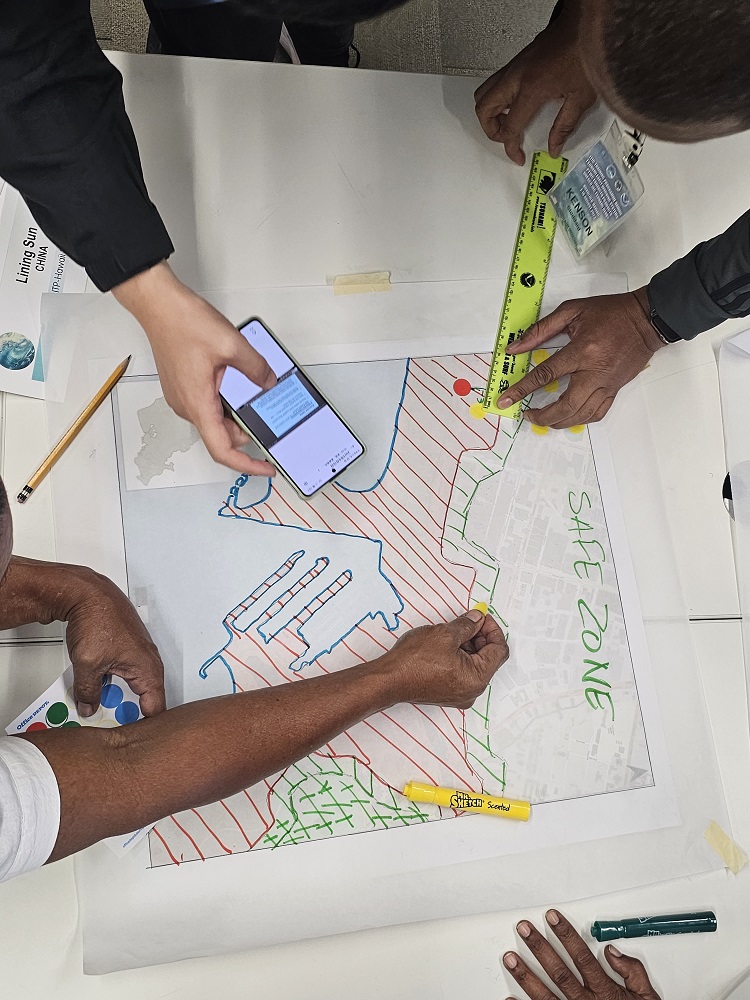
In August 2023, a special training program took place in Hawaii, focused on protecting countries in the Pacific and Caribbean regions from the threat of tsunamis. This training, known as the ITIC Training Programme on Tsunami Early Warning Systems (ITP-Hawaii), gathered participants from 26 different countries. The participants included experts from tsunami warning centers and emergency response agencies, including from 19 Pacific and five Caribbean Small Island Developing States.
Preserving the Story of the 1995 Tsunami in Dili, Timor-Leste
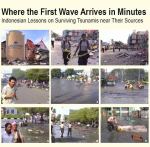
In collaboration with the Government of Indonesia, UNESCO has documented eyewitness accounts from the 1995 tsunami in Dili, Timor-Leste, adding to an already vast database of tsunami eyewitness accounts in the Indian Ocean.
On May 14, 1995, a magnitude 6.9 Mw earthquake occurred at 08:33 pm (11:33 UTC) in the Flores Sea, hitting Timor-Leste. Eleven people went missing and 19 were injured. A 1.5-meter tsunami caused considerable damage in the Dili area and Maliana region, destroying several homes, damaging 40 fishing boats, and leaving hundreds of cattle missing.
Timor-Leste is part of the Pacific Ring of Fire, an area with a high degree of tectonic activity with the constant risk of volcanic eruptions, earthquakes, floods, and tsunamis.
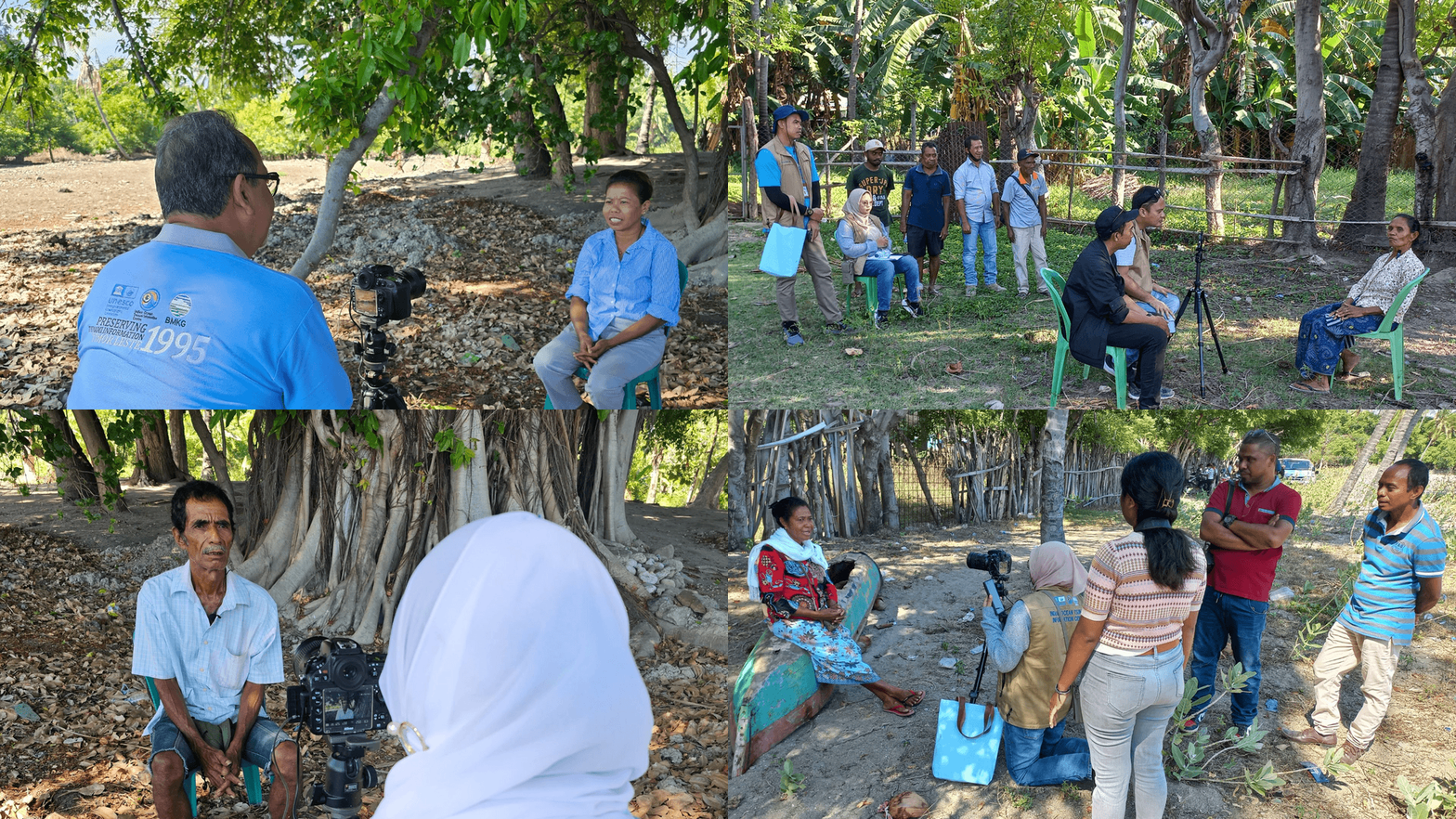
Photos: Interviews with eyewitness of the 1995 Dili Tsunami in Timor-Leste.
Tsunamis can be devastating for the coasts and their communities, often resulting in lasting and damaging effects on marine ecosystems and coastal landscape, causing long-term coastal erosion. On May 14, 1995, a magnitude 6.9 Mw earthquake occurred at 08:33 pm (11:33 UTC) in the Flores Sea. Eleven people were missing and 19 injured. A 1.5-meter tsunami caused considerable damage in the Dili area and Maliana region, destroying several homes, damaging 40 fishing boats, and hundreds of cattle missing.
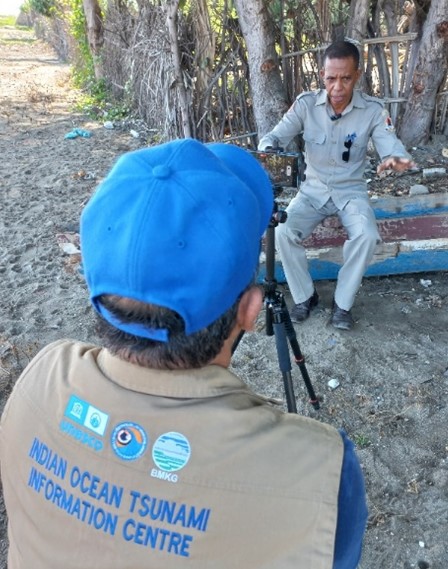
"We were praying when we felt the earth slightly shaking that night. I was 21 years old and lived next to the Marinir village where the tsunami happened. It was a fishermen's village with boats on the beach, several huts, and a lot of cattle. After the shaking stopped, we tried to go to the coast, as my brother, Avril Soares, was there. It was strange, as the sea water seemed to be closer than it used to be, however we could not see anything clearly. As the sun rose, we could not see anything on the beach, no boats, no cattle, no huts, we only saw the top of a coconut tree in the sea. Nine villagers died, including my brother," recounted Abel Maria Soares, eyewitness of the tragic event.
Photo: Abel Maria Soares, eyewitness of the 1995 Dili Tsunami in Timor-Leste.
Еще статьи...
- Three community consultation workshops held in Saint George, Grenada, to support ongoing Tsunami Ready project
- Empowering Coastal Children: Building Resilience and Awareness in French Schools
- Sixteenth Session of the ICG/CARIBE-XVI held in San Jose, Costa Rica
- CARIBE WAVE 2023 Exercise in the Caribbean and Adjacent Regions
Подкатегории
-
Latest News
- Кол-во материалов:
- 83
-
Newsletter
- Кол-во материалов:
- 5
-
On focus
- Кол-во материалов:
- 5
-
IOTWS News
- Кол-во материалов:
- 1