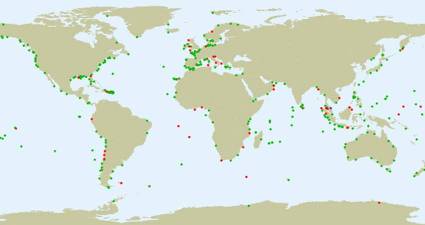
Sea Level Monitoring
TSU/MAB Coastal Hazards Project
ICG/IOTWS Working Group 3: Tsunami Awareness and Response
Terms-of-Reference
1. Promote good practice in capacity building for community resilience through preparedness and response activities.
2. Encourage mainstreaming of tsunami risk assessment, warning and mitigation systems into national development policy, plans, practice and legislation.
3. Encourage the integration of national tsunami programmes into the defined national platforms for disaster risk reduction and national disaster management.
4. Develop, enhance and encourage the adoption of tsunami-related guidelines, manuals and tools for downstream activities e.g. public information, education, training, communication processes, evacuation planning and drills, standard operating procedures and emergency management.
5. Assess national capacity and capability in tsunami awareness and response.
6. Liaise with other working groups within the ICG/IOTWS, and with working groups from the other ocean basins through TOWS WG, to coordinate tsunami awareness and response.
7. Under the direction of the Steering Group, carry out assessments of the IOTWS performance after each exercise and real tsunami event. Encourage and assist national assessments following real events.
The Group will be composed of members nominated by Member States, with inivted observes, with a chairperson and vice-chairperson to be elected.
El programa sobre tsunamis
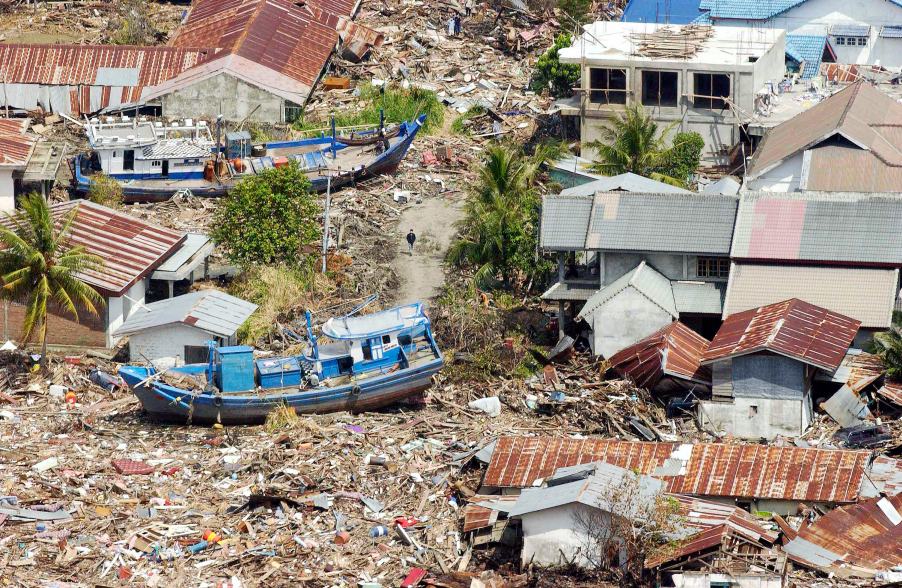
La costa de Indonesia, entre Banda Aceh y Meulaboh, tras el seísmo y tsunami del 26 de diciembre de 2004. Fotografía de Evan Schneider © Foto de Naciones Unidas
La UNESCO presta apoyo a los Estados Miembros con el fin de mejorar sus capacidades de evaluación de riesgos de tsunami, implantar sistemas de alerta temprana y mejorar la preparación de las comunidades amenazadas. La UNESCO colabora estrechamente con instituciones nacionales, y promueve la cooperación interinstitucional y regional. Los centros regionales especializados proporcionan información sobre los tsunamis que, conjuntamente con los análisis efectuados a nivel nacional, sirven para elaborar las alertas al público. Además, la UNESCO promueve metodologías comunitarias mediante el desarrollo de planes de respuesta y campañas de sensibilización, en las que participan en buena medida instituciones docentes y usuarios finales.
Upcoming Events
7 August 2024
19 August 2024
19 - 30 August 2024
Chile